
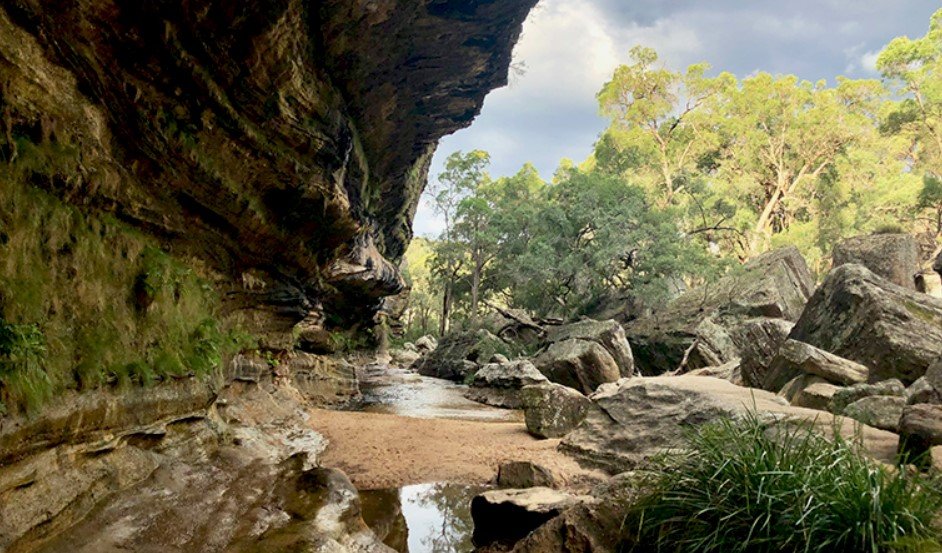
Goulburn Valley is a productive agricultural and river valley in northern Victoria, Australia. Centered on the Goulburn River and extending through towns such as Shepparton, Mooroopna, Seymour, and Nagambie, the region is known for irrigated farming, orchards, vineyards, wetlands, and a strong connection to the river system.
The valley combines fertile farmland with waterways, lakes, forests, and country towns. Its agricultural identity is particularly associated with fruit growing, dairy farming, food production, and irrigation, while its natural areas provide opportunities for walking, boating, fishing, cycling, and wildlife observation.
Goulburn Valley Quick Facts
| Fact | Details |
|---|---|
| Location | Northern and central Victoria |
| Country | Australia |
| Region | Goulburn Valley, Victoria |
| Main River | Goulburn River |
| Elevation | Generally low-lying, varying across the valley |
| Famous For | Agriculture, orchards, food production and waterways |
| Climate | Temperate, with hot summers and cool winters |
| Best Months | Generally March to May and September to November |
| Major City | Shepparton |
| Nearby Areas | Nagambie, Seymour, Echuca and Benalla |
Where Is Goulburn Valley?
Goulburn Valley is located in the state of Victoria in southeastern Australia. It follows the Goulburn River and covers a broad area rather than forming one narrowly defined valley. Shepparton and Mooroopna form the main urban center, while towns including Seymour and Nagambie are also closely connected with the region.
The valley lies inland from Melbourne and forms part of Victoria’s broader agricultural heartland. Its position along the Goulburn River has historically made water availability an important factor in settlement, farming, and regional development.
Geography and Landscape
The landscape is characterized by relatively flat or gently undulating terrain surrounding the Goulburn River and its tributaries. Extensive agricultural land occupies much of the valley, with orchards, vineyards, dairy properties, cropland, and grazing areas forming an important part of the scenery.
Water is a defining physical feature. The Goulburn River flows through the region, while irrigation channels, wetlands, lakes, and reservoirs support both agriculture and natural habitats. Around Nagambie, Lake Nagambie adds a major recreational water landscape.
Vegetation varies between cultivated farmland, river red gum forests, wetlands, grasslands, and patches of native woodland. The combination of fertile soils and access to irrigation has helped make the valley one of Victoria’s significant food-producing areas.
History of Goulburn Valley
The Goulburn Valley has a long Indigenous history, with Traditional Owners maintaining cultural and spiritual connections to the land and waterways for thousands of years. The Yorta Yorta people have strong connections to the Goulburn and Murray river systems, while other Traditional Owner groups are associated with different parts of the wider region.
European settlement expanded during the nineteenth century as pastoralism, agriculture, and river-based development grew. Towns and transport routes developed around the river and surrounding farming districts, gradually creating the regional network that exists today.
Irrigation transformed the valley’s agricultural economy from the late nineteenth century onward. Water infrastructure made it possible to establish more intensive farming, particularly fruit production and dairy agriculture. Shepparton subsequently developed into an important regional center for agriculture, food processing, manufacturing, and services.
How Was Goulburn Valley Formed?
The physical valley developed through the long-term interaction of the Goulburn River with the surrounding landscape. River erosion and the accumulation of sediments helped create broad areas of relatively fertile land along the river system.
Later changes in the river’s course and sediment deposition contributed to the floodplains and alluvial soils that are important to agriculture today. Modern irrigation has further changed how water moves through parts of the agricultural landscape, but the underlying valley remains closely shaped by the Goulburn River system.
Goulburn Valley Weather Throughout the Year
Goulburn Valley has a temperate inland climate with hot, relatively dry summers and cool winters. Conditions vary across the broad region, but the seasonal pattern is consistent enough to influence farming, outdoor recreation, and tourism.
January to March
Summer brings the hottest conditions, with daytime temperatures frequently reaching the high 20s or low 30s Celsius and occasional periods of considerably higher heat. March is generally more comfortable as temperatures begin to moderate.
April to June
Autumn is typically mild during the day and cooler at night. April and May are often comfortable for outdoor activities, while June brings shorter days and colder winter conditions. Rainfall can occur throughout the period, although the region remains relatively dry compared with Australia’s wetter coastal areas.
July to September
Winter is cool, with cold nights and occasional frost, particularly away from built-up areas. Daytime temperatures generally remain moderate. By September, spring begins to bring warmer days and renewed growth across farmland and natural vegetation.
October to December
Spring gradually becomes warmer, with pleasant conditions during much of October and November. December marks the beginning of hotter summer weather, and dry conditions can become more pronounced toward the end of the year.
Best Weather for Visiting Goulburn Valley
Autumn and spring are generally among the most comfortable periods to explore the region. March to May offers mild temperatures and autumn landscapes, while September to November provides pleasant weather for outdoor activities before the strongest summer heat arrives.
Things to Do in Goulburn Valley
- Explore regional cycling routes: Quiet country roads and dedicated trails provide opportunities to discover towns, farmland, rivers, and natural areas by bicycle.
- Enjoy boating and water activities: Lakes and rivers around the valley support boating, kayaking, canoeing, and other recreational activities where permitted.
- Go fishing: The Goulburn River and regional waterways are popular locations for recreational fishing.
- Visit wineries and vineyards: The Nagambie area is known for vineyards and cellar-door experiences.
- Explore local food: Fruit, dairy products, wine, and other agricultural goods form an important part of the region’s food culture.
- Walk through wetlands and reserves: Nature reserves and river environments offer opportunities for walking, birdwatching, and photography.
- Discover regional towns: Shepparton, Mooroopna, Nagambie, Seymour, and surrounding communities each offer their own local attractions and character.
Famous Attractions in and Around Goulburn Valley
Goulburn River
The river is the defining natural feature of the region and supports agriculture, recreation, wetlands, and riverine ecosystems.
Lake Nagambie
Lake Nagambie is a major recreational waterway surrounded by vineyards, farmland, and the town of Nagambie. It is particularly associated with boating and water-based recreation.
Shepparton Art Museum
Located in Shepparton, the museum features Australian art and exhibitions and serves as an important cultural institution for the region.
Victoria Park Lake
This lake and parkland area in Shepparton provides walking paths, open spaces, gardens, and recreational facilities close to the city center.
Cactus Country
Near Strathmerton, Cactus Country is a distinctive botanical attraction featuring extensive cactus and succulent gardens arranged across themed landscapes.
Nagambie Vineyards
The vineyards around Nagambie form an important part of the local landscape and regional wine industry, with several wineries offering tastings and cellar-door experiences.
Mooroopna
Mooroopna sits directly across the Goulburn River from Shepparton and forms an important part of the region’s urban and agricultural community.
Wildlife and Nature
The Goulburn Valley’s river corridors, wetlands, forests, and grasslands provide habitat for a variety of Australian wildlife. River red gums are particularly characteristic of waterways and floodplain environments, where their roots and surrounding vegetation benefit from periodic access to water.
Birdlife is abundant around rivers and wetlands, with waterbirds, parrots, honeyeaters, and other native species occurring across the region. Kangaroos and wallabies can also be found in suitable rural and natural areas, while reptiles, frogs, fish, and smaller mammals contribute to the valley’s biodiversity.
Wetlands and river habitats are especially important because they provide breeding, feeding, and shelter areas for wildlife. Conservation programs across the Goulburn River system focus on maintaining river health, native vegetation, and habitat connectivity.
How to Reach Goulburn Valley
The valley is primarily accessed by road from Melbourne and other parts of Victoria. The Hume Freeway provides an important route toward northern Victoria, while major regional roads connect Shepparton, Seymour, Nagambie, and surrounding communities.
Shepparton is approximately two hours from Melbourne by road under normal conditions. The town is also served by regional rail and bus services, providing alternatives to driving. Train services connect the region with Melbourne, while local and regional bus networks serve surrounding communities.
Where to Stay Near Goulburn Valley
Accommodation is available across the region, with Shepparton providing the largest selection of hotels, motels, apartments, and other visitor accommodation. Nagambie offers hotels, resorts, holiday properties, and options connected with the area’s wineries and lake.
Smaller towns and rural districts also provide motels, guesthouses, farm stays, cabins, and holiday parks. Campgrounds and caravan parks are available in several parts of the wider valley, particularly around waterways and regional recreation areas.
Why Is Goulburn Valley Famous?
Goulburn Valley is best known for its fertile agricultural landscape, extensive irrigation system, fruit orchards, dairy farming, food-processing industry, and connection with the Goulburn River. Its combination of productive farmland, waterways, wineries, regional towns, and natural habitats gives the area a distinctive identity within Victoria.
Goulburn Valley FAQs
Where is Goulburn Valley located?
Goulburn Valley is in northern and central Victoria, Australia, following the Goulburn River and surrounding agricultural districts. Shepparton is its main regional center.
What is Goulburn Valley famous for?
The region is particularly known for agriculture, fruit growing, dairy farming, irrigation, food production, vineyards, and the Goulburn River.
What is the weather like in Goulburn Valley?
The area has hot summers and cool winters, with generally moderate rainfall and significant seasonal temperature differences.
What are the best months to visit Goulburn Valley?
Autumn and spring are generally comfortable periods, particularly March to May and September to November, when temperatures are suitable for many outdoor activities.
What can you do in Goulburn Valley?
Visitors can enjoy cycling, fishing, boating, wine tasting, local food experiences, nature walks, wildlife observation, and exploring regional towns.
How do you reach Goulburn Valley?
Most visitors travel by car, with major highways and regional roads connecting the valley to Melbourne and other Victorian destinations. Regional train and bus services also connect Shepparton and surrounding towns.
Does Goulburn Valley get snow?
Snow is not a normal feature of the valley’s low-lying areas. Winters are generally cool and can produce frost, while significant snowfall is associated with higher mountain areas farther from the valley.
What attractions are near Goulburn Valley?
Notable attractions include Lake Nagambie, Goulburn River landscapes, Shepparton Art Museum, Victoria Park Lake, Cactus Country, and the vineyards around Nagambie.
Final Thoughts
Goulburn Valley offers a distinctive combination of river landscapes, productive farmland, regional communities, vineyards, wetlands, and Australian wildlife. Its agricultural importance and connection to the Goulburn River make it an interesting destination for travelers who want to experience a different side of Victoria beyond its major cities and mountain regions.
For More Visit Stay And Update
