
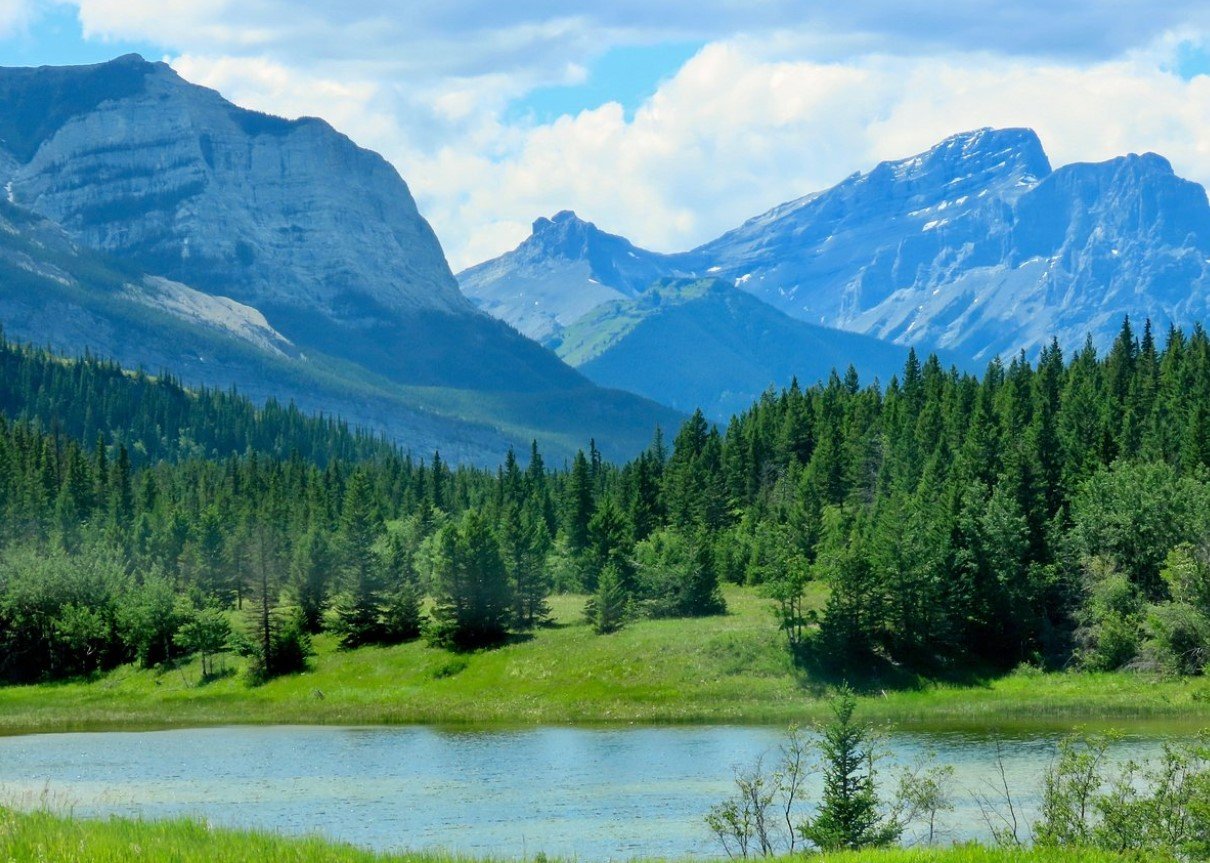
Bow Valley is a major mountain valley in Alberta, Canada, stretching through the Canadian Rockies along the Bow River. It is known for dramatic mountain scenery, glacial landscapes, forests, clear rivers, and access to some of the most visited destinations in the Rockies. The valley connects communities and protected landscapes, including the popular mountain towns of Banff and Canmore.
The valley is more than a scenic corridor. Its geography has shaped transportation, settlement, recreation, wildlife movement, and tourism across the region. Today, visitors come for hiking, cycling, sightseeing, skiing, wildlife viewing, and the opportunity to explore the surrounding Rocky Mountain environment.
Bow Valley Quick Facts
| Fact | Details |
|---|---|
| Location | Alberta, Canadian Rockies |
| Country | Canada |
| Region | Southern Canadian Rockies |
| Main River | Bow River |
| Elevation | Varies considerably along the valley |
| Famous For | Rocky Mountain scenery, Banff and Canmore, lakes and outdoor recreation |
| Climate | Mountain climate with cold winters and mild summers |
| Best Months | June to September for general outdoor activities |
| Nearby Towns | Banff, Canmore, Cochrane |
Where Is Bow Valley?
Bow Valley is located in southwestern Alberta within the Canadian Rockies. It follows the Bow River from the higher Rocky Mountain region eastward toward the foothills and plains.
The best-known communities in the valley are Banff and Canmore. The valley also includes areas associated with Banff National Park and Bow Valley Provincial Park. Calgary lies east of the Rocky Mountain foothills and is the nearest major city, making the valley relatively accessible for visitors arriving by air.
Geography and Landscape
The Bow Valley is shaped by the Bow River and the surrounding ranges of the Canadian Rockies. Steep limestone and sedimentary mountain walls rise on both sides of the valley, creating a distinctive alpine landscape.
Glaciers have played a major role in shaping the region. The upper Bow Valley contains glacial features, mountain lakes, forests, and broad valleys formed through long-term erosion. Bow Lake, one of the river’s principal headwaters, sits beneath major peaks and glaciers along the Icefields Parkway.
The valley floor contains forests, wetlands, rivers, and developed areas, while higher elevations transition into subalpine and alpine environments. This variation in elevation supports diverse landscapes within a relatively compact region.
History of Bow Valley
The Bow Valley has a long Indigenous history. The area is part of the traditional territories of several First Nations, including the Stoney Nakoda, Îyârhe Nakoda, Tsuut’ina, Kainai, and other peoples whose historical connections extend across the southern Canadian Rockies.
European exploration and settlement increased during the nineteenth century. The arrival of the Canadian Pacific Railway in the 1880s was particularly important because it made the Rocky Mountains more accessible and helped establish tourism as an important part of the region’s economy.
Banff developed as Canada’s first national park destination after the establishment of Banff National Park in 1885. Canmore later became closely associated with coal mining, which operated for much of the late nineteenth and twentieth centuries before the mines closed. Tourism, recreation, and service industries subsequently became central to the valley’s economy.
How Was Bow Valley Formed?
The Bow Valley was shaped by the interaction of tectonic forces, erosion, rivers, and glaciers. The Canadian Rockies themselves formed as layers of sedimentary rock were pushed and folded during mountain-building processes.
During successive ice ages, glaciers moved through the region and dramatically modified existing valleys. Glacial erosion widened and deepened the Bow Valley, leaving characteristic U-shaped sections and helping create many of the lakes and landforms found throughout the Rockies.
Bow Valley Weather Throughout the Year
Bow Valley weather varies with elevation and location, but the region has cold winters, mild summers, and significant snowfall in the mountains. Chinook winds can occasionally produce rapid winter temperature changes, particularly in the lower valley.
January to March
Winter conditions dominate, with freezing temperatures, snow, and icy conditions common throughout the valley. January and February are generally among the coldest months. March begins the gradual transition toward spring, although snow remains widespread.
April to June
Spring brings warmer temperatures, melting snow, and longer daylight hours. April can still feel wintry, while May and June become increasingly mild. Higher elevations generally remain colder and retain snow longer than the valley floor.
July to September
Summer is generally the warmest period, with comfortable daytime temperatures in the valley and cooler conditions at higher elevations. July and August are popular for hiking, sightseeing, cycling, and other outdoor activities. September usually brings cooler mornings and the beginning of autumn colors.
October to December
Autumn starts with cool temperatures and changing foliage before winter returns. October can bring the first significant snow at higher elevations, while November and December are increasingly wintry, particularly in the mountains.
Best Weather for Visiting Bow Valley
June through September generally offers the most favorable conditions for hiking, sightseeing, cycling, and other warm-season activities. Visitors interested in skiing and snow-based recreation will generally prefer the winter months.
Things to Do in Bow Valley
- Hiking: Trails throughout the valley lead to viewpoints, lakes, forests, and mountain terrain.
- Cycling: Roads and dedicated cycling routes provide opportunities to explore the valley on two wheels.
- Wildlife watching: The surrounding protected areas provide opportunities to observe Rocky Mountain wildlife.
- Canoeing and kayaking: Selected lakes and waterways offer paddling opportunities when conditions permit.
- Skiing and snowboarding: Nearby mountain resorts provide winter sports during the snow season.
- Photography: Mountain peaks, rivers, lakes, forests, and changing light make the valley a popular photography destination.
- Scenic driving: Routes through the valley and surrounding mountains provide access to viewpoints and natural attractions.
Famous Attractions in and Around Bow Valley
Banff
Banff is the best-known community in the valley and serves as a major base for exploring Banff National Park and the surrounding mountains.
Canmore
Canmore is a mountain town at the eastern end of the valley, known for its access to hiking, climbing, cycling, and other outdoor recreation.
Bow Lake
Located along the Icefields Parkway, Bow Lake is a striking glacial lake surrounded by high mountain peaks and glaciers.
Lake Louise
Lake Louise is one of the Canadian Rockies’ most recognizable mountain lakes and an important destination near the upper Bow Valley region.
Moraine Lake
Moraine Lake lies in the Valley of the Ten Peaks and is known for its dramatic mountain setting and distinctive blue-green water.
Johnston Canyon
Johnston Canyon contains a series of waterfalls and limestone canyon formations connected by walking trails.
Vermilion Lakes
Located near Banff, Vermilion Lakes provide broad views toward surrounding peaks and are particularly popular for photography.
Cave and Basin
The Cave and Basin National Historic Site near Banff marks the location associated with the origins of Canada’s national park system.
Wildlife and Nature
Bow Valley supports a diverse Rocky Mountain ecosystem ranging from river corridors and forests to subalpine and alpine habitats. The valley and surrounding protected areas provide important habitat for species adapted to mountainous terrain.
Wildlife found in the broader region includes elk, mule deer, white-tailed deer, bighorn sheep, mountain goats, black bears, grizzly bears, wolves, coyotes, and numerous bird species. The Bow River and associated wetlands also contribute to the valley’s ecological diversity.
Protected landscapes, including Banff National Park and Bow Valley Provincial Park, play an important role in conserving habitats and maintaining wildlife movement through the Rocky Mountains.
How to Reach Bow Valley
The Bow Valley is primarily accessed by road. The Trans-Canada Highway connects Calgary with Canmore and Banff, making the valley straightforward to reach from Alberta’s largest city. The Icefields Parkway provides access toward the upper Bow Valley and the broader Canadian Rockies.
Calgary International Airport is the nearest major airport. Visitors can continue by rental car, shuttle, tour bus, or other regional transportation services. VIA Rail also serves the region through long-distance Canadian train services, although rail access does not provide the same direct flexibility as driving.
Mountain roads can experience snow, ice, closures, and other weather-related restrictions during winter. Conditions should be checked before traveling.
Where to Stay Near Bow Valley
Banff and Canmore provide the largest selection of accommodation in and around the valley. Options include hotels, lodges, resorts, vacation rentals, hostels, and other visitor accommodations.
Camping is also available in designated areas, particularly within surrounding protected lands. Travelers looking for quieter accommodation can consider communities farther east, while visitors planning to explore the upper valley may prefer staying closer to Banff.
Why Is Bow Valley Famous?
Bow Valley is famous for its spectacular Canadian Rocky Mountain setting, the Bow River, glacial lakes, wildlife, and easy access to destinations such as Banff and Canmore. Its combination of protected wilderness, mountain communities, and year-round recreation makes it one of Alberta’s most important mountain corridors.
Bow Valley FAQs
Where is Bow Valley located?
Bow Valley is in southwestern Alberta, Canada, within the Canadian Rockies. It follows the Bow River from the mountains toward the Alberta foothills.
What is Bow Valley famous for?
It is known for Rocky Mountain scenery, the Bow River, Banff and Canmore, glacial lakes, wildlife, and outdoor recreation.
What is the weather like in Bow Valley?
The valley has cold, snowy winters and generally mild summers. Weather becomes colder and more changeable with increasing elevation.
What are the best months to visit Bow Valley?
June through September are generally the best months for warm-weather activities such as hiking and sightseeing. Winter is preferable for skiing and other snow sports.
What can you do in Bow Valley?
Visitors can hike, cycle, photograph landscapes, watch wildlife, paddle on suitable waterways, ski, and explore mountain communities and attractions.
How do you reach Bow Valley?
The Trans-Canada Highway provides the main road connection from Calgary through Canmore and Banff. Calgary International Airport is the nearest major airport.
Does Bow Valley get snow?
Yes. Snow is common during winter, particularly at higher elevations, and mountain areas can retain snow well into spring.
What attractions are near Bow Valley?
Major attractions include Banff, Canmore, Bow Lake, Lake Louise, Moraine Lake, Johnston Canyon, Vermilion Lakes, and Cave and Basin.
Final Thoughts
Bow Valley brings together dramatic mountain scenery, glacial landscapes, flowing rivers, protected ecosystems, and communities with deep connections to the Canadian Rockies. Its combination of natural attractions and accessible recreation makes it an important destination for travelers exploring Alberta’s mountain region.
For More Visit Stay And Update
