
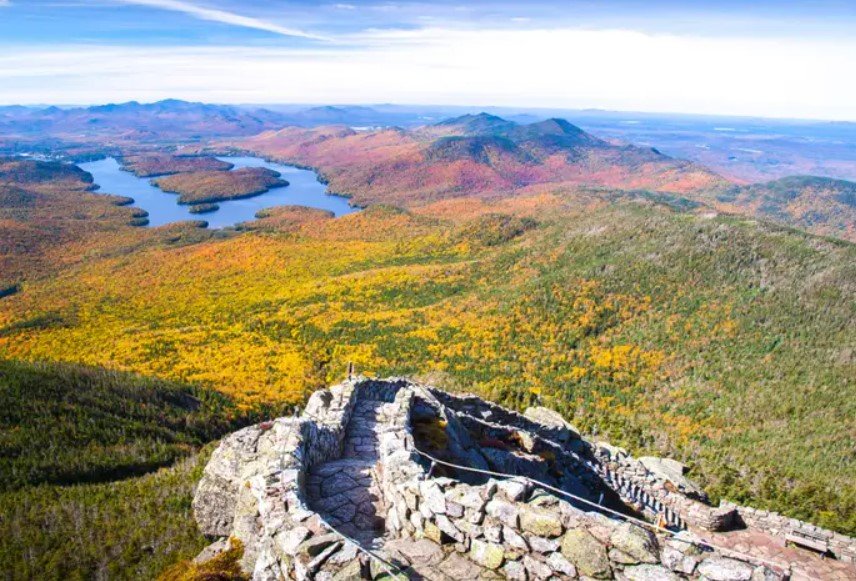
Hudson Valley is a historic and scenic region of New York State centered on the Hudson River. Stretching roughly 150 miles through eastern New York, the valley combines river landscapes, wooded mountains, farmland, historic towns, cultural institutions, and preserved estates. Its setting has played an important role in the development of New York and the wider United States.
The region is equally known for its natural scenery and cultural heritage. Visitors can explore riverfront communities, hiking trails, historic properties, art museums, gardens, farms, and outdoor attractions. The Hudson Valley is also designated as a National Heritage Area, reflecting its importance in American history, landscape, art, and conservation.
| Fact | Details |
|---|---|
| Location | Eastern New York State, along the Hudson River |
| Country | United States |
| Region | New York State |
| Length | Approximately 150 miles |
| Main River | Hudson River |
| Famous For | Scenic landscapes, history, estates, art and outdoor recreation |
| Climate | Humid continental, with four distinct seasons |
| Best Months | Generally May to October |
| Nearby Major City | New York City |
| Major Communities | Albany, Poughkeepsie, Kingston, Newburgh, Beacon and Hudson |
Where Is Hudson Valley?
Hudson Valley is located in eastern New York along both sides of the Hudson River. The region extends from the area around Albany and Rensselaer County in the north toward the lower Hudson near Westchester and Rockland counties. The recognized Hudson River Valley National Heritage Area encompasses ten counties, including Albany, Rensselaer, Columbia, Greene, Dutchess, Ulster, Orange, Putnam, Rockland, and Westchester.
Its proximity to New York City makes the valley an accessible destination for travelers from the metropolitan area, while communities such as Poughkeepsie, Kingston, Beacon, Newburgh, Hudson, and Albany serve as important regional centers.
Geography and Landscape
The Hudson Valley follows the course of the Hudson River through a varied landscape of river flats, rolling farmland, wooded hills, cliffs, and mountain ranges. The Catskills rise west of the central valley, while the Hudson Highlands create a more rugged landscape farther south.
The Hudson River is the defining physical feature. In its lower reaches, it is a tidal estuary rather than an ordinary freshwater river, with water levels influenced by ocean tides. This distinctive river system helped shape settlement, transportation, agriculture, and commerce throughout the region.
The valley’s scenery changes considerably from north to south. Rural farms and broad river landscapes dominate parts of the upper valley, while the central and lower sections include steep hills, forested mountains, historic river towns, and dramatic Hudson Highlands.
History of Hudson Valley
The Hudson Valley has a long Indigenous history. Before European settlement, Indigenous communities lived along the river and relied on its waters and surrounding lands for food, transportation, and trade. The river was known as Mahicantuck, a name associated with its tidal movement. The National Park Service notes that more than 17,000 Indigenous people are believed to have lived along the river when European exploration began.
European exploration began with Henry Hudson’s 1609 voyage, after which Dutch settlement expanded along the river. English control followed, and the valley became an important transportation and commercial corridor. Its location also made it strategically important during the American Revolutionary War, when control of the Hudson River was a major military objective.
During the nineteenth century, the valley became closely associated with American landscape painting. Artists of the Hudson River School drew inspiration from its mountains, forests, river views, and changing light. Wealthy families later established large estates along the river, many of which remain important historic and cultural sites today.
Industrial development brought economic growth but also environmental problems. These pressures eventually contributed to a stronger conservation movement, helping shape modern efforts to protect the Hudson River and surrounding landscapes.
How Was Hudson Valley Formed?
The Hudson Valley’s landscape developed through a combination of geological uplift, erosion, river processes, and glacial activity. During the Ice Age, glaciers moved through parts of the region, modifying existing valleys and leaving behind deposits and distinctive landforms.
The Hudson River subsequently continued shaping the landscape through erosion and sediment movement. Its tidal lower section also reflects the valley’s connection to the Atlantic Ocean, giving the river an unusual character compared with many inland waterways.
Hudson Valley Weather Throughout the Year
Hudson Valley weather varies considerably by season. Winters are cold, summers are generally warm and humid, and spring and autumn bring more moderate conditions. Temperatures also vary between northern, southern, lowland, and mountainous areas.
January to March
Winter is generally cold, with daytime temperatures often near or below 40°F in many parts of the valley. Snowfall is possible, especially farther north and at higher elevations. March begins the transition toward milder spring conditions.
April to June
Spring brings rising temperatures, budding forests, and greener landscapes. April can still be cool, while May and June are generally more comfortable for outdoor activities. Rain occurs throughout the season, helping support the region’s vegetation and agriculture.
July to September
Summer is typically warm and humid. July and August are the warmest months, with daytime temperatures commonly reaching the 80s°F in many lower-elevation communities. September gradually becomes cooler and often provides pleasant conditions for hiking and sightseeing.
October to December
Autumn is one of the region’s most distinctive seasons, with foliage adding strong color to the valley’s forests and hills. Temperatures decline during November, while December brings more consistently winter-like conditions and increasing chances of snow.
Best Weather for Visiting Hudson Valley
May through October generally offers the broadest range of comfortable outdoor conditions. Autumn is particularly popular for visitors interested in foliage, while late spring and summer are well suited to hiking, river activities, gardens, and sightseeing.
Things to Do in Hudson Valley
Hiking and Outdoor Recreation
The region offers trails through forests, mountains, river landscapes, and protected parks, with options ranging from short walks to demanding hikes.
Explore Historic Sites
Historic homes, estates, Revolutionary War locations, and preserved communities provide opportunities to learn about the valley’s past.
Visit Farms and Markets
Agriculture remains an important part of the region’s identity. Visitors can explore farm stands, farmers markets, orchards, vineyards, and farm-to-table destinations.
Enjoy Arts and Culture
Museums, galleries, sculpture parks, historic homes, and performance venues reflect the valley’s long connection with American art and culture.
Cycle and Walk River Trails
Multi-use trails provide opportunities for cycling and walking, including the Walkway Over the Hudson, a converted historic railroad bridge crossing the river near Poughkeepsie.
Explore Local Food and Craft Beverages
The Hudson Valley has a strong culinary scene featuring restaurants, wineries, breweries, cideries, and locally produced food.
Famous Attractions in and Around Hudson Valley
Walkway Over the Hudson
This former railroad bridge has been transformed into an elevated pedestrian and cycling route offering broad views of the Hudson River and surrounding landscape.
Franklin D. Roosevelt Home
The home and presidential library associated with Franklin D. Roosevelt in Hyde Park provide insight into his life, presidency, and family history.
Vanderbilt Mansion
The Vanderbilt estate in Hyde Park preserves a Gilded Age mansion and landscaped grounds overlooking the Hudson River.
Storm King Art Center
Located near the Hudson Highlands, Storm King is an expansive outdoor sculpture center where large-scale contemporary artworks are displayed across a landscaped setting.
Dia Beacon
Dia Beacon occupies a former factory building and houses a major collection of contemporary art, particularly works from the 1960s and 1970s.
Bear Mountain State Park
Located along the Hudson Highlands, this park offers hiking, recreation, scenic viewpoints, and access to the surrounding mountain landscape.
Kykuit
The Rockefeller estate at Pocantico Hills combines historic architecture, gardens, and art collections within a prominent Hudson Valley setting.
Hudson River Skywalk
The Hudson River Skywalk connects the communities around Catskill and Hudson with views toward the Catskill Mountains and the river corridor.
Wildlife and Nature
Hudson Valley contains a mixture of forests, wetlands, river habitats, agricultural landscapes, and mountain ecosystems. These environments support white-tailed deer, foxes, beavers, river otters, and numerous bird species. The Hudson River itself provides important habitat for aquatic and migratory wildlife.
Peregrine falcons are particularly notable in the Hudson Valley, including nesting birds associated with several major river bridges. Their populations recovered after major declines caused by environmental contaminants and continued conservation efforts have helped maintain suitable nesting habitat.
Conservation organizations and public agencies continue working to protect wetlands, forests, farmland, river habitats, and scenic landscapes throughout the region.
How to Reach Hudson Valley
Hudson Valley is accessible by car, train, bus, and air. Interstate highways and major state routes connect the region with New York City, Albany, and other parts of the Northeast.
Metro-North Railroad provides rail service from New York City into the lower and central Hudson Valley, while Amtrak serves several communities farther north. Major airports serving different parts of the region include Albany International Airport, New York Stewart International Airport, and Westchester County Airport.
Because the valley covers a large area, the most convenient transportation option depends on the specific community or attraction being visited.
Where to Stay Near Hudson Valley
Accommodation is spread throughout the region rather than concentrated in one central location. Visitors can choose from hotels, historic inns, bed-and-breakfasts, vacation rentals, resorts, cabins, and campgrounds.
Poughkeepsie, Kingston, Beacon, Newburgh, Hudson, and surrounding towns provide convenient bases for exploring different sections of the valley. Rural areas also offer farm stays, country inns, and retreat-style accommodation for travelers seeking a quieter setting.
Why Is Hudson Valley Famous?
Hudson Valley is famous for its combination of river scenery, historic communities, mountain landscapes, Indigenous and colonial history, grand estates, American art heritage, agriculture, and outdoor recreation. Its National Heritage Area designation reflects the unusually broad cultural and natural significance of the Hudson River corridor.
Hudson Valley FAQs
Where is Hudson Valley located?
Hudson Valley is in eastern New York State along both sides of the Hudson River, extending from the Albany area south toward Westchester and Rockland counties.
What is Hudson Valley famous for?
It is known for its landscapes, historic estates, Hudson River scenery, Revolutionary War history, art heritage, farms, outdoor recreation, and distinctive river towns.
What is the weather like in Hudson Valley?
The region has four distinct seasons, with cold winters, warm summers, and generally mild spring and autumn conditions.
What are the best months to visit Hudson Valley?
May through October generally offers comfortable conditions for outdoor activities, while October is especially popular for autumn foliage.
What can you do in Hudson Valley?
Visitors can hike, cycle, explore historic sites, visit museums and gardens, tour farms, enjoy local food, and experience river and mountain landscapes.
How do you reach Hudson Valley?
The region can be reached by car, train, bus, and air. Metro-North and Amtrak provide rail connections, while several airports serve different parts of the valley.
Does Hudson Valley get snow?
Yes. Winter snowfall occurs throughout the region, although amounts vary depending on location and elevation.
Final Thoughts
Hudson Valley offers an unusual combination of natural scenery and cultural depth. From the Hudson River and surrounding mountains to historic estates, farms, trails, and arts destinations, the region provides a broad picture of New York’s landscape and history while remaining accessible from major population centers.
For More Visit Stay And Update
