
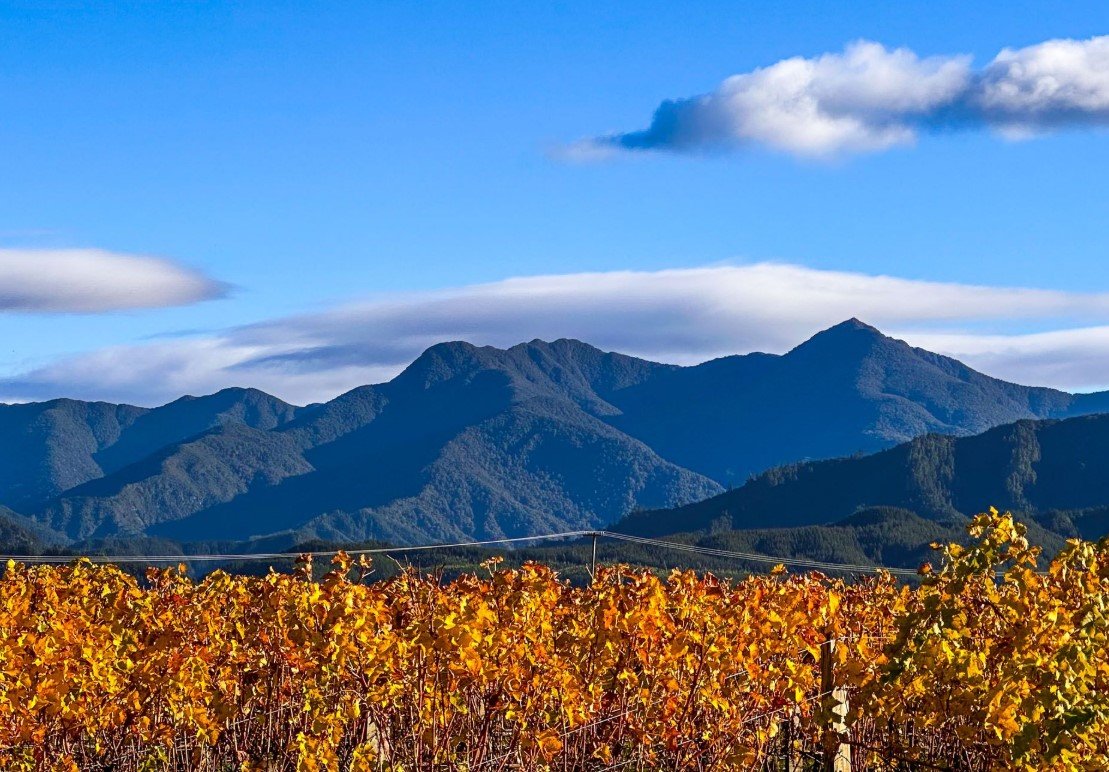
Wairau Valley is a scenic agricultural and wine-growing valley in Marlborough, on New Zealand’s South Island. Shaped by the Wairau River and surrounded by mountain ranges, the valley combines fertile farmland, vineyards, historic settlements, and a landscape closely connected to the region’s Māori and European history.
The valley is part of the wider Marlborough region, one of New Zealand’s best-known wine-producing areas. Its open plains, mountain views, river landscapes, and rural communities make it an interesting destination for travelers researching the geography, culture, and natural character of the South Island.
Wairau Valley Quick Facts
| Fact | Details |
|---|---|
| Location | Marlborough, South Island, New Zealand |
| Country | New Zealand |
| Region | Marlborough |
| Main River | Wairau River |
| Landscape | River valley, fertile plains, vineyards and mountains |
| Climate | Temperate, relatively dry climate |
| Famous For | Wairau River, vineyards, Māori history and farmland |
| Best Months | Generally November to April |
| Nearby Towns | Blenheim, Renwick and Seddon |
| Nearest Major City | Blenheim |
Where Is Wairau Valley?
Wairau Valley is located in the Marlborough region of New Zealand’s South Island. The valley follows the Wairau River from the inland mountain country toward the broad plains around Blenheim and the Wairau River delta.
The area is closely connected to Blenheim, the principal town of Marlborough, and Renwick, a major wine-growing settlement. Smaller communities and rural areas extend along the valley, creating a landscape of farms, vineyards, roads, and river flats.
Its position between the inland ranges and the Marlborough plains gives the valley an important geographical role within northeastern South Island.
Geography and Landscape
The Wairau Valley is shaped by the Wairau River, which flows through a broad valley system before reaching the lower Wairau plains. The upper valley is more mountainous and rural, while the lower areas contain extensive agricultural land and vineyards.
Mountain ranges surround the valley, including the inland ranges of Marlborough. The landscape changes from river terraces and open farmland to steeper hills and mountain country as the valley extends inland.
The Wairau River is a major physical feature, carrying water and sediment through the region. Its surrounding plains have helped support farming and viticulture, while the mountain slopes contribute to the valley’s distinctive scenery.
History of Wairau Valley
Wairau Valley has a long Māori history. The wider Wairau region was an important area for early Māori settlement, food gathering, and trade. The Wairau Bar, near the mouth of the Wairau River, is one of New Zealand’s most significant archaeological sites and provides evidence of early Polynesian settlement.
Māori communities used the river, wetlands, coast, and surrounding land for access to food and other resources. The wider Marlborough area also became an important location for interaction between Māori groups and later European settlers.
European settlement expanded during the nineteenth century. Farming, transport, and the development of agricultural communities became important parts of the valley’s economy. The Wairau plains and river system helped support pastoral farming and later the growth of Marlborough’s wine industry.
Over time, the wider region became increasingly associated with vineyards, tourism, and rural production. Today, the valley retains a mixture of historic settlement, farming, and modern agricultural activity.
How Was Wairau Valley Formed?
Wairau Valley developed through a combination of tectonic activity, river erosion, and sediment deposition. The region lies within an active part of New Zealand, where geological forces have shaped the mountain ranges and valleys of the South Island.
The Wairau River has gradually cut through and deposited sediment across the valley, helping create its river terraces, fertile plains, and broad agricultural landscapes. Erosion from surrounding mountains continues to contribute material to the river system.
Wairau Valley Weather Throughout the Year
Wairau Valley has a temperate climate with relatively dry conditions compared with many other parts of New Zealand. The Marlborough region is known for its sunny weather, warm summers, and cooler winters. Conditions vary between the lower valley and the surrounding mountains.
January to March
Summer brings warm days, generally lower rainfall, and long daylight hours. Temperatures in the wider Marlborough lowlands often reach the low to mid-20s Celsius during the day, while evenings are cooler. This is a popular period for outdoor activities and exploring the surrounding vineyards.
April to June
Autumn is generally mild at first, with gradually cooling temperatures and shorter days. April can still feel pleasant, while May and June bring cooler mornings and increased chances of rain. Mountain areas become colder as winter approaches.
July to September
Winter is cool, with daytime temperatures often around 10–13°C in the lower Marlborough region. Frosts can occur, particularly on clear nights, and snow is possible in the surrounding mountains. Rainfall and cold weather systems become more common.
October to December
Spring brings rising temperatures, longer days, and changing weather. October is often cool to mild, while November and December become warmer. Rain showers can occur, but the region generally moves toward its drier summer pattern.
Best Weather for Visiting Wairau Valley
November through April generally offers the most comfortable weather for exploring Wairau Valley, with warmer temperatures and longer daylight hours. Spring and autumn are also appealing for travelers who prefer milder conditions and fewer summer crowds.
Things to Do in Wairau Valley
Explore the Vineyards
Visit wineries and vineyard areas around the wider Wairau plains to experience Marlborough’s wine-growing culture. The region is especially associated with Sauvignon Blanc.
Enjoy Scenic Drives
Drive through the valley to experience changing scenery, from river flats and farmland to mountain landscapes. The roads provide access to rural communities and nearby attractions.
Go Hiking and Walking
Explore walking opportunities in the wider Marlborough region, including river areas, hills, and nearby reserves. More demanding mountain routes are available in the surrounding ranges.
Try Fishing
The Wairau River and other waterways in the region are associated with recreational fishing. Visitors should check current regulations, access conditions, and seasonal restrictions before fishing.
Experience Rural New Zealand
The valley’s farms, vineyards, rural roads, and small settlements offer a chance to see the agricultural character of Marlborough away from larger towns.
Photograph the Landscape
The combination of river scenery, open plains, vineyards, and mountains makes the valley suitable for landscape photography throughout the year.
Famous Attractions in and Around Wairau Valley
Wairau River
The main river running through the valley is an important geographical and agricultural feature. Its surrounding landscapes provide opportunities for sightseeing and photography.
Wairau Bar
Located near the mouth of the Wairau River, Wairau Bar is a major archaeological and cultural site associated with early Māori settlement in New Zealand.
Marlborough Wine Region
The surrounding wine-growing area is one of the most recognized wine regions in the country. Vineyards and cellar doors around Blenheim and Renwick are popular places to explore.
Blenheim
Blenheim is the main service town of Marlborough and offers museums, restaurants, accommodation, and access to the region’s wine industry.
Renwick
Renwick is a small town surrounded by vineyards and is an important base for exploring Marlborough’s wine country.
Marlborough Sounds
The Marlborough Sounds lie north of the Wairau plains and provide a contrasting landscape of sheltered waterways, forested hills, and coastal scenery.
Mount Richmond Forest Park
This protected mountain area offers forests, rivers, and backcountry landscapes in the wider Marlborough region. It is particularly relevant to visitors interested in hiking and natural environments.
Wildlife and Nature
Wairau Valley supports a mixture of river habitats, farmland, wetlands, and surrounding mountain ecosystems. The Wairau River and nearby waterways provide habitat for native fish and birds, while the surrounding vegetation changes with elevation and land use.
Birdlife in the wider Marlborough region includes native species such as the New Zealand fantail, silvereye, and paradise shelduck. Forested mountain areas support additional native wildlife, while river and wetland habitats are important for aquatic species.
Conservation efforts in the wider region focus on protecting waterways, native vegetation, wetlands, and habitats affected by agricultural and human activity.
How to Reach Wairau Valley
Wairau Valley is accessible by road from Blenheim and other parts of Marlborough. State Highway 63 follows the Wairau Valley inland toward the Nelson Lakes area, providing the main road connection through the valley.
Blenheim is the nearest major service town and has an airport with domestic flights. Nelson is another regional transport hub, while Christchurch provides wider domestic and international connections.
Travelers can reach the area by car, bus connections, or organized tours from nearby towns. Mountain roads and rural routes may be affected by winter weather, so checking conditions before travel is sensible.
Where to Stay Near Wairau Valley
Accommodation options are concentrated in nearby towns and the wider Marlborough wine region. Blenheim offers the broadest selection of hotels, motels, guesthouses, and holiday accommodation.
Renwick provides convenient access to vineyards and rural attractions, while smaller settlements and countryside properties offer a quieter stay. Visitors may also find farm stays, cottages, and campsites in the wider region, depending on availability.
Why Is Wairau Valley Famous?
Wairau Valley is recognized for its connection to the Wairau River, fertile agricultural land, Marlborough’s wine-growing region, and the wider area’s Māori and European history. Its combination of mountain scenery, rural landscapes, and cultural importance makes it a distinctive valley in New Zealand’s South Island.
Wairau Valley FAQs
Where is Wairau Valley located?
Wairau Valley is in the Marlborough region of New Zealand’s South Island. It extends inland from the Wairau plains toward the mountain country of the region.
What is Wairau Valley famous for?
It is known for the Wairau River, surrounding farmland, vineyards, mountain scenery, and the history of the wider Wairau region.
What is the weather like in Wairau Valley?
The valley has a relatively dry, temperate climate with warm summers and cool winters. Frosts and occasional snow are possible in colder months, particularly in higher areas.
What are the best months to visit Wairau Valley?
November to April generally offers pleasant conditions for sightseeing, vineyard visits, and outdoor activities. Spring and autumn can also be comfortable.
What can you do in Wairau Valley?
Visitors can explore vineyards, enjoy scenic drives, photograph the landscape, walk in nearby natural areas, and experience the region’s agricultural character.
How do you reach Wairau Valley?
The valley is primarily reached by road from Blenheim. State Highway 63 provides an important route through the valley toward inland Marlborough.
Does Wairau Valley get snow?
Snow is possible during winter, especially in the surrounding mountains. Snowfall is less common on the lower valley floor.
What attractions are near Wairau Valley?
Nearby attractions include Wairau Bar, Blenheim, Renwick, Marlborough vineyards, Marlborough Sounds, and Mount Richmond Forest Park.
Final Thoughts
Wairau Valley offers a distinctive combination of river landscapes, mountain scenery, farming, vineyards, and cultural history. It is a useful destination for travelers who want to understand Marlborough beyond its wine industry and explore the natural and historical character of the region.
For More Visit Stay And Update
