
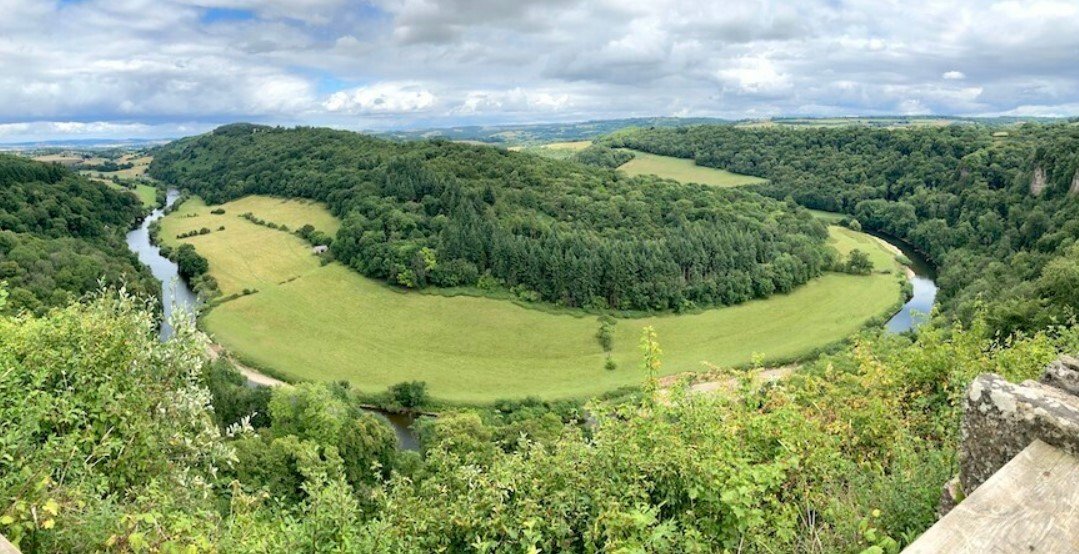
The Wye Valley is one of Britain’s best-known river valleys, following the River Wye through parts of England and Wales. Known for wooded slopes, limestone cliffs, historic towns, and riverside scenery, the valley has long attracted walkers, artists, writers, and outdoor enthusiasts.
The lower section is especially celebrated for its combination of natural and cultural landscapes. From the historic ruins of Tintern Abbey to the dramatic viewpoint at Symonds Yat, the Wye Valley offers a distinctive blend of countryside, heritage, and outdoor recreation.
Wye Valley Quick Facts
| Fact | Details |
|---|---|
| Location | England and Wales |
| Country | United Kingdom |
| Region | Herefordshire, Gloucestershire and Monmouthshire |
| Main River | River Wye |
| Famous For | River scenery, limestone gorges, woodland and historic landmarks |
| Protected Area | Wye Valley National Landscape |
| Climate | Temperate maritime |
| Best Months | April to October |
| Nearby Towns | Monmouth, Ross-on-Wye, Chepstow and Hereford |
Where Is Wye Valley?
The Wye Valley follows the River Wye across parts of Wales and England. The most widely recognised lower valley landscape extends from around Hereford south toward Chepstow, passing through or alongside Herefordshire and Gloucestershire in England and Monmouthshire in Wales.
Much of the lower valley lies along the England-Wales border, with the river itself forming part of the boundary. Important towns and visitor bases include Monmouth, Ross-on-Wye, Tintern, and Chepstow.
Geography and Landscape
The Wye Valley changes considerably along its length. In the lower section, the River Wye winds through wooded hills and deep limestone scenery, creating dramatic bends, cliffs, and river viewpoints.
Around Symonds Yat, the river forms one of its most famous meanders, surrounded by steep slopes and woodland. Farther south, the valley narrows in places near Tintern and Chepstow, where Carboniferous Limestone contributes to the area’s striking gorge-like scenery.
The River Wye is the defining natural feature of the valley. Its changing course has created floodplains, meanders, river cliffs, and wooded slopes, giving different sections of the valley their own character.
History of Wye Valley
The Wye Valley has a long human history, with archaeological evidence showing that people have occupied and travelled through the region for thousands of years. The valley’s position between England and Wales also gave it strategic importance during different periods of British history.
Roman activity influenced the wider region, while the Norman period left a strong legacy of castles and fortified settlements. Chepstow Castle, positioned above the River Wye, became one of the most important medieval fortifications in the area.
Religious history is particularly visible at Tintern Abbey, founded in 1131 by Cistercian monks. After the Dissolution of the Monasteries in the sixteenth century, the abbey became a famous ruin.
By the eighteenth century, the Wye Valley had become an important destination for scenic tourism. Artists and writers, including J. M. W. Turner and William Wordsworth, drew inspiration from its landscape, helping establish the valley’s reputation as one of Britain’s classic scenic regions.
How Was Wye Valley Formed?
The Wye Valley developed through the long-term action of the River Wye and its tributaries on different layers of rock. Erosion gradually cut through softer rocks and, in some areas, resistant limestone formations.
Ice-age processes also influenced the wider landscape. Over time, the river created broad meanders, floodplains, steep slopes, and deeply incised sections, particularly where it encountered harder rock. These processes produced the varied landscape seen across the valley today.
Wye Valley Weather Throughout the Year
The Wye Valley has a temperate maritime climate. Weather can change quickly, and rainfall is possible throughout the year, although temperatures are generally moderate compared with more mountainous parts of Britain.
January to March
Winter is cool and often wet, with frosty mornings possible. January and February are generally the coldest months, while March begins to bring longer daylight hours and early signs of spring.
April to June
Spring brings milder temperatures and increasingly green landscapes. April and May are popular for walking, while June often provides longer, warmer days for outdoor activities.
July to September
Summer is usually the warmest period, although rain remains possible. July and August are popular for walking, canoeing, cycling, and exploring riverside towns. September can still offer pleasant conditions with fewer summer crowds.
October to December
Autumn brings colourful foliage to the valley’s woodlands, particularly during October. Temperatures gradually fall through November and December, while wetter conditions become more common.
Best Weather for Visiting Wye Valley
April through October generally offers the most comfortable conditions for exploring the Wye Valley. Spring is ideal for fresh woodland scenery, summer provides the longest days, and early autumn is especially attractive for colourful forests and walking.
Things to Do in Wye Valley
Walk the Wye Valley Walk
The Wye Valley Walk follows the River Wye for approximately 136 miles from its source toward the sea. Visitors can choose shorter sections rather than completing the entire route.
Go Canoeing or Kayaking
The River Wye is a popular destination for paddling. Conditions and access arrangements vary by section, so visitors should plan their route carefully.
Explore on Foot
The valley has numerous walking routes through woodland, riverside paths, hills, and historic villages. Sections of Offa’s Dyke Path also pass through the wider area.
Cycle Through the Countryside
Quiet country roads and designated routes provide opportunities for cycling through the valley and surrounding countryside.
Enjoy Scenic Photography
River bends, limestone cliffs, historic ruins, and seasonal woodland colours make the Wye Valley a rewarding destination for landscape photography.
Watch Wildlife
The combination of river, woodland, cliffs, and open countryside supports a variety of birds and other wildlife.
Famous Attractions in and Around Wye Valley
Tintern Abbey
The roofless remains of Tintern Abbey are among the valley’s most famous landmarks. The medieval Cistercian abbey stands beside the River Wye and has inspired generations of artists and writers.
Symonds Yat Rock
Symonds Yat Rock is a well-known viewpoint overlooking a dramatic bend in the River Wye. It is one of the best places to appreciate the valley’s distinctive landscape.
Chepstow Castle
Chepstow Castle stands on a cliff above the River Wye near the southern end of the valley. Its long history makes it one of the area’s most important medieval sites.
The Devil’s Pulpit
This elevated viewpoint above Tintern provides wide views across the valley and toward Tintern Abbey. It is reached on foot from nearby walking routes.
Monmouth
Monmouth is a historic market town located near the meeting of the Rivers Wye, Monnow, and Trothy. It provides shops, accommodation, and access to the surrounding countryside.
The Kymin
Located near Monmouth, the Kymin is a hilltop area known for its views across Monmouthshire and the Wye Valley.
Ross-on-Wye
Ross-on-Wye is a historic market town closely associated with the development of scenic tourism along the River Wye.
Wildlife and Nature
The Wye Valley supports a diverse mixture of woodland, riverside habitat, grassland, cliffs, and caves. Ancient and semi-natural woodland is particularly important in the lower valley, where oak, beech, ash, and other native trees contribute to a rich ecosystem.
Wildlife associated with the region includes otters, bats, deer, and a wide variety of birds. Peregrine falcons can be seen around suitable cliff habitats, while the river and its banks support fish, aquatic life, and water-dependent species. Protected landscapes and conservation sites help safeguard the valley’s ecological importance.
How to Reach Wye Valley
The Wye Valley is accessible by road from several directions. Chepstow provides a convenient southern gateway and has good connections to the M48 and surrounding road network. Monmouth is another useful access point for exploring the central valley.
The nearest major airports include Bristol Airport and Cardiff Airport, depending on the part of the valley being visited. Rail services do not run through every section of the valley, but stations at Chepstow and nearby towns can provide connections to regional transport.
Buses serve several communities, although a car can make it easier to explore more rural areas and viewpoints.
Where to Stay Near Wye Valley
Monmouth is a practical base for visitors wanting access to the central part of the valley. The town and surrounding countryside offer hotels, guesthouses, inns, and holiday accommodation.
Tintern is popular with visitors who want to stay close to the abbey and riverside walking routes. Chepstow offers a wider range of transport connections and accommodation options, while Ross-on-Wye can be a useful base for exploring the northern part of the lower valley.
Holiday cottages, campsites, country inns, and woodland accommodation are also available across the wider region.
Why Is Wye Valley Famous?
The Wye Valley is famous for its scenic River Wye landscapes, wooded limestone slopes, historic monuments, and role in the development of British tourism. Its location across the England-Wales border gives the valley a distinctive cultural character, while places such as Tintern Abbey and Symonds Yat have made it internationally recognisable.
Wye Valley FAQs
Where is Wye Valley located?
The Wye Valley is located along the River Wye in parts of England and Wales, particularly across Herefordshire, Gloucestershire, and Monmouthshire.
Is Wye Valley in England or Wales?
It is in both. Parts of the valley lie in England and Wales, and the River Wye forms part of the border between the two countries.
What is Wye Valley famous for?
It is known for the River Wye, dramatic woodland scenery, limestone cliffs, Tintern Abbey, historic towns, and outdoor activities.
What is the weather like in Wye Valley?
The valley has a temperate maritime climate with generally mild summers, cool winters, and rainfall throughout the year.
What are the best months to visit Wye Valley?
April to October is generally the best period for walking, sightseeing, and other outdoor activities. Autumn is particularly popular for woodland colours.
What can you do in Wye Valley?
Visitors can walk, cycle, canoe, kayak, photograph the landscape, visit historic sites, and explore riverside towns and villages.
How do you reach Wye Valley?
The valley is mainly accessed by road. Chepstow, Monmouth, and Ross-on-Wye are useful gateways, while regional rail and bus services connect some nearby towns.
Does Wye Valley get snow?
Snow is possible during colder winter weather, particularly on higher ground, but significant snowfall is not a regular feature of the lower valley.
Final Thoughts
The Wye Valley offers a distinctive combination of river scenery, historic landmarks, woodland, and outdoor recreation across the England-Wales border. Whether exploring its walking trails, historic towns, famous viewpoints, or riverside landscapes, visitors can experience one of Britain’s most historically significant and naturally varied valleys.
For More Visit Stay And Update
