
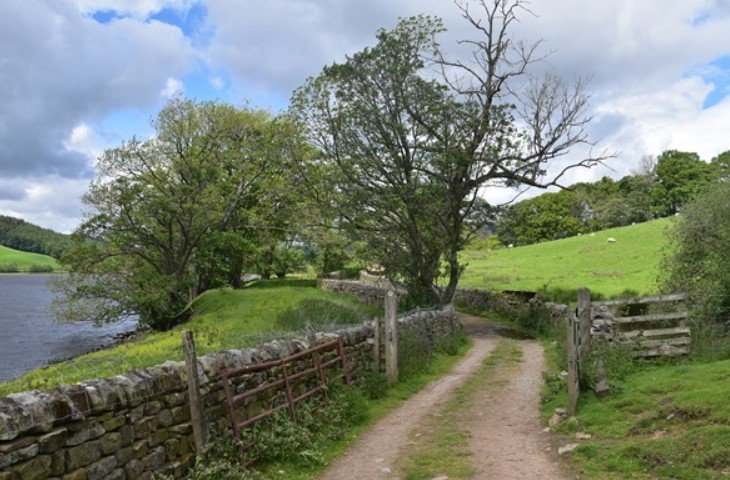
Nidd Valley, more commonly known as Nidderdale, is a distinctive valley in North Yorkshire, England. Named after the River Nidd, it stretches from remote upland moors and reservoirs toward gentler farmland and historic settlements further east.
The valley offers a different character from one end to the other. Upper Nidderdale is known for heather moorland, reservoirs and dramatic limestone scenery, while lower sections become greener and more pastoral. Its combination of natural landscapes, historic villages and outdoor activities makes it an important part of the wider Yorkshire Dales region.
Nidd Valley Quick Facts
| Fact | Details |
|---|---|
| Location | North Yorkshire, England |
| Country | United Kingdom |
| Region | Yorkshire Dales / Pennine uplands |
| Main River | River Nidd |
| Main Town | Pateley Bridge |
| Landscape | Moorland, reservoirs, farmland and river valleys |
| Famous For | Scenic countryside, reservoirs, Brimham Rocks and outdoor activities |
| Climate | Temperate maritime |
| Best Months | Generally May to September |
| Protected Landscape | Nidderdale National Landscape |
Where Is Nidd Valley?
Nidd Valley is located in North Yorkshire in northern England, on the eastern side of the wider Yorkshire Dales region. The valley follows the course of the River Nidd, which rises in the uplands near Great Whernside and continues eastward toward the River Ouse.
Pateley Bridge is the principal town within Nidderdale. Other settlements include Lofthouse, Ramsgill, Middlesmoor, Summerbridge, Darley and Birstwith. The valley lies within easy reach of Harrogate and Ripon, making it relatively accessible from other parts of Yorkshire.
Geography and Landscape
The landscape changes significantly along the Nidd Valley. Upper Nidderdale is narrow and surrounded by extensive heather-covered moorland, while lower sections gradually open into rolling farmland and wooded river scenery.
Water is a major feature of the valley. The River Nidd passes through the landscape and feeds several important reservoirs, including Angram Reservoir, Scar House Reservoir and Gouthwaite Reservoir. In the upper valley, parts of the river can disappear underground before re-emerging further downstream.
The geology also creates some of Nidderdale’s best-known scenery. Gritstone overlying limestone has influenced the shape of the landscape and contributed to unusual natural features such as Brimham Rocks and the limestone environment around How Stean Gorge.
History of Nidd Valley
Nidderdale has a long history shaped by farming, rural communities and industry. Settlements developed along the River Nidd, where water, fertile land and access through the valley supported local life.
Mining and quarrying later became important parts of the area’s economy. Evidence of former industrial activity remains across the wider landscape, including quarry faces, old bridges, railway infrastructure and smelting features.
Pateley Bridge developed into the main market town of the dale and remains an important base for exploring the valley. The area also has connections with historic religious and estate landscapes, including nearby Fountains Abbey and Studley Royal.
How Was Nidd Valley Formed?
The Nidd Valley was shaped over a long period by geological processes, erosion and the action of water and ice. Glacial activity helped shape parts of the wider Nidderdale landscape, while the River Nidd and its tributaries continued to erode and modify the valley.
The combination of different rock types, including gritstone and limestone, has produced contrasting landforms. River erosion, underground drainage and weathering continue to influence features such as gorges, valleys and unusual rock formations.
Nidd Valley Weather Throughout the Year
Nidd Valley has a temperate maritime climate, with relatively mild summers, cool winters and rainfall possible throughout the year. Conditions can vary considerably between the sheltered valley floor and the higher exposed moorland.
January to March
Winter and early spring are generally cool and wet. Higher ground can experience frost, strong winds and occasional snowfall, while conditions on the valley floor are often milder.
April to June
Spring brings longer daylight hours and gradually warmer temperatures. Meadows and woodland become greener, making this a popular period for walking and exploring the countryside.
July to September
Summer usually provides the warmest and most suitable conditions for outdoor activities. Rain remains possible, but longer days are useful for walking, cycling and sightseeing. Heather moorland can become particularly colourful in late summer.
October to December
Autumn brings cooler temperatures and changing colours in the valley’s woodlands. Rainfall and wind become more frequent as winter approaches, while higher areas may become increasingly exposed.
Best Weather for Visiting Nidd Valley
Late spring through early autumn, particularly May to September, generally offers the most comfortable conditions for walking, cycling and exploring the valley. Late summer is especially attractive for seeing flowering heather on the surrounding moors.
Things to Do in Nidd Valley
Walking
Nidderdale offers routes ranging from gentle riverside walks to more demanding upland trails around reservoirs and moorland.
Cycling
The area has quiet country roads and cycling routes, including sections connected with the Way of the Roses route.
Explore Reservoirs
Scar House Reservoir and other water landscapes provide opportunities for scenic walks and photography.
Visit How Stean Gorge
Visitors can explore the dramatic gorge environment and take part in activities such as caving and via ferrata experiences.
Wildlife Watching
Gouthwaite Reservoir is particularly known as a good location for birdwatching.
Photography
Moorland, reservoirs, villages and unusual rock formations provide varied opportunities for landscape photography.
Famous Attractions in and Around Nidd Valley
Brimham Rocks
Brimham Rocks is a collection of striking weathered rock formations near Summerbridge. Its unusual shapes make it one of the area’s best-known natural landmarks.
Scar House Reservoir
Located high in Upper Nidderdale, Scar House Reservoir is surrounded by open hills and is popular for walking and scenic views.
Gouthwaite Reservoir
This large reservoir is an important landscape feature and a popular destination for observing birds and enjoying waterside scenery.
How Stean Gorge
Near Lofthouse, this dramatic limestone gorge offers caves, steep rock walls and outdoor adventure activities.
Pateley Bridge
Pateley Bridge is the valley’s main town and a useful base for exploring local history, shops, walking routes and surrounding countryside.
Nidderdale Museum
Located in Pateley Bridge, the museum presents the social and working history of the dale and provides useful insight into traditional rural life.
Fountains Abbey and Studley Royal
Located near the wider Nidderdale area, this UNESCO World Heritage Site combines the ruins of a historic abbey with landscaped gardens and parkland.
Wildlife and Nature
Nidd Valley supports a wide variety of habitats, including heather moorland, blanket bog, hay meadows, woodland, rivers and reservoirs. These contrasting environments support diverse birdlife and other wildlife.
Gouthwaite Reservoir is particularly important for birds, while the wider valley’s moorland and meadow habitats contribute to the area’s ecological diversity. Conservation efforts across the Nidderdale National Landscape aim to protect these habitats while maintaining the region as a working rural landscape.
How to Reach Nidd Valley
The most practical way to reach Nidd Valley is by road. Harrogate is a major nearby transport hub, while Pateley Bridge provides access to Upper Nidderdale via local roads.
Visitors travelling by rail can use nearby stations such as Harrogate or Knaresborough and continue by bus or car. Bus connections serve parts of Nidderdale, although services may be less frequent in remote upland areas.
Driving is generally the easiest option for reaching reservoirs, moorland locations and smaller villages. Weather can affect higher roads during winter.
Where to Stay Near Nidd Valley
Pateley Bridge is one of the best places to stay for visitors who want convenient access to the central and upper valley. Accommodation options in and around the area include hotels, inns, guesthouses, cottages and small rural properties.
Other villages in Nidderdale may offer holiday cottages and countryside accommodation, while Harrogate provides a wider range of hotels and visitor services. Camping and caravan options are also available in parts of the wider region.
Why Is Nidd Valley Famous?
Nidd Valley is famous for its changing Yorkshire landscape, where remote moorland and reservoirs gradually give way to green farmland and historic settlements. It is particularly recognised for Brimham Rocks, Upper Nidderdale’s reservoir scenery, the River Nidd, outdoor recreation and the cultural heritage of Pateley Bridge and the surrounding countryside.
Nidd Valley FAQs
Where is Nidd Valley located?
Nidd Valley, commonly known as Nidderdale, is located in North Yorkshire, England, within the wider Yorkshire Dales region.
What is Nidd Valley famous for?
It is known for the River Nidd, heather moorland, reservoirs, Brimham Rocks, How Stean Gorge and the market town of Pateley Bridge.
What is the weather like in Nidd Valley?
The valley has a temperate maritime climate with mild to warm summers, cool winters and rainfall throughout the year.
What are the best months to visit Nidd Valley?
May to September generally offers favourable conditions for walking, cycling and exploring the countryside.
What can you do in Nidd Valley?
Visitors can walk, cycle, photograph the landscape, explore reservoirs, watch birds and visit natural attractions such as How Stean Gorge.
How do you reach Nidd Valley?
Most visitors arrive by road from Harrogate and surrounding parts of North Yorkshire. Rail travellers can use nearby stations before continuing by bus or car.
Does Nidd Valley get snow?
Snow is possible during winter, particularly on the higher moorland surrounding Upper Nidderdale.
What are the main attractions near Nidd Valley?
Major attractions include Brimham Rocks, Scar House Reservoir, Gouthwaite Reservoir, How Stean Gorge, Pateley Bridge and nearby Fountains Abbey and Studley Royal.
Final Thoughts
Nidd Valley offers a varied view of North Yorkshire, from open moorland and reservoir landscapes to historic towns, farmland and river scenery. It is well suited to visitors interested in walking, nature, local history and quieter countryside experiences.
For More Visit Stay And Update
