
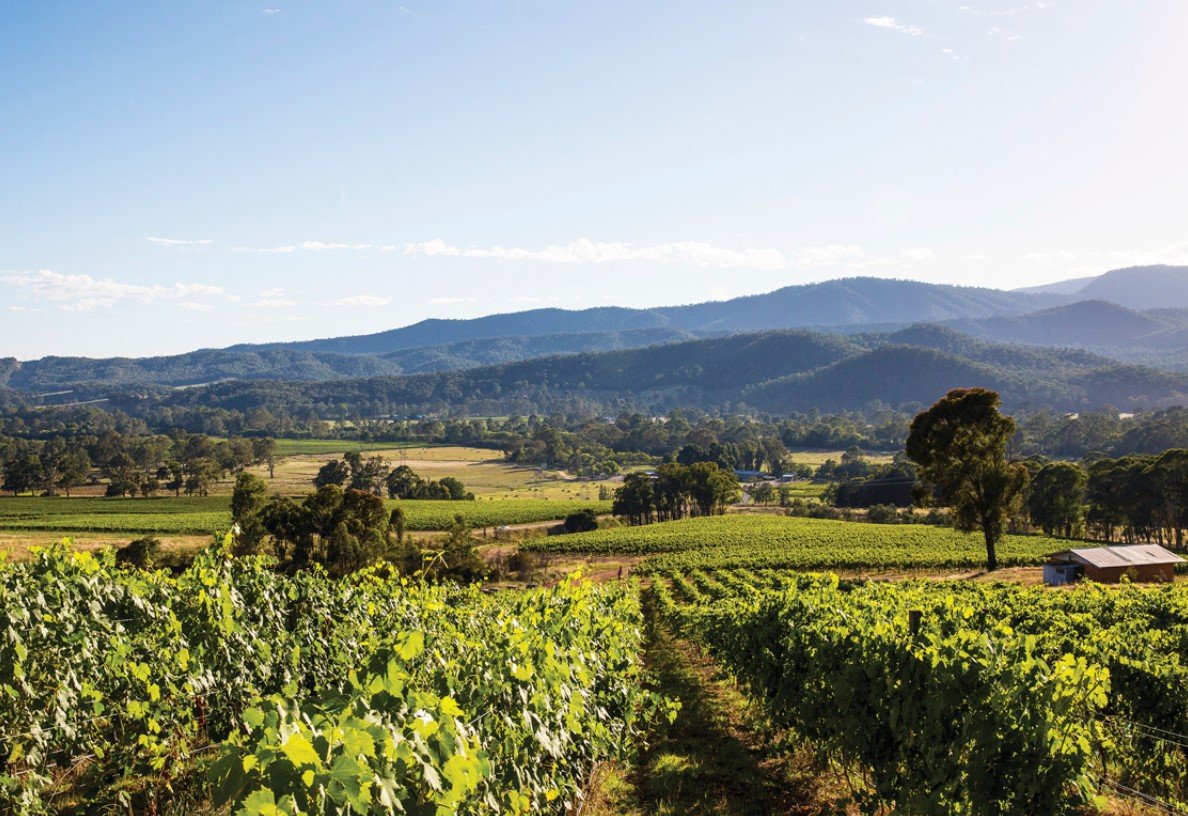
King Valley is a scenic rural valley in northeastern Victoria, Australia, where vineyards, farmland, forests, mountains, and the King River create a distinctive High Country landscape. The region is particularly known for its Italian-influenced food and wine culture, with vineyards producing Prosecco and other Mediterranean grape varieties.
Beyond its wineries, the valley offers a combination of outdoor recreation and cultural heritage. Historic settlements, waterways, waterfalls, lookouts, cycling routes, and nearby alpine landscapes make King Valley a destination that appeals to both food and wine enthusiasts and visitors looking for outdoor experiences.
King Valley Quick Facts
| Fact | Details |
|---|---|
| Location | Northeastern Victoria, Australia |
| Country | Australia |
| Region | Victoria’s High Country |
| Main River | King River |
| Landscape | Vineyards, farmland, forests, hills and alpine foothills |
| Famous For | Wine, Prosecco, Italian heritage and gourmet food |
| Climate | Continental-influenced, with warm summers and cold winters |
| Best Months | Generally spring through autumn |
| Nearby City/Town | Wangaratta |
| Main Towns | Whitfield, Moyhu and surrounding villages |
Where Is King Valley?
King Valley is located in northeastern Victoria, in the High Country region of southeastern Australia. It follows the King River from the higher country around the Alpine National Park toward the lower agricultural areas near Wangaratta.
The valley is approximately three hours by road from Melbourne and is accessible from Wangaratta, Mansfield, and surrounding regional communities. Whitfield and Moyhu are among the principal settlements within the valley, while Milawa lies at its northern end and forms an important part of the broader food and wine region.
Geography and Landscape
The valley follows the King River through a landscape that gradually changes from mountain country to fertile agricultural land. The upper valley contains forested hills and higher elevations, while lower areas feature open farmland, orchards, vineyards, and rural settlements.
The King River begins in the higher country near the Alpine National Park before flowing through Lake William Hovell and continuing north toward the valley’s agricultural areas. The surrounding terrain includes rolling foothills, steep forested slopes, vineyards, and mountain scenery.
Elevation varies considerably across the region. Higher vineyards around the Whitlands area experience cooler conditions than the lower valley floor, contributing to the diversity of crops and wine styles produced in the region.
History of King Valley
The King Valley lies on the traditional lands of Aboriginal peoples including the Taungurung and Yorta Yorta. Indigenous communities have maintained long-standing connections with the area’s rivers, forests, grasslands, and mountain environments.
European settlement expanded during the nineteenth century, with agriculture, cattle production, timber activity, and gold-rush-era movement contributing to the development of surrounding communities. Chinese migrants also became part of the region’s agricultural and commercial history.
Tobacco became an important crop, particularly during the twentieth century. After World War II, Italian migrants established tobacco farms and brought agricultural traditions that later influenced the valley’s food and wine identity. As the tobacco industry declined, many growers transitioned toward grapes and other agricultural products.
This transformation helped establish the modern King Valley as a major wine and gourmet destination, particularly for Italian grape varieties and Prosecco.
How Was King Valley Formed?
The landscape developed through the long-term erosion of the northeastern Victorian highlands, with the King River and its tributaries helping shape the valley. Geological uplift, weathering, river erosion, and changing climatic conditions have contributed to the region’s varied terrain.
The result is a valley system that transitions from higher mountainous country in the south to broader agricultural landscapes toward the north, with the river forming an important natural corridor through the region.
King Valley Weather Throughout the Year
King Valley has a varied climate influenced by both its valley-floor position and surrounding high country. Summers are generally warm, while winters can be cold, particularly at higher elevations.
January to March
Summer brings warm days and generally cooler nights than many lower-lying parts of Victoria. January and February are typically among the warmest months, making this period suitable for outdoor activities, cycling, sightseeing, and visiting vineyards.
April to June
Autumn brings cooler temperatures and changing foliage across the valley. April can still be relatively mild, while May and June become noticeably colder. Rainfall increases toward winter, particularly in the higher country.
July to September
Winter is the coldest period, with chilly days and cold nights. Higher parts of the region can experience frost and occasional snow, while rainfall is more common. September marks the gradual transition toward warmer spring conditions.
October to December
Spring brings increasing sunshine and warmer temperatures, while vineyards and surrounding farmland become greener. By November and December, conditions are generally warm enough for outdoor activities and exploring the region’s food and wine trails.
Best Weather for Visiting King Valley
Spring through autumn generally provides the most comfortable conditions for exploring the valley. October to April is particularly suitable for combining outdoor activities with vineyard visits, although winter offers a different experience for visitors interested in cooler weather and the surrounding high country.
Things to Do in King Valley
- Explore wineries: Visit cellar doors and experience the region’s Prosecco and Italian grape varieties.
- Cycle through the countryside: The area around the King Valley and nearby Murray to Mountains Rail Trail provides scenic cycling opportunities.
- Hike and bushwalk: Trails around the valley lead through forests, hills, and viewpoints.
- Fish and paddle: The King River and Lake William Hovell provide opportunities for fishing and selected water activities.
- Visit local food producers: Cheese, olives, bread, produce, and other regional specialties complement the wine industry.
- Enjoy scenic drives: Rural roads connect vineyards, villages, mountain viewpoints, and natural attractions.
- Try four-wheel driving: Selected tracks in the surrounding High Country provide opportunities for off-road exploration.
Famous Attractions in and Around King Valley
Prosecco Road
Prosecco Road connects a collection of wineries and food producers across the valley, showcasing the region’s Italian influence and sparkling wine industry.
Powers Lookout
Powers Lookout is a scenic viewpoint overlooking the King Valley. It is also associated with bushranger Harry Power, adding historical interest to the panoramic landscape.
Lake William Hovell
This reservoir lies in the upper King River system and is surrounded by forested mountain country. It is popular for fishing, boating, picnicking, and enjoying the quieter natural surroundings.
Paradise Falls
Located in the surrounding High Country, Paradise Falls is a prominent waterfall and natural attraction reached through forested terrain.
Whitfield
Whitfield is one of the valley’s main settlements and a useful base for exploring wineries, outdoor attractions, and the upper valley.
Milawa
Milawa forms part of the broader King Valley gourmet region and is known for food producers, wineries, cycling opportunities, and its connection with the area’s agricultural heritage.
King River
The river itself is one of the defining natural features of the region, flowing from alpine country through farmland and vineyards toward Wangaratta.
Wildlife and Nature
King Valley’s natural environment changes with elevation, from river habitats and open farmland to eucalyptus forests and higher mountain ecosystems. The King River provides habitat and recreational opportunities, while surrounding forests support native Australian wildlife.
Visitors may encounter kangaroos, wallabies, wombats, possums, and a variety of native birds. The higher country contains more extensive forest and alpine environments, while the valley floor has been extensively shaped by agriculture and vineyards. Conservation of waterways, forests, and native vegetation remains important to maintaining the region’s ecological character.
How to Reach King Valley
The main gateway is Wangaratta, which has road and rail connections to Melbourne and other parts of Victoria. From Wangaratta, visitors can travel south toward Milawa and continue into the King Valley via local roads.
For travelers arriving by air, regional airports such as Albury Airport and Mount Hotham Airport can provide access to the wider northeastern Victorian region, although a car is generally the most practical option for exploring the valley itself.
Driving is particularly convenient because wineries, villages, lookouts, and natural attractions are spread throughout the region. Winter travel into higher areas may require additional preparation during periods of cold weather.
Where to Stay Near King Valley
Accommodation is available throughout the valley and nearby communities. Visitors can choose from country hotels, guesthouses, bed-and-breakfast properties, vineyard accommodation, holiday homes, cabins, and camping areas.
Whitfield provides a convenient base for exploring the upper valley, while Milawa and nearby villages offer easy access to food and wine experiences. Wangaratta provides the widest selection of accommodation and services for travelers who prefer to stay in a larger regional center.
Why Is King Valley Famous?
King Valley is famous for combining Victoria’s High Country scenery with a strong Italian food and wine tradition. Its vineyards, Prosecco Road, gourmet producers, King River landscapes, and migrant agricultural heritage have created a distinctive regional identity that sets it apart from many other Australian valleys.
King Valley FAQs
Where is King Valley located?
King Valley is in northeastern Victoria, Australia, within the state’s High Country region. Wangaratta is the main nearby regional city.
What is King Valley famous for?
The valley is best known for its wineries, Prosecco, Italian grape varieties, gourmet food, scenic countryside, and High Country landscapes.
What is the weather like in King Valley?
Summers are generally warm, while winters are cold, particularly in higher areas. Autumn and spring provide milder conditions for exploring the region.
What are the best months to visit King Valley?
October through April is generally a comfortable period for outdoor activities, cycling, sightseeing, and winery visits.
What can you do in King Valley?
Visitors can explore wineries, cycle, hike, fish, visit waterfalls and lookouts, enjoy local food, and explore the surrounding mountain country.
How do you reach King Valley?
Most visitors drive from Wangaratta or Melbourne. A car is particularly useful because attractions and wineries are spread across the valley.
Does King Valley get snow?
Snow is possible in the higher parts of the surrounding High Country during winter, although it is not a defining feature of the lower valley floor.
What attractions are near King Valley?
Notable places include Prosecco Road, Powers Lookout, Lake William Hovell, Paradise Falls, Milawa, Whitfield, and the King River.
Final Thoughts
King Valley offers a distinctive combination of vineyards, rivers, mountain scenery, agricultural heritage, and Italian-inspired food culture. Whether the goal is to explore wineries, enjoy outdoor activities, discover local history, or experience Victoria’s High Country landscapes, the valley provides a varied regional experience.
