
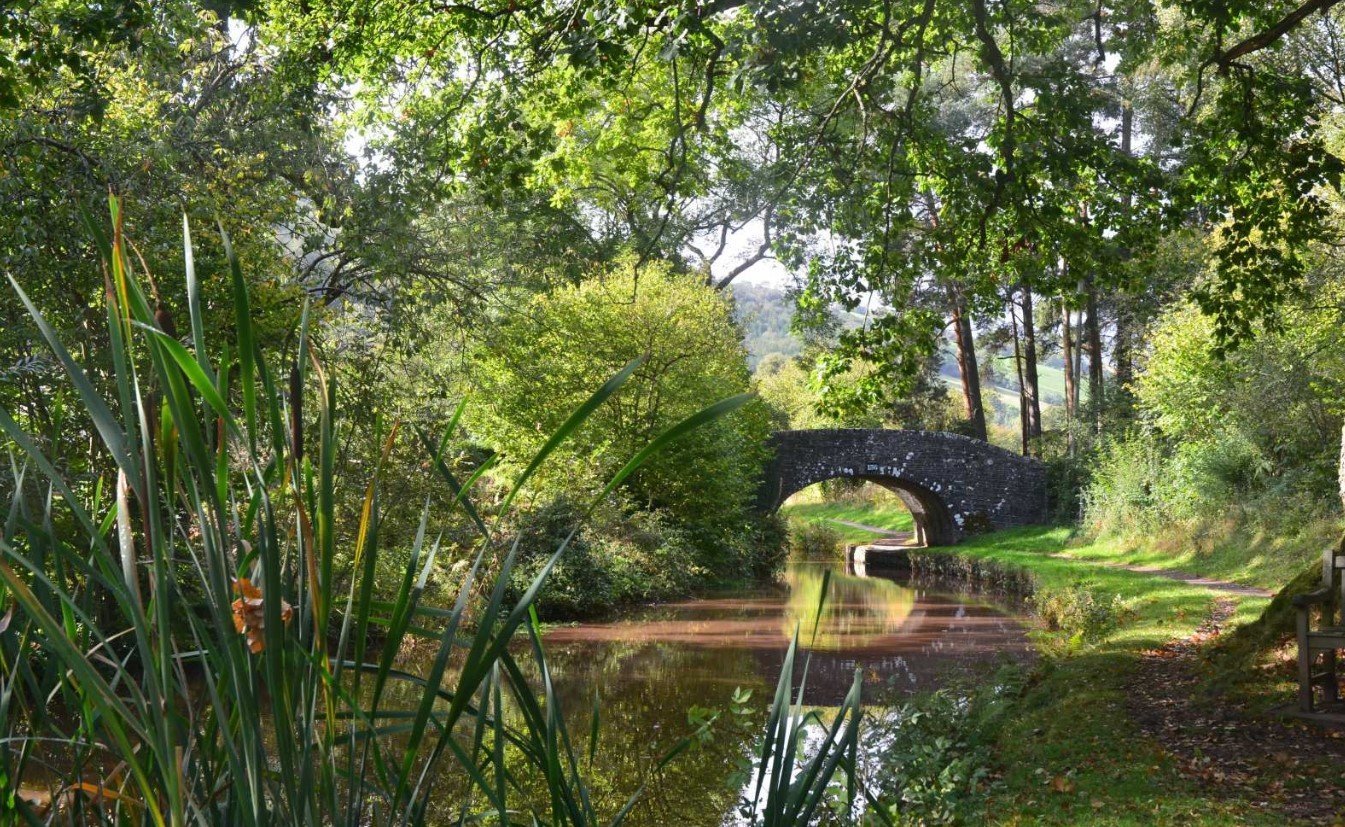
Usk Valley is a scenic river valley in southeastern Wales, shaped by the River Usk and surrounded by rolling farmland, wooded hills and the dramatic mountains of the Bannau Brycheiniog (Brecon Beacons) region. The landscape changes from broad, fertile countryside around Abergavenny and Usk to more mountainous scenery farther north toward Brecon.
The valley combines natural scenery with a deep cultural history. Market towns, historic castles, ancient hillforts, riverside landscapes and traditional rural communities make the area appealing to walkers, cyclists, history enthusiasts and travelers looking for a quieter part of Wales.
| Fact | Details |
|---|---|
| Location | Southeastern Wales |
| Country | Wales, United Kingdom |
| Region | Monmouthshire and Powys |
| Main River | River Usk |
| Landscape | River valley, farmland, woodland and mountains |
| Famous For | River scenery, Black Mountains, historic towns and countryside |
| Climate | Temperate maritime |
| Best Months | May to September |
| Nearby Towns | Abergavenny, Usk, Brecon and Crickhowell |
Where Is Usk Valley?
Usk Valley follows the River Usk through southeastern and central-southern Wales. One of the best-known stretches runs between Abergavenny and Brecon, while the lower valley continues through Monmouthshire toward the town of Usk and onward toward the Severn Estuary.
The valley is closely associated with Abergavenny, Usk, Brecon and the surrounding villages. Its setting places visitors within easy reach of the Black Mountains and Bannau Brycheiniog National Park, while major South Wales destinations such as Newport and Cardiff are farther south.
Geography and Landscape
The River Usk is the defining physical feature of the valley. Its banks pass through green pasture, woodland, villages and open countryside, while the surrounding terrain gradually becomes more elevated toward the Black Mountains and Bannau Brycheiniog.
Near Abergavenny, prominent peaks such as Sugar Loaf, the Skirrid and Blorenge create a distinctive mountain backdrop. The valley also contains wooded slopes and broad agricultural areas, producing a landscape that contrasts with the more rugged uplands farther north.
The Monmouthshire & Brecon Canal follows the Usk Valley for much of its route and adds another important waterway to the landscape. The historic canal extends for around 35 miles through Monmouthshire, Powys and the Bannau Brycheiniog area.
History of Usk Valley
The Usk Valley has been inhabited and used by people for thousands of years. Evidence of prehistoric settlement survives in places such as Coed y Bwnydd, a well-preserved Iron Age hillfort near the Clytha Estate.
Roman influence was also significant in the wider region. The Roman fortress and settlement at Caerleon, farther south along the Usk, was established in AD 75 and became an important military center. Later, Norman rulers built castles throughout the region as they established control over the Welsh borderlands.
The valley’s towns developed as important agricultural and market centers. The River Usk and surrounding countryside supported farming, while the construction of the Monmouthshire & Brecon Canal in the late eighteenth century created an important transport route for coal, iron and other goods. Today, the valley’s historic buildings and waterways form an important part of its cultural landscape.
How Was Usk Valley Formed?
The valley developed through the long-term action of rivers, erosion and geological processes affecting the surrounding Welsh uplands. The River Usk has progressively shaped its valley as it flows southward through changing rock and terrain.
The mountains surrounding the upper valley reflect the area’s complex geological history, while later erosion created the gentler slopes, river terraces and agricultural landscapes seen along the lower sections.
Usk Valley Weather Throughout the Year
The Usk Valley has a temperate maritime climate, with relatively mild temperatures compared with many continental regions and rainfall possible throughout the year. Weather can change quickly, particularly near the higher ground of the Black Mountains.
January to March
Winter and early spring are generally cool, damp and changeable. Frost can occur, and snow is possible on higher ground, particularly around the mountains. Rain and cloudy conditions are common.
April to June
Spring brings gradually warmer conditions and longer daylight hours. April can remain unsettled, while May and June are generally more suitable for walking and exploring the countryside. Rain showers remain possible.
July to September
Summer is usually the warmest period, with longer, brighter days but no guarantee of dry weather. Temperatures are generally comfortable for outdoor activities, although rain can still arrive quickly in the hills.
October to December
Autumn brings cooler temperatures, increased rainfall and shorter days. Woodlands around the valley can develop strong autumn colors, while December increasingly feels like winter, especially on higher ground.
Best Weather for Visiting Usk Valley
May through September generally offers the most favorable combination of longer daylight, milder temperatures and good conditions for walking, cycling and sightseeing. Spring and early autumn are particularly attractive for visitors who prefer cooler conditions and quieter countryside.
Things to Do in Usk Valley
- Hiking and walking: Explore riverside paths, countryside trails and routes around Sugar Loaf and the Skirrid.
- Mountain walking: Climb local peaks for broad views across the valley and surrounding South Wales.
- Cycling: Rural roads around Abergavenny and the surrounding hills provide challenging routes and scenic rides.
- Fishing: The River Usk is known for brown trout and salmon fishing, subject to local regulations and permissions.
- Canal trips: Explore sections of the Monmouthshire & Brecon Canal by boat, bicycle or on foot.
- Wildlife watching: Rivers, woodlands, farmland and upland habitats provide opportunities to observe birds and other wildlife.
- Scenic driving: Rural roads around Abergavenny, Usk and the surrounding hills offer changing views throughout the year.
Famous Attractions in and Around Usk Valley
Sugar Loaf
Sugar Loaf is one of the most recognizable peaks near Abergavenny, offering panoramic views across the surrounding countryside.
The Skirrid
Also known as the Holy Mountain, the Skirrid rises dramatically from the landscape and has both natural and religious associations. Its summit reaches 486 meters.
Clytha Estate
Clytha Estate combines landscaped parkland, historic architecture and countryside beside the River Usk. It provides walking opportunities and views toward the surrounding mountains.
Coed y Bwnydd
This Iron Age hillfort is a significant archaeological site with substantial surviving ramparts and more than 2,000 years of history.
Usk
The historic town of Usk sits beside its namesake river and is known for its castle, independent shops and attractive riverside setting.
Abergavenny
Abergavenny is an important gateway to the Usk Valley and nearby mountains, combining a historic town center with access to surrounding walking routes.
Monmouthshire & Brecon Canal
This historic waterway follows the valley landscape and provides a quieter way to experience the countryside.
Wildlife and Nature
The Usk Valley contains a mixture of river habitats, farmland, woodland, meadows and upland environments. The River Usk and associated waterways support aquatic life, while surrounding countryside provides habitat for birds, mammals and insects.
The Monmouthshire & Brecon Canal is particularly valuable for wildlife, with species such as buzzards, red kites, herons and dragonflies recorded along its route. Woodlands around Sugar Loaf and the Skirrid also support varied plant and animal communities.
How to Reach Usk Valley
The valley is accessible by road from major South Wales towns and cities. Abergavenny provides one of the principal gateways to the upper Usk Valley, while Usk and nearby Monmouthshire communities provide access to the lower valley.
Public transportation is also practical for some journeys. Bus services connect Abergavenny and Brecon along the Usk Valley, allowing visitors to explore sections of the landscape without driving.
For visitors arriving from farther away, Cardiff and Bristol are the nearest major airport options, with onward travel by road or rail and bus connections.
Where to Stay Near Usk Valley
Accommodation is available across the valley and surrounding towns. Abergavenny and Usk provide hotels, guesthouses, inns and holiday accommodation, while rural areas offer cottages, farm stays and self-catering properties.
Visitors focusing on mountain walks may also consider accommodation around Crickhowell or Brecon. Campsites and rural lodgings are available in the wider Bannau Brycheiniog area for travelers who want closer access to the countryside.
Why Is Usk Valley Famous?
Usk Valley is famous for its combination of a historic river landscape, green countryside, mountain scenery and centuries of Welsh heritage. Its proximity to Abergavenny, the Black Mountains and Bannau Brycheiniog makes it an especially attractive area for combining outdoor activities with historic and cultural sightseeing.
Usk Valley FAQs
Where is Usk Valley located?
Usk Valley is in southeastern Wales and follows the River Usk through areas including Monmouthshire and Powys.
What is Usk Valley famous for?
It is known for the River Usk, surrounding mountains, rural landscapes, historic towns, castles, ancient sites and outdoor recreation.
What is the weather like in Usk Valley?
The valley has a mild maritime climate with rainfall possible throughout the year. Higher areas are cooler and can experience snow during winter.
What are the best months to visit Usk Valley?
May through September generally offers the most favorable conditions for outdoor activities, although spring and autumn are also attractive.
What can you do in Usk Valley?
Popular activities include hiking, cycling, fishing, wildlife watching, sightseeing and exploring the Monmouthshire & Brecon Canal.
How do you reach Usk Valley?
The valley can be reached by road from South Wales and is also served by bus routes, including services connecting Abergavenny and Brecon.
Does Usk Valley get snow?
Snow is possible during winter, particularly on higher ground around the Black Mountains and other elevated areas.
What attractions are near Usk Valley?
Major attractions include Sugar Loaf, the Skirrid, Clytha Estate, Coed y Bwnydd, Usk, Abergavenny and the Monmouthshire & Brecon Canal.
Final Thoughts
Usk Valley offers a balanced mix of river scenery, mountain landscapes, historic sites and peaceful countryside. It is particularly well suited to visitors who want to explore Wales on foot, by bicycle or through scenic rural journeys while experiencing the area’s long history and distinctive natural environment.
For More Visit Stay And Update
