
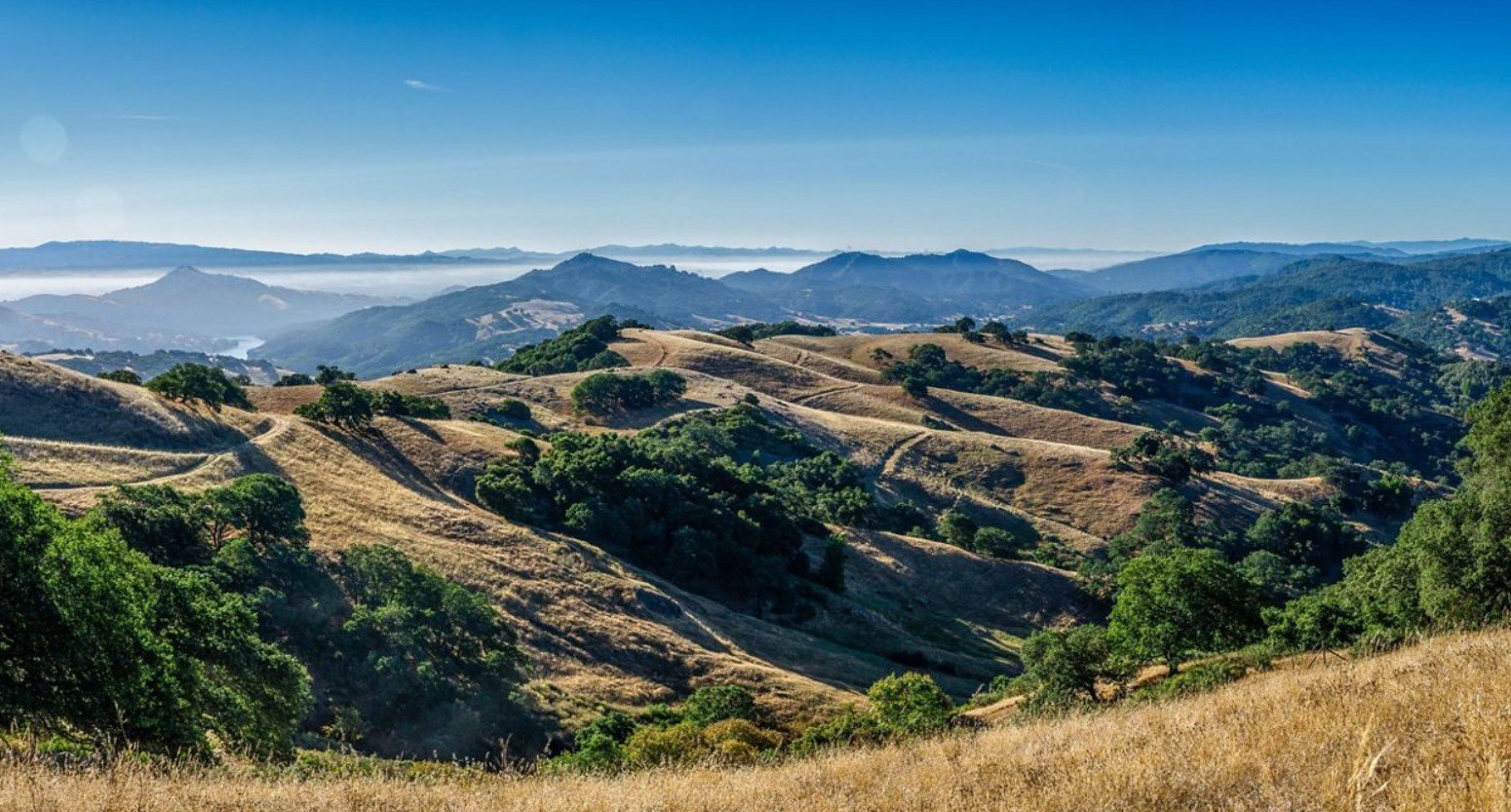
Santa Clara Valley is a broad valley in Northern California, best known as the historic home of Silicon Valley. Located south of San Francisco Bay, it combines a major urban and technology center with agricultural land, surrounding mountain ranges, parks, and a long cultural history.
Before becoming internationally associated with the technology industry, the valley was widely known for its fertile farmland and orchards. Today, cities such as San Jose, Santa Clara, Sunnyvale, and Cupertino occupy much of the valley, while natural open spaces and the Diablo Range and Santa Cruz Mountains remain important parts of its landscape.
| Fact | Details |
|---|---|
| Location | Northern California, south of San Francisco Bay |
| Country | United States |
| Region | San Francisco Bay Area |
| Major City | San Jose |
| Famous For | Silicon Valley and its agricultural history |
| Main Waterway | Guadalupe River |
| Surrounding Ranges | Santa Cruz Mountains and Diablo Range |
| Climate | Mediterranean |
| Best Months | April to June and September to November |
| Nearby Major City | San Francisco |
Where Is Santa Clara Valley?
Santa Clara Valley is located in Northern California at the southern end of the San Francisco Bay Area. It extends through much of Santa Clara County and includes several major cities, with San Jose serving as the region’s largest urban center.
The valley is bordered by the Santa Cruz Mountains to the west and the Diablo Range to the east. San Francisco lies to the northwest, while the communities of Gilroy and Morgan Hill are located toward the southern part of the broader valley region.
Its location within the Bay Area makes Santa Clara Valley highly accessible by major highways, regional rail, public transportation, and San Jose Mineta International Airport.
Geography and Landscape
Santa Clara Valley is a lowland basin shaped by the broader geological processes of California’s Coast Ranges. The valley floor is relatively flat compared with the mountains on either side, and its landscape has been heavily transformed by urban and suburban development.
The Guadalupe River flows through the northern part of the valley toward San Francisco Bay. Other waterways and creeks descend from the surrounding hills and mountains, supporting riparian habitats and historically contributing to the valley’s agricultural productivity.
Although the region is strongly urbanized, the surrounding landscape still includes oak woodland, grassland, foothills, reservoirs, and protected open spaces. The Santa Cruz Mountains rise along the western side, while the Diablo Range forms much of the eastern boundary.
History of Santa Clara Valley
Santa Clara Valley has a long Indigenous history. The region was home to Ohlone-speaking peoples, including communities associated with the Tamien territory in the Santa Clara Valley. Indigenous people lived in the area long before European settlement and maintained communities based on the region’s natural resources.
Spanish colonization brought major changes during the late eighteenth century. Mission Santa Clara de Asís was founded in 1777, becoming one of the important Spanish missions in Alta California. The mission period was followed by Mexican rule and the establishment of large ranchos.
After California became part of the United States, agriculture expanded significantly. During the nineteenth and early twentieth centuries, Santa Clara Valley became famous for fruit orchards, earning the nickname the “Valley of Heart’s Delight.” Cherries, apricots, prunes, and other crops supported a major agricultural economy.
During the twentieth century, electronics, engineering, and technology companies increasingly transformed the region. Stanford University and research institutions in the wider Bay Area contributed to technological development, and the term Silicon Valley eventually became closely associated with Santa Clara Valley and surrounding communities. Urban growth gradually replaced much of the historic orchard landscape.
How Was Santa Clara Valley Formed?
Santa Clara Valley developed through tectonic activity associated with the complex movement of Earth’s crust along the California Coast Ranges. Faulting and uplift helped create the surrounding mountain ranges and lower valley areas.
Over long periods, erosion carried sediment from the Santa Cruz Mountains and Diablo Range into the valley. Streams and rivers deposited these materials across the basin, contributing to the relatively level alluvial landscape that later supported extensive agriculture and urban development.
Santa Clara Valley Weather Throughout the Year
Santa Clara Valley has a Mediterranean climate characterized by mild, wetter winters and warm, dry summers. Weather conditions vary somewhat between the northern and southern parts of the valley and according to elevation.
January to March
Winter and early spring are generally the coolest and wettest periods. Daytime temperatures are often mild, while nights can feel cool. Most of the region’s annual rainfall occurs during these months.
April to June
Spring brings warmer temperatures and increasingly dry conditions. April and May are usually pleasant for outdoor activities, while June often marks the beginning of consistently drier summer weather.
July to September
Summer is typically warm and dry, with hotter conditions possible in inland and southern parts of the valley. Coastal influence can moderate temperatures in some northern areas, while evenings are often more comfortable than the daytime.
October to December
Autumn begins with dry and often warm weather before cooler conditions arrive later in the season. Rainfall usually becomes more likely during November and December as the winter pattern returns.
Best Weather for Visiting Santa Clara Valley
April through June and September through November generally offer comfortable conditions for sightseeing, parks, and outdoor activities. Summer is also suitable for visiting, although inland temperatures can become noticeably warmer.
Things to Do in Santa Clara Valley
Explore Silicon Valley Landmarks
Visitors can explore the cities and institutions associated with the global technology industry. Museums and public spaces provide insight into the region’s technological development.
Visit Historic Downtown Areas
Downtown San Jose and other historic communities offer museums, cultural sites, restaurants, and architecture connected to the valley’s past and present.
Enjoy Hiking and Open Spaces
The foothills and regional parks around the valley provide opportunities for hiking, walking, cycling, and nature observation.
Visit Wineries
The Santa Clara Valley wine region includes vineyards and wineries, particularly in the southern part of the valley and nearby foothills.
Explore Local Museums
Museums in San Jose and Santa Clara cover subjects ranging from technology and innovation to local history and art.
Attend Sports and Entertainment Events
The valley is home to major sports venues, concert facilities, and seasonal events, particularly around San Jose and Santa Clara.
Famous Attractions in and Around Santa Clara Valley
Mission Santa Clara de Asís
Located on the campus of Santa Clara University, this historic mission reflects the region’s Spanish colonial period and remains an important cultural landmark.
The Tech Interactive
Located in downtown San Jose, this science and technology center features interactive exhibits focused on innovation and scientific discovery.
Winchester Mystery House
This well-known historic house in San Jose is famous for its unusual architecture and the stories surrounding its construction.
Santana Row
Santana Row is a major shopping, dining, and entertainment district in San Jose, known for its pedestrian-friendly design.
Computer History Museum
Located in nearby Mountain View, the museum documents the development of computing and the technology industry.
Alum Rock Park
One of California’s oldest municipal parks, Alum Rock Park provides trails, natural scenery, and access to the foothills east of San Jose.
Santa Clara University and Mission District
The university campus and surrounding historic area connect visitors with the region’s educational and mission-era history.
Wildlife and Nature
Despite extensive urban development, Santa Clara Valley supports a variety of natural habitats. Oak woodland, grassland, riparian corridors, wetlands, and foothill environments occur in and around the valley.
Wildlife in the wider region includes mule deer, coyotes, bobcats, gray foxes, and numerous bird species. Wetland and creek habitats provide important areas for migratory and resident birds. Conservation organizations and public agencies continue to protect open spaces, watersheds, and remaining natural habitats around the valley.
How to Reach Santa Clara Valley
San Jose Mineta International Airport is the main airport serving Santa Clara Valley and provides domestic and international connections. San Francisco International Airport and Oakland International Airport are additional options for travelers visiting the wider Bay Area.
Major highways include U.S. Route 101 and Interstate 280, while State Route 17 provides an important connection toward Santa Cruz. Interstate 880 also serves parts of the northern valley.
Public transportation includes Caltrain, which connects San Jose and other Peninsula communities with San Francisco, as well as VTA light rail and bus services within Santa Clara County. Amtrak services are also available through the San Jose area.
Where to Stay Near Santa Clara Valley
San Jose is the most convenient base for visitors who want access to the central and southern parts of Santa Clara Valley. The city offers a wide range of hotels, from business-oriented accommodation to larger full-service properties.
Santa Clara and Sunnyvale are convenient choices for travelers visiting technology campuses, entertainment venues, and northern parts of the valley. Mountain View and Cupertino also offer accommodation options in the wider Silicon Valley area.
For visitors interested in vineyards, rural scenery, or the southern valley, Morgan Hill and Gilroy provide alternatives with access to nearby wineries and open spaces.
Why Is Santa Clara Valley Famous?
Santa Clara Valley is famous primarily as the historic and geographic heart of Silicon Valley, one of the world’s most influential technology regions. It is also recognized for its transformation from the orchard-filled “Valley of Heart’s Delight” into a major urban center while retaining important links to California’s Indigenous, Spanish, Mexican, agricultural, and technological history.
Santa Clara Valley FAQs
Where is Santa Clara Valley located?
Santa Clara Valley is in Northern California at the southern end of the San Francisco Bay Area, centered largely around San Jose and Santa Clara County.
What is Santa Clara Valley famous for?
It is best known as the historic heart of Silicon Valley and for its earlier agricultural identity as the “Valley of Heart’s Delight.”
What is the weather like in Santa Clara Valley?
The valley has a Mediterranean climate with mild, wetter winters and warm, dry summers.
What are the best months to visit Santa Clara Valley?
Spring and autumn generally offer comfortable weather for sightseeing and outdoor activities, particularly from April to June and September to November.
What can you do in Santa Clara Valley?
Visitors can explore technology and history museums, visit wineries, hike in nearby open spaces, enjoy entertainment districts, and discover historic landmarks.
How do you reach Santa Clara Valley?
San Jose Mineta International Airport provides direct air access, while major highways, Caltrain, VTA services, and Amtrak connect the region with other parts of California.
Is Santa Clara Valley the same as Silicon Valley?
Santa Clara Valley forms the central geographic area commonly associated with Silicon Valley, although the modern technology region extends beyond the valley itself.
Final Thoughts
Santa Clara Valley offers an unusual combination of technology, history, urban life, agriculture, and natural landscapes. Whether exploring its Silicon Valley identity, mission-era heritage, wineries, museums, or surrounding open spaces, visitors can discover a region that has played an important role in California’s development.
For More Visit Stay And Update
