
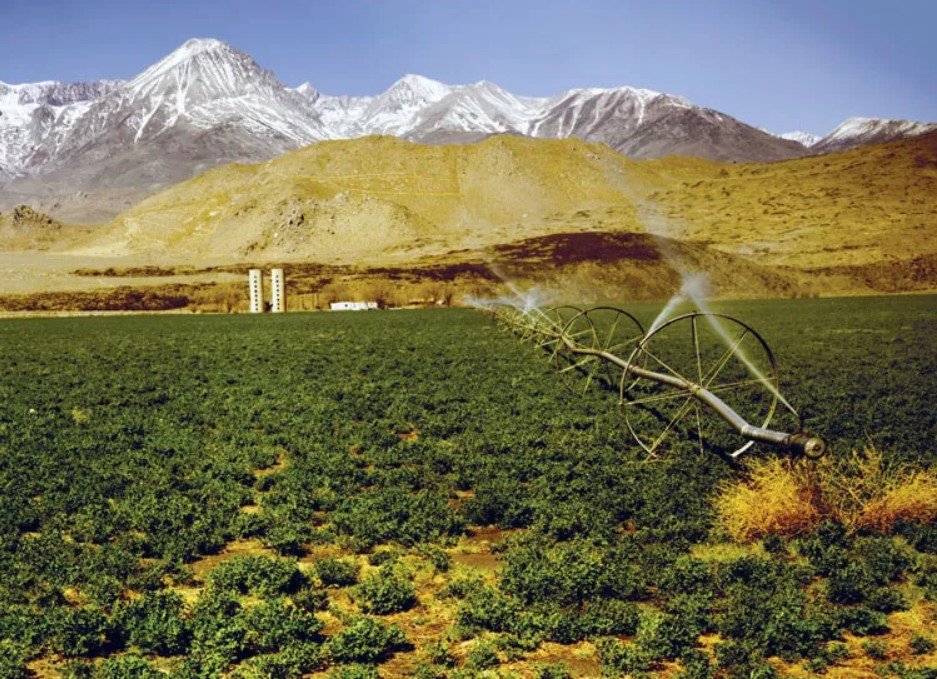
Imperial Valley is a productive desert valley in southeastern California, known for its large-scale agriculture, warm climate, borderland culture, and distinctive landscapes. Unlike California’s famous mountain valleys, this region is shaped by irrigation, fertile soils, and the nearby Salton Sea.
The valley offers a different side of Southern California, combining working farmland with desert recreation, wildlife areas, historic communities, and easy access to natural attractions. Its location near Mexico and Arizona also gives Imperial Valley an important cultural and economic role.
| Fact | Details |
|---|---|
| Location | Southeastern California |
| Country | United States |
| Region | Imperial County / Colorado Desert region |
| Main City | El Centro |
| Main Water Source | Colorado River via the All-American Canal |
| Famous For | Agriculture, desert landscapes and borderland culture |
| Climate | Hot desert climate |
| Best Months | November to March |
| Nearby Attractions | Salton Sea, Algodones Dunes and Anza-Borrego region |
Where Is Imperial Valley?
Imperial Valley is located in southeastern California, primarily within Imperial County. It lies near the borders of Mexico and Arizona and forms part of the broader Colorado Desert region.
El Centro is the valley’s largest city and an important commercial center. Other communities include Calexico, Brawley, Imperial, Holtville, Calipatria, and Westmorland. The Mexican city of Mexicali sits directly across the international border from Calexico.
The valley is surrounded by desert and mountain landscapes, with the Salton Sea to the north and the Mexican border to the south. Its location makes it an important agricultural and transportation region in Southern California.
Geography and Landscape
Imperial Valley is a broad, low-lying basin within the Salton Trough, a geological region extending from Southern California toward the Gulf of California. Much of the valley floor is relatively flat, which has made large-scale agriculture possible.
The Colorado River is the valley’s essential water source, although the river itself does not flow directly through most of the agricultural landscape. Water is delivered through an extensive irrigation system centered on the All-American Canal and related canals.
The surrounding landscape changes quickly beyond the cultivated areas. Desert terrain, dry washes, rugged mountains, and sand dunes are found around the valley. The Algodones Dunes, located to the east, form one of the region’s most dramatic natural landscapes.
The northern part of the Imperial Valley is closely connected to the Salton Sea, a large inland saline lake. Together, farmland, desert, canals, and saline environments create a landscape very different from California’s coastal or mountain valleys.
History of Imperial Valley
Long before modern agricultural development, Indigenous peoples lived throughout the wider desert region and adapted to its demanding environment. The Quechan, Kumeyaay, Cahuilla, and other Indigenous communities have longstanding connections to areas surrounding the Imperial and Colorado River regions.
Modern development accelerated during the late nineteenth and early twentieth centuries, when entrepreneurs and settlers recognized the agricultural potential of the fertile desert basin. The main challenge was securing a dependable water supply.
Large irrigation projects eventually diverted Colorado River water into the valley, allowing farming communities to expand. The Imperial Valley became one of California’s important agricultural regions, producing a wide range of crops throughout the year.
The region has also experienced major challenges from flooding and water management. In the early twentieth century, uncontrolled Colorado River flows contributed to the creation and expansion of the Salton Sea after water entered the Salton Basin.
Today, agriculture remains central to the valley’s identity, while cross-border trade, renewable energy, tourism, and environmental issues also play important roles in the region’s development.
How Was Imperial Valley Formed?
Imperial Valley formed as part of the Salton Trough, a tectonically active region associated with the boundary between the Pacific and North American tectonic plates. Movement along faults and long-term crustal stretching helped create the low basin.
Over thousands of years, sediments carried by the Colorado River filled parts of the basin. The river repeatedly changed course across the region, depositing fertile material that later contributed to the valley’s productive agricultural soils.
The modern landscape has also been strongly influenced by human engineering. Irrigation canals transformed much of the naturally arid basin into intensively cultivated farmland.
Imperial Valley Weather Throughout the Year
Imperial Valley has a hot desert climate characterized by very hot summers, mild winters, abundant sunshine, and limited rainfall. Temperatures can vary significantly between the hottest summer months and cooler winter nights.
January to March
Winter and early spring bring the most comfortable daytime conditions. January is generally mild during the day but can become cool at night. By March, temperatures begin rising as the region moves toward the hotter part of the year.
This period is popular for outdoor activities and sightseeing.
April to June
Spring quickly transitions into intense heat. April is often warm, while May and June can bring very high daytime temperatures. Outdoor activities are more comfortable during early morning or later in the day.
Rainfall remains limited, and sunny conditions are common.
July to September
Summer is extremely hot, with daytime temperatures frequently reaching or exceeding 100°F (38°C). July and August are typically the hottest months.
Humidity is generally low, although moisture associated with the North American monsoon can occasionally bring clouds, thunderstorms, and localized rainfall during late summer.
October to December
Temperatures gradually become more comfortable during autumn. October can still be hot, but November and December bring milder daytime conditions and cooler nights.
This is one of the better periods for exploring outdoor attractions around the valley.
Best Weather for Visiting Imperial Valley
November through March generally offers the most comfortable weather for visiting Imperial Valley. Daytime temperatures are milder, making this period better suited to desert sightseeing, wildlife viewing, and outdoor exploration.
Things to Do in Imperial Valley
Explore Desert Landscapes
The region provides access to open desert scenery, dry washes, mountain views, and dune environments. Visitors can explore designated recreation areas while following local access rules.
Visit Wildlife Areas
Imperial Valley lies along important migratory routes for birds. Wildlife refuges and wetland areas provide opportunities for birdwatching, particularly during seasonal migrations.
Enjoy Off-Road Recreation
The Imperial Sand Dunes Recreation Area is a major destination for permitted off-highway vehicle use. The extensive dune system attracts visitors from across the region.
Discover Local Agriculture
The valley’s agricultural landscape is an important part of its identity. Driving through rural areas provides views of extensive farmland and irrigation infrastructure.
Visit the Salton Sea Region
The northern edge of the valley provides access to areas around the Salton Sea, where visitors can learn about the region’s unusual environmental and geological history.
Explore Local Communities
Cities such as El Centro and Calexico offer restaurants, shopping, museums, and opportunities to experience the area’s borderland culture.
Famous Attractions in and Around Imperial Valley
Imperial Sand Dunes Recreation Area
Also known as the Algodones Dunes, this vast dune field is one of the region’s best-known natural attractions and a major center for off-highway recreation.
Sonny Bono Salton Sea National Wildlife Refuge
Located near the southern end of the Salton Sea, this protected area provides important habitat for migratory birds and other wildlife.
Salton Sea
The Salton Sea is California’s largest lake by surface area and one of the most distinctive environmental landscapes in Southern California.
Anza-Borrego Desert State Park
Located west of Imperial Valley, this large desert park offers hiking, scenic drives, wildflower viewing during favorable years, and dramatic badlands.
Calexico
Calexico is a border city with strong cultural and economic connections to neighboring Mexicali, Mexico. It reflects the international character of the region.
Pioneers’ Park Museum
Located in Imperial, this museum focuses on the history and development of Imperial County and the people who helped establish the region.
Holtville
Known for its agricultural surroundings, Holtville offers a quieter view of rural Imperial Valley and hosts community events connected to the area’s farming traditions.
Wildlife and Nature
Although much of Imperial Valley is heavily cultivated, the region supports important desert and wetland ecosystems. Agricultural fields and managed water areas can provide feeding habitat for migratory birds.
The nearby Sonny Bono Salton Sea National Wildlife Refuge is particularly significant for birds traveling along the Pacific Flyway. Waterfowl, shorebirds, and other species use habitats around the Salton Sea and associated wetlands.
Desert areas surrounding the valley support species adapted to dry conditions, while vegetation varies from irrigated farmland to creosote scrub and dune ecosystems. Water availability and habitat conservation remain important environmental issues throughout the region.
How to Reach Imperial Valley
Imperial Valley is primarily accessed by road. Interstate 8 crosses the region and provides connections toward San Diego in the west and Arizona in the east.
California State Route 111 is another important route connecting communities within Imperial County and linking the region with the Coachella Valley and other parts of southeastern California.
Imperial County Airport serves the El Centro area, while larger commercial airports are available in cities such as San Diego and Palm Springs. Travelers from Mexico can access the region through the international border crossing between Mexicali and Calexico.
Driving is generally the most practical way to explore the valley and its surrounding attractions.
Where to Stay Near Imperial Valley
El Centro offers the widest range of hotels and visitor services in Imperial Valley. It is a practical base for travelers who want access to restaurants, shops, and major roads.
Calexico also provides accommodation options near the international border, while Brawley can be convenient for visitors exploring northern parts of the valley and areas closer to the Salton Sea.
Camping and recreation opportunities are available in selected desert and public recreation areas, including locations near the Imperial Sand Dunes. Availability and seasonal conditions can vary, especially during busy winter recreation periods.
Why Is Imperial Valley Famous?
Imperial Valley is famous for turning a naturally arid desert basin into one of California’s major agricultural regions through large-scale irrigation. It is also recognized for its extreme summer heat, international border location, desert recreation, migratory bird habitat, and proximity to the Salton Sea and Algodones Dunes.
Imperial Valley FAQs
Where is Imperial Valley located?
Imperial Valley is located in southeastern California, primarily within Imperial County, near the borders of Mexico and Arizona.
What is Imperial Valley famous for?
It is best known for agriculture, desert landscapes, irrigation from the Colorado River, the nearby Salton Sea, and the Imperial Sand Dunes.
What is the weather like in Imperial Valley?
The valley has a hot desert climate with extremely hot summers, mild winters, abundant sunshine, and limited rainfall.
What are the best months to visit Imperial Valley?
November through March generally provides the most comfortable weather for outdoor sightseeing and desert activities.
What can you do in Imperial Valley?
Visitors can explore desert areas, watch wildlife, enjoy off-road recreation in designated areas, visit local communities, and discover attractions around the Salton Sea.
How do you reach Imperial Valley?
Most visitors arrive by car using Interstate 8 or State Route 111. Imperial County Airport serves the El Centro area.
Does Imperial Valley get snow?
Snow is extremely rare on the valley floor because of its low elevation and hot desert climate.
Is Imperial Valley an agricultural region?
Yes. Agriculture is one of the valley’s defining industries, supported by irrigation water delivered primarily from the Colorado River.
Final Thoughts
Imperial Valley offers a distinctive combination of desert geography, productive farmland, borderland culture, and unusual natural attractions. It is especially interesting for travelers and researchers who want to understand how water, geology, agriculture, and human settlement have shaped one of California’s most distinctive valleys.
For More Visit Stay And Update
