
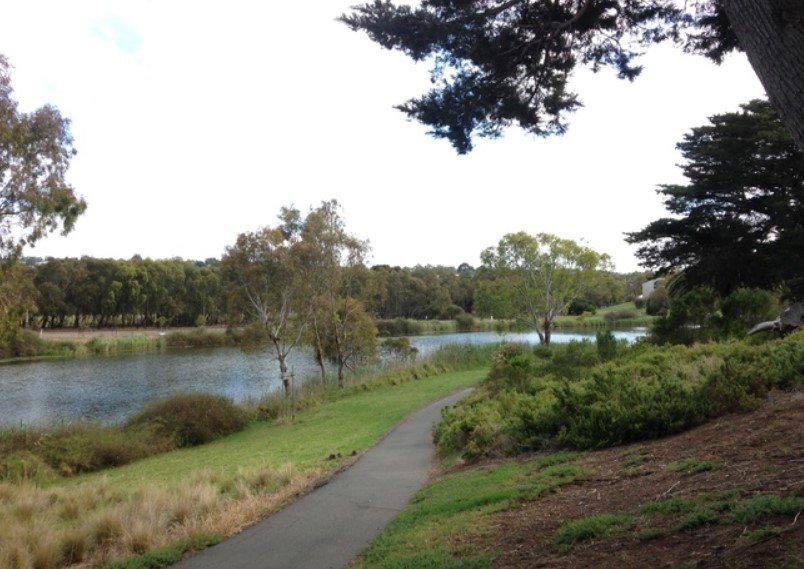
Barwon Valley is a distinctive river valley landscape in southern Victoria, Australia, centered around the Barwon River as it passes through the Geelong region. The valley combines waterways, open parklands, residential areas, wetlands, walking trails, and gently rising hills, creating a landscape closely connected with the development and daily life of Greater Geelong.
The valley is particularly associated with the suburbs of Belmont and Highton and the extensive recreational areas along the Barwon River. Its natural setting also reflects a much older landscape, shaped by waterways, changing sea levels, Aboriginal heritage, and geological processes. Today, the area is valued for riverside recreation, wildlife, community parks, sporting facilities, and its proximity to central Geelong.
Barwon Valley Quick Facts
| Fact | Details |
|---|---|
| Location | Greater Geelong, Victoria |
| Country | Australia |
| Region | Barwon region, southwestern Victoria |
| Main Waterway | Barwon River |
| Landscape | River valley, hills, grasslands, wetlands and urban parklands |
| Famous For | Barwon River, recreation, parks and natural scenery |
| Climate | Temperate oceanic climate |
| Best Months | Generally October to April |
| Nearby City/Town | Geelong |
| Traditional Country | Wadawurrung Country |
Where Is Barwon Valley?
Barwon Valley is located around the Barwon River in Greater Geelong, southwestern Victoria. The valley is most closely associated with the river corridor through suburbs including Belmont and Highton, although the broader Barwon River landscape extends considerably farther upstream and downstream.
Geelong’s city centre lies north of the valley, while Belmont and Highton occupy important sections of the landscape. The valley is connected to surrounding areas by major roads and bridges, making it an accessible natural and recreational area for both residents and visitors.
Geography and Landscape
The Barwon Valley is shaped primarily by the Barwon River and the surrounding terrain. Around Geelong, the river runs through a broad corridor of parkland, floodplain, wetlands, grasslands, and gently elevated land. The Barrabool Hills rise around parts of the western side of the river, creating a noticeable contrast between the valley floor and surrounding slopes.
The Barwon River itself rises in the Otway Ranges and travels approximately 160 kilometres before reaching the sea at Barwon Heads. Within Greater Geelong, its banks support extensive vegetation, walking and cycling paths, recreational reserves, and wildlife habitat.
The valley also contains evidence of its geological past. Areas such as Seaview Park in Belmont preserve limestone grassland associated with a period when higher sea levels meant that parts of the present-day Barwon Valley were closer to a coastal environment.
History of Barwon Valley
The Barwon Valley has a long Indigenous history. The wider Geelong area lies on Wadawurrung Country, and the Barwon River was an important source of food and other resources for Aboriginal communities. Fish and eels from the river and surrounding wetlands contributed to traditional food systems, while the river corridor provided an important route through the landscape.
European settlement expanded around the Barwon River during the nineteenth century. Belmont developed as an important settlement south of the river, while Highton grew across the hills overlooking the valley. Farming, grazing, orchards, vineyards, and other rural activities were once prominent before suburban development gradually transformed much of the surrounding land.
The river also influenced transportation and urban growth. Bridges and other crossings helped connect communities on opposite sides of the waterway, while the development of Geelong encouraged residential expansion into Belmont, Highton, and surrounding areas. In the twentieth century, the valley increasingly became a recreational and residential landscape.
How Was Barwon Valley Formed?
The Barwon Valley developed through the long-term interaction of the Barwon River with the surrounding geological landscape. River erosion and sediment deposition helped create the valley floor and floodplain, while changes in sea level and geological conditions influenced the broader landscape.
Around Belmont and Highton, elevated hills and escarpments overlook the river corridor. Limestone deposits in parts of the valley provide evidence of earlier marine conditions, showing that the landscape has changed considerably over geological time.
Barwon Valley Weather Throughout the Year
Barwon Valley has a temperate climate influenced by its proximity to the coast. Summers are generally mild to warm, winters are cooler, and rainfall occurs throughout the year rather than being restricted to one season.
January to March
Summer and early autumn are generally warm and suitable for outdoor recreation. Daytime temperatures commonly sit in the low to mid-20s Celsius, although hotter days can occur. Longer daylight hours make this a popular period for walking, cycling, picnicking, and riverside activities.
April to June
Temperatures gradually decline through autumn, with cooler evenings and increasing winter influence. Rainfall remains possible throughout the period, and vegetation around the river generally remains green compared with drier inland regions.
July to September
Winter is the coolest period, with daytime temperatures often around the mid-teens Celsius and colder nights. Rain and overcast conditions are more common, although prolonged extreme weather is uncommon. Early spring gradually brings longer days and rising temperatures.
October to December
Spring and early summer generally provide pleasant conditions, with warming temperatures and longer daylight. October and November are particularly attractive for enjoying local parks and walking trails as vegetation becomes more active.
Best Weather for Visiting Barwon Valley
October through April generally offers the most comfortable conditions for outdoor activities, particularly walking, cycling, picnicking, sightseeing, and exploring the riverside parks. Autumn can also be enjoyable for visitors who prefer cooler temperatures.
Things to Do in Barwon Valley
Walk or Cycle Along the Barwon River
The Barwon River Trail provides more than 20 kilometres of sealed paths connecting riverside parks, reserves, wetlands, and other attractions. It is one of the best ways to experience the valley at a relaxed pace.
Enjoy Riverside Parks
The valley contains numerous open spaces suitable for picnics, casual walks, family outings, and relaxation. Barwon Valley Park and nearby reserves provide easy access to the river environment.
Visit the Barwon Valley Fun Park
Located in Belmont beside the river, the Barwon Valley Fun Park provides playground facilities, shaded areas, picnic spaces, barbecues, and open areas suitable for families.
Go Birdwatching
The river corridor and nearby wetlands attract a wide range of native birds. Balyang Sanctuary is particularly useful for visitors interested in observing waterbirds and wetland habitats.
Try Fishing
The Barwon River is a popular recreational fishing location. Conditions and permitted fishing activities vary, so visitors should check current Victorian fishing regulations before fishing.
Enjoy Local Sporting Facilities
The valley has a strong sporting character, with rowing, cycling, athletics, cricket, and other recreational activities taking place around the river corridor and nearby facilities.
Famous Attractions in and Around Barwon Valley
Barwon River
The river is the defining natural feature of the valley and provides the setting for many of the region’s parks, trails, wetlands, and recreational areas.
Balyang Sanctuary
Balyang Sanctuary is a significant wetland and bird habitat along the Barwon River, offering visitors a quieter natural environment within the Greater Geelong area.
Buckley Falls
Buckley Falls is a notable riverside landmark where the Barwon River passes through a more rugged section of the valley. The surrounding reserve is popular for walking and scenic views.
Barwon Valley Park
This riverside park provides open recreational space and connects visitors with the broader network of trails and reserves along the river.
Seaview Park
Seaview Park in Belmont is notable for its limestone grassland, native vegetation, geological features, and elevated views toward the Barwon River.
Barwon Valley Activity Centre
The Barwon Valley Activity Centre in Belmont is a major indoor sporting and community facility south of the river and hosts sporting activities, events, and community markets.
Queens Park
Located upstream along the Barwon River, Queens Park combines riverside scenery with open recreational areas and provides another gateway to the valley’s walking and cycling network.
Wildlife and Nature
The Barwon Valley supports a mixture of river, wetland, grassland, and woodland environments. River Red Gums, Blackwoods, Silver Wattles, and other native vegetation occur along parts of the river corridor, while drier areas support additional native grasses and shrubs.
More than 100 bird species have been recorded along the Barwon River environment, including waterbirds such as the Nankeen Night Heron. Visitors may also encounter native water rats, known as rakali, and occasionally see platypuses or wallabies in suitable areas. Protecting river vegetation, wetlands, and native grasslands is an important part of maintaining the valley’s ecological character.
How to Reach Barwon Valley
Barwon Valley is easily reached from central Geelong by road. Major roads including Barwon Heads Road, Shannon Avenue, and routes through Belmont and Highton provide access to different parts of the valley.
Geelong is connected to Melbourne by the Princes Freeway and V/Line rail services, making the region accessible to visitors without a car. From central Geelong, local buses serve Belmont, Highton, and surrounding suburbs. Walking and cycling paths provide additional ways to move through the river corridor.
Where to Stay Near Barwon Valley
Visitors can stay in Geelong, Belmont, Highton, or nearby suburbs depending on their preferred location. Geelong offers the widest range of hotels, apartments, guesthouses, and other accommodation, while nearby residential areas provide additional short-stay options.
For visitors focused on the river and surrounding parks, staying around Belmont, Highton, or central Geelong provides convenient access to the Barwon River Trail and other attractions. Larger accommodation choices are also available elsewhere in Greater Geelong and along the coast toward Barwon Heads.
Why Is Barwon Valley Famous?
Barwon Valley is best known for its close relationship with the Barwon River and the combination of natural scenery, recreation, wildlife habitat, and established communities around Geelong. Its riverside trails, wetlands, parks, sporting facilities, and historic landscapes make it an important part of Greater Geelong’s environmental and community character.
Barwon Valley FAQs
Where is Barwon Valley located?
Barwon Valley is located around the Barwon River in Greater Geelong, Victoria, Australia, particularly around Belmont and Highton.
What is Barwon Valley famous for?
It is known for the Barwon River, riverside parks, walking and cycling trails, wetlands, wildlife, and recreational facilities.
What is the weather like in Barwon Valley?
The area has a temperate climate with warm summers, cool winters, and rainfall distributed throughout the year.
What are the best months to visit Barwon Valley?
October through April generally offers comfortable conditions for outdoor activities, although the valley can be visited throughout the year.
What can you do in Barwon Valley?
Visitors can walk or cycle beside the river, enjoy parks, go fishing, observe birds, visit wetlands, have picnics, and explore local attractions.
How do you reach Barwon Valley?
The valley is easily accessible from Geelong by road and local public transport. Geelong itself is connected to Melbourne by road and V/Line rail services.
Does Barwon Valley get snow?
Snow is extremely uncommon in the valley because of its relatively low elevation and temperate coastal climate.
What river runs through Barwon Valley?
The Barwon River runs through the valley and continues through Greater Geelong before reaching the sea at Barwon Heads.
Final Thoughts
Barwon Valley is a distinctive part of Greater Geelong where a major river, natural habitats, historic landscapes, parks, and established communities come together. Its accessible trails, wildlife areas, recreational spaces, and connection to the wider Barwon River make it an interesting destination for both visitors and anyone researching the geography and history of southwestern Victoria.
For More Visit Stay And Update
