
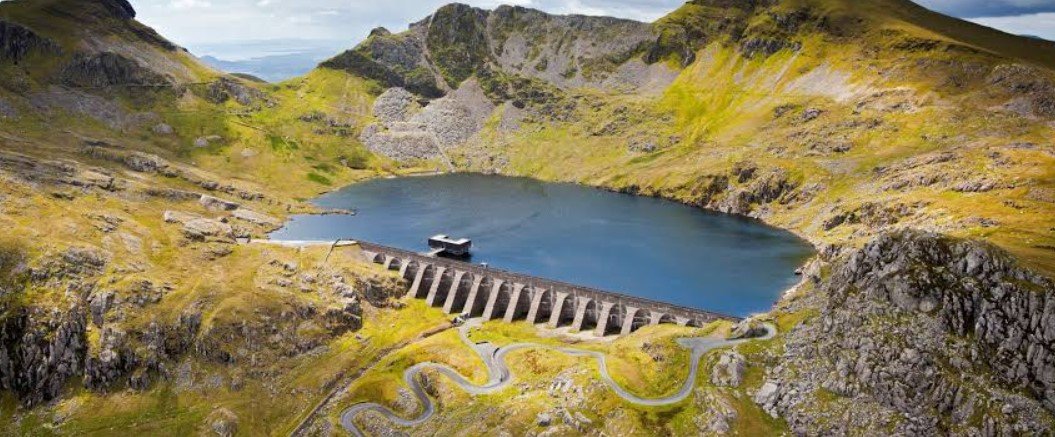
Ffestiniog Valley, also known as the Vale of Ffestiniog, is a scenic valley in North Wales where mountain scenery, rivers, forests, and a remarkable slate-mining heritage come together. Located in the heart of Eryri (Snowdonia), the valley stretches westward from the Blaenau Ffestiniog area toward Maentwrog and the lower Dwyryd valley.
Unlike valleys known mainly for dramatic natural scenery, Ffestiniog Valley has a strong industrial identity. Its mountains and hills were extensively quarried for slate, and the industry shaped local communities, transport routes, architecture, and the surrounding landscape. Today, visitors come for walking, heritage railways, outdoor adventures, historic quarry sites, and the peaceful countryside around the River Dwyryd.
Ffestiniog Valley Quick Facts
| Fact | Details |
|---|---|
| Location | Gwynedd, North Wales |
| Country | Wales, United Kingdom |
| Region | Eryri (Snowdonia) |
| Landscape | Mountain valley, woodland, river valley and former quarry landscape |
| Main River | Afon Dwyryd |
| Famous For | Welsh slate, Ffestiniog Railway and mountain scenery |
| Climate | Cool, wet maritime climate |
| Best Months | May to September for generally milder outdoor conditions |
| Nearby Towns | Blaenau Ffestiniog, Porthmadog and Harlech |
| UNESCO Connection | Part of the Slate Landscape of Northwest Wales World Heritage Site |
Where Is Ffestiniog Valley?
Ffestiniog Valley is in Gwynedd in North Wales, within and around the southern part of Eryri National Park. The valley is closely associated with Blaenau Ffestiniog at its eastern end and continues westward through areas including Tanygrisiau and Maentwrog.
The valley lies between the mountainous Moelwynion area and surrounding uplands. The lower part of the valley eventually connects with the Dwyryd estuary and the wider coastal landscape near Porthmadog. Blaenau Ffestiniog is the principal town in the upper valley, while Porthmadog provides an important nearby coastal center.
Geography and Landscape
The physical character of Ffestiniog Valley changes noticeably along its length. Around Blaenau Ffestiniog, the landscape is dominated by steep hills, exposed rock, slate tips, former quarry workings, and mountain terrain. Farther west, the surroundings become greener and more wooded as the valley opens toward the Dwyryd.
The Afon Dwyryd is the valley’s principal river. Its catchment includes streams descending from the mountains around Ffestiniog, while the Afon Cynfal contributes water from a wooded gorge south of the town. Woodland, pasture, rocky slopes, lakes, reservoirs, and mountain ridges create a varied landscape.
The valley also contains extensive evidence of human alteration. Quarry faces, spoil heaps, old tramways, tunnels, inclines, and abandoned industrial structures remain visible across the hills, creating a distinctive combination of natural and industrial scenery.
History of Ffestiniog Valley
Ffestiniog Valley has a long history of farming and settlement, but its modern identity was transformed by the growth of the Welsh slate industry. During the nineteenth century, the quarries around Blaenau Ffestiniog expanded rapidly as demand for roofing slate increased in Britain and overseas.
The quarry industry brought workers, businesses, houses, transport infrastructure, and communities into the valley. Blaenau Ffestiniog grew into a major slate-producing center, earning a reputation for the quality and quantity of its slate.
Transport was essential to the industry. The Ffestiniog Railway was originally built to carry slate from the quarries at Blaenau Ffestiniog to the port of Porthmadog. The railway became an important engineering achievement and is now a major heritage attraction.
The area’s industrial heritage is now recognized internationally. Ffestiniog forms part of the Slate Landscape of Northwest Wales, designated a UNESCO World Heritage Site in recognition of the cultural landscape created by the historic slate industry.
How Was Ffestiniog Valley Formed?
The natural valley was shaped by geological processes and glacial activity associated with the mountains of North Wales. Ice and meltwater helped carve and modify the valleys, while rivers continued to erode and transport material through the landscape.
The area’s underlying rocks also played a major role in its later history. The slate-bearing geology provided the resource that supported centuries of quarrying, particularly around Blaenau Ffestiniog. As a result, the present landscape reflects both natural erosion and extensive human excavation.
Ffestiniog Valley Weather Throughout the Year
Ffestiniog Valley has a cool, wet maritime climate typical of mountainous North Wales. Weather can change quickly, particularly in exposed upland areas, and rainfall is an important feature throughout the year.
January to March
Winter is generally cool, wet, and unsettled. Frost and occasional snow are possible, particularly on higher ground, while low cloud and strong winds can affect mountain routes. Daylight hours are short, so outdoor plans require extra flexibility.
April to June
Spring brings gradually longer days and milder temperatures, although rain remains common. Higher ground can stay cool even when conditions in the valley are pleasant. May and June are increasingly suitable for walking and sightseeing.
July to September
Summer is usually the warmest period, but Ffestiniog Valley does not have a consistently dry summer climate. Rain showers can occur, and mountain weather may differ considerably from conditions in nearby towns. Longer daylight hours make this a popular period for outdoor activities.
October to December
Autumn becomes cooler and wetter, with shorter days and more unsettled weather. October can provide attractive woodland colors, while November and December bring more frequent winter-like conditions and the possibility of snow at higher elevations.
Best Weather for Visiting Ffestiniog Valley
May through September generally offers the most convenient conditions for walking, cycling, sightseeing, and exploring the valley outdoors. However, visitors should be prepared for rain at any time of year because of the region’s mountainous maritime climate.
Things to Do in Ffestiniog Valley
- Ride a heritage railway: Travel through the mountains aboard the historic Ffestiniog Railway between Blaenau Ffestiniog and Porthmadog.
- Hike in the Moelwynion: Walking routes lead into the surrounding mountains, offering opportunities for experienced hikers and shorter countryside walks.
- Explore slate landscapes: Discover old quarry workings, industrial remains, tracks, and mountain scenery around Blaenau Ffestiniog.
- Go mountain biking: The area around Blaenau Ffestiniog has developed into a destination for downhill and off-road cycling.
- Visit underground caverns: Former slate workings provide opportunities to explore the area’s industrial past below ground.
- Enjoy photography: River valleys, forests, waterfalls, mountains, and abandoned quarry landscapes offer varied subjects.
- Explore local villages: Tanygrisiau, Maentwrog, and surrounding communities provide a quieter way to experience the valley and its heritage.
Famous Attractions in and Around Ffestiniog Valley
Ffestiniog Railway
The historic Ffestiniog Railway runs between Porthmadog and Blaenau Ffestiniog. Originally created to transport slate, it now carries visitors through forests, mountains, lakes, and the historic quarrying landscape.
Llechwedd
Llechwedd near Blaenau Ffestiniog provides access to former slate workings and underground caverns. Its attractions combine industrial heritage with modern adventure experiences.
Cwmorthin Valley and Lake
Near Tanygrisiau, Cwmorthin contains the remains of a former slate-quarrying community alongside Cwmorthin Lake. The surrounding landscape provides a strong impression of the area’s industrial past.
Tanygrisiau Reservoir
Tanygrisiau Reservoir sits within the mountainous landscape near Blaenau Ffestiniog. Its water and surrounding hills contribute to one of the valley’s more dramatic natural settings.
Cynfal Falls
The Afon Cynfal passes through a wooded gorge south of Ffestiniog, creating waterfalls and rocky scenery that contrast with the more open mountain landscape higher in the valley.
Plas Tan y Bwlch
This historic house near Maentwrog was associated with the Oakley family, prominent quarry owners in the region. It now serves as an environmental study center and sits within an attractive wooded landscape.
Antur Stiniog
Located in Blaenau Ffestiniog, Antur Stiniog has helped establish the area as a mountain-biking destination, making use of the steep terrain created by the surrounding landscape.
Wildlife and Nature
The valley supports a mixture of woodland, river habitats, upland grassland, heath, and rocky mountain environments. The Dwyryd and its tributaries provide important aquatic and riverside habitats, while wooded areas support birds, insects, and small mammals.
Higher ground has a more exposed character, with vegetation adapted to cooler and wetter conditions. The surrounding Eryri landscape is also important for conservation, with efforts aimed at protecting habitats, waterways, wildlife, and the distinctive mountain environment.
How to Reach Ffestiniog Valley
Blaenau Ffestiniog is the main transport hub for the upper valley. The A470 provides the principal road connection, linking the town with other parts of North Wales. The A487 connects the wider region with Porthmadog and the west coast.
Rail travel is another major feature. Blaenau Ffestiniog is served by the Conwy Valley Line, connecting it with Llandudno Junction, while the heritage Ffestiniog Railway provides a separate scenic connection to Porthmadog. Regional bus services also connect Blaenau Ffestiniog with surrounding communities.
Mountain roads can be narrow and conditions may change during periods of heavy rain, strong winds, or winter weather.
Where to Stay Near Ffestiniog Valley
Blaenau Ffestiniog is the most practical base for visitors who want easy access to the upper valley, quarry attractions, walking routes, and transport connections. Accommodation includes hotels, guesthouses, self-catering properties, and holiday cottages.
Tanygrisiau and Maentwrog provide quieter countryside options, while Porthmadog offers a larger selection of accommodation and services farther west. Camping and outdoor accommodation are also available in the broader Eryri area, subject to seasonal availability and local regulations.
Why Is Ffestiniog Valley Famous?
Ffestiniog Valley is famous for its connection to the Welsh slate industry and the historic Ffestiniog Railway, but its appeal extends beyond industrial heritage. The combination of rugged Moelwynion mountains, wooded river valleys, waterfalls, lakes, quarry landscapes, and Welsh communities gives the area a distinctive character found in few other parts of Wales.
Ffestiniog Valley FAQs
Where is Ffestiniog Valley located?
Ffestiniog Valley is in Gwynedd, North Wales, within the Eryri region. Blaenau Ffestiniog sits at its eastern end, while the valley extends westward toward Maentwrog and the Dwyryd estuary.
What is Ffestiniog Valley famous for?
It is particularly known for Welsh slate quarrying, the Ffestiniog Railway, mountain scenery, and its place within the Slate Landscape of Northwest Wales World Heritage Site.
What is the weather like in Ffestiniog Valley?
The valley has a cool, wet maritime climate. Rain is possible throughout the year, while higher mountain areas can experience colder and more changeable conditions.
What are the best months to visit Ffestiniog Valley?
May through September generally offers longer days and milder conditions for outdoor activities, although the area can be visited throughout the year.
What can you do in Ffestiniog Valley?
Visitors can ride the Ffestiniog Railway, hike, mountain bike, explore former slate quarries, visit underground attractions, photograph the landscape, and explore local villages.
How do you reach Ffestiniog Valley?
Blaenau Ffestiniog is accessible by road via the A470 and by rail through the Conwy Valley Line. The heritage Ffestiniog Railway connects the town with Porthmadog.
Does Ffestiniog Valley get snow?
Snow can occur during winter, particularly on the surrounding mountains and higher ground. Conditions vary from year to year, and low-level snowfall is less consistent.
What attractions are near Ffestiniog Valley?
Major attractions include Ffestiniog Railway, Llechwedd, Cwmorthin Valley, Tanygrisiau Reservoir, Cynfal Falls, Plas Tan y Bwlch, and the outdoor facilities around Blaenau Ffestiniog.
Final Thoughts
Ffestiniog Valley offers a distinctive view of North Wales where natural mountain scenery and industrial heritage exist side by side. Its slate quarries, historic railway, rivers, woodlands, and surrounding peaks make it an interesting destination for visitors who want more than traditional countryside scenery.
For More Visit Stay And Update
