
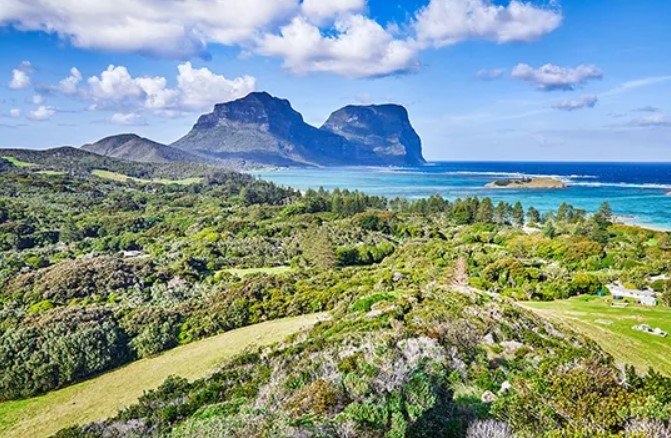
Bega Valley is a scenic region in southeastern New South Wales, Australia, where rolling farmland, river valleys, forests, mountains, lakes, and the Pacific coastline come together. Centered around the town of Bega and the Bega River, the area forms part of the wider Sapphire Coast and is known for its agricultural heritage and diverse natural landscapes.
The valley offers a combination of rural and coastal experiences that is unusual for a relatively compact region. Dairy farming, historic towns, Aboriginal cultural heritage, national parks, beaches, estuaries, and marine environments all contribute to its character. It is also an important gateway to the broader Sapphire Coast, with towns such as Merimbula, Eden, Bermagui, and Tathra nearby.
Bega Valley Quick Facts
| Fact | Details |
|---|---|
| Location | Southeastern New South Wales |
| Country | Australia |
| Region | South Coast / Sapphire Coast |
| Main River | Bega River |
| Elevation | Low-lying valley floor with surrounding hills and mountains |
| Famous For | Dairy farming, Bega cheese, natural landscapes and Sapphire Coast |
| Climate | Cool marine temperate |
| Best Months | September to May |
| Nearby City/Town | Bega, Merimbula, Tathra and Eden |
Where Is Bega Valley?
Bega Valley is located in the southeastern corner of New South Wales, on Australia’s South Coast. The valley is centered on Bega and follows the Bega River system toward the coast around Tathra and Mogareeka.
The broader Bega Valley region extends from inland hills and mountain country to the Pacific Ocean. Bega is the principal inland town, while Merimbula, Tathra, Bermagui, and Eden provide access to coastal parts of the wider area. Canberra is the nearest major inland city, while Sydney and Melbourne are the two major metropolitan gateways from farther away.
Geography and Landscape
The physical character of the Bega Valley changes considerably from west to east. Inland areas contain gently rolling hills, agricultural land, forests, and river systems, while the landscape becomes more coastal toward the Pacific.
The Bega River is the valley’s principal waterway. Its catchment includes numerous tributaries and eventually reaches the coast through the Bega River estuary near Tathra. The surrounding terrain includes fertile river flats, wooded hills, coastal lakes, beaches, rocky headlands, and mountain ranges.
The wider Bega Valley Shire covers more than 6,200 square kilometres, with a large proportion protected as national park, state forest, or public reserve. This extensive protected landscape helps preserve the region’s forests, waterways, wildlife habitats, and coastal environments.
History of Bega Valley
The Bega Valley has a long Indigenous history. The Yuin-Monaro Nations are the Traditional Owners of the region, with cultural connections extending across its mountains, rivers, coastline, forests, and waterways. Aboriginal knowledge and cultural traditions remain an important part of the area’s identity.
European settlement expanded during the nineteenth century, with agriculture becoming central to the local economy. Dairy farming became particularly important, supported by the valley’s grasslands and relatively mild climate. The development of the dairy industry eventually led to Bega becoming strongly associated with cheese production.
The Bega Co-operative Creamery Company was established in the late nineteenth century, and the original Bega Cheese factory opened in 1900. Agriculture, fishing, forestry, and later tourism all contributed to the development of the wider region.
Today, historic buildings, museums, cultural sites, agricultural businesses, and coastal settlements provide reminders of the valley’s changing economic and social history.
How Was Bega Valley Formed?
The Bega Valley developed through long-term geological processes involving erosion, weathering, uplift, and the movement of water across the South Coast landscape. The Bega River and its tributaries gradually shaped the valley and surrounding lowlands.
The wider region contains a mixture of geological formations, including extensive granitic landscapes and older sedimentary and metamorphic rocks. Erosion and river processes have created the rolling hills and fertile valley floors that support agriculture today.
Bega Valley Weather Throughout the Year
Bega Valley has a cool marine-temperate climate, with warm summers, cool winters, and rainfall spread throughout the year. Conditions vary between inland Bega and the more maritime coastal areas, but the region generally avoids the extreme temperatures experienced in Australia’s inland regions.
January to March
Summer is warm and generally suitable for outdoor activities. Average maximum temperatures around Bega are approximately 25–27°C, with January and February among the warmest months. Rainfall remains possible throughout summer, with March typically receiving relatively high rainfall.
April to June
Autumn brings gradually cooler conditions. Daytime temperatures commonly fall from the low 20s Celsius in April toward the mid-to-high teens by June. Nights become noticeably colder, while rainfall continues throughout the season.
July to September
Winter is the coolest period. Bega’s average daytime temperatures are around 17–18°C, while winter nights can become quite cold and occasionally fall close to freezing. Rainfall tends to be lower in July and August before spring temperatures begin rising.
October to December
Spring and early summer bring warmer days and longer periods of sunshine. Average maximum temperatures rise from around 20°C in September to approximately 25°C in December. Rainfall remains possible, helping maintain the valley’s green agricultural landscapes.
Best Weather for Visiting Bega Valley
September through May generally offers comfortable conditions for combining inland sightseeing with coastal activities. Spring brings mild temperatures and green landscapes, while summer is particularly appealing for visitors planning to explore the beaches, lakes, and coastal towns.
Things to Do in Bega Valley
- Explore local walking trails: Bushwalking routes provide access to forests, coastal reserves, rivers, and national parks.
- Enjoy water activities: The region’s lakes, rivers, estuaries, and coastline support swimming, kayaking, boating, fishing, and other water-based recreation.
- Visit dairy country: Agricultural landscapes around Bega offer an opportunity to learn about the area’s long-established dairy industry.
- Explore coastal towns: Merimbula, Tathra, Bermagui, and Eden each offer different beaches, harbours, food, and cultural experiences.
- Watch marine wildlife: The coastal waters are especially well known for seasonal humpback whale movements.
- Experience local culture: Museums, galleries, markets, and Aboriginal cultural sites provide insight into the region’s heritage.
- Enjoy scenic drives: Roads connecting the valley with the Sapphire Coast pass through farmland, forests, coastal scenery, and small communities.
Famous Attractions in and Around Bega Valley
Bega Cheese Heritage Centre
Located in Bega, this attraction explores the region’s dairy and cheesemaking history and its connection with the Bega Cheese brand.
Bega Pioneers Museum
Housed in one of Bega’s historic buildings, the museum contains collections covering local life, transport, military history, domestic objects, and early settlement.
Mimosa Rocks National Park
This coastal park combines beaches, rocky headlands, forests, lagoons, and walking opportunities north of Tathra.
Bournda National Park
Located near Tathra and Merimbula, Bournda protects coastal landscapes, forests, lakes, wetlands, and beaches.
Biamanga National Park
The park protects an important Aboriginal cultural landscape in the hills west of the coast and contains significant forested country.
Mumbulla Falls
Located within the Biamanga area, Mumbulla Falls is a notable natural feature surrounded by forest and Aboriginal cultural heritage.
Tathra Wharf
The historic wharf at Tathra extends into the sea and is one of the area’s best-known heritage landmarks.
Eden and Twofold Bay
Eden sits around the deep waters of Twofold Bay and is known for its maritime history, fishing heritage, and whale-watching opportunities.
Wildlife and Nature
Bega Valley contains a wide variety of habitats, from inland forests and agricultural land to wetlands, estuaries, coastal lakes, beaches, and marine environments. National parks and reserves protect large areas of native vegetation and provide habitat for numerous birds, mammals, reptiles, and marine species.
The coastal environment is particularly important for marine wildlife. Humpback whales pass the Sapphire Coast during their seasonal migrations, while dolphins and a variety of seabirds can also be encountered. Forested areas support native Australian wildlife, and waterways provide important habitat for aquatic species.
How to Reach Bega Valley
Road travel is the main way to explore the region. Bega is connected to the surrounding South Coast by major regional roads, while routes continue north toward Moruya and Sydney and south toward the Victorian border.
Merimbula Airport is the closest regional airport and provides connections to major Australian cities. Canberra Airport offers a wider range of domestic and international connections and is roughly 225 kilometres from Bega. Sydney is approximately 430 kilometres away by road, while Melbourne is about 605 kilometres away.
Public bus services connect some communities, although having a car is generally the most practical option for exploring the valley and its surrounding national parks and coastal towns.
Where to Stay Near Bega Valley
Bega provides a convenient base for visitors interested in the inland valley, with hotels, motels, guesthouses, and other accommodation options. Merimbula offers a larger selection of coastal accommodation and is useful for travelers combining the valley with beach activities.
Tathra, Bermagui, and Eden provide additional coastal lodging, while smaller communities and rural areas have cabins, holiday rentals, and farm-style accommodation. Camping is also available in and around several protected natural areas, subject to local conditions and park regulations.
Why Is Bega Valley Famous?
Bega Valley is best known for its dairy farming heritage, Bega cheese production, green agricultural landscapes, and its connection with the Sapphire Coast. Its combination of river country, forests, national parks, coastal lakes, beaches, and marine environments gives the region a particularly varied landscape.
Bega Valley FAQs
Where is Bega Valley located?
Bega Valley is in southeastern New South Wales on Australia’s South Coast. The town of Bega sits near the center of the valley and serves as its principal inland settlement.
What is Bega Valley famous for?
The region is particularly associated with dairy farming and Bega cheese, as well as its forests, national parks, coastal landscapes, and Sapphire Coast communities.
What is the weather like in Bega Valley?
The area has a cool marine-temperate climate, with warm summers, cool winters, and rainfall occurring throughout the year.
What are the best months to visit Bega Valley?
September through May generally provides comfortable conditions for sightseeing and outdoor activities, although the region can be visited throughout the year.
What can you do in Bega Valley?
Visitors can hike, explore national parks, enjoy beaches and waterways, visit museums, experience local food and agriculture, and explore nearby coastal towns.
How do you reach Bega Valley?
Most visitors arrive by road. Merimbula Airport is the closest regional airport, while Canberra provides a larger air connection farther inland.
Does Bega Valley get snow?
Snow is uncommon around the lower valley and coastal areas. Higher inland elevations can experience colder winter conditions, but substantial snowfall is not typical in the main populated areas.
What attractions are near Bega Valley?
Popular attractions include the Bega Cheese Heritage Centre, Bega Pioneers Museum, Mimosa Rocks National Park, Bournda National Park, Biamanga National Park, Mumbulla Falls, Tathra Wharf, and Eden.
Final Thoughts
Bega Valley offers a distinctive mix of rural heritage, river landscapes, forests, protected natural areas, and easy access to the Sapphire Coast. Its dairy history and strong connection with the land give the region a character that extends beyond its beaches, making it an appealing destination for travelers interested in nature, culture, food, history, and relaxed regional Australian life.
For More Visit Stay And Update
