
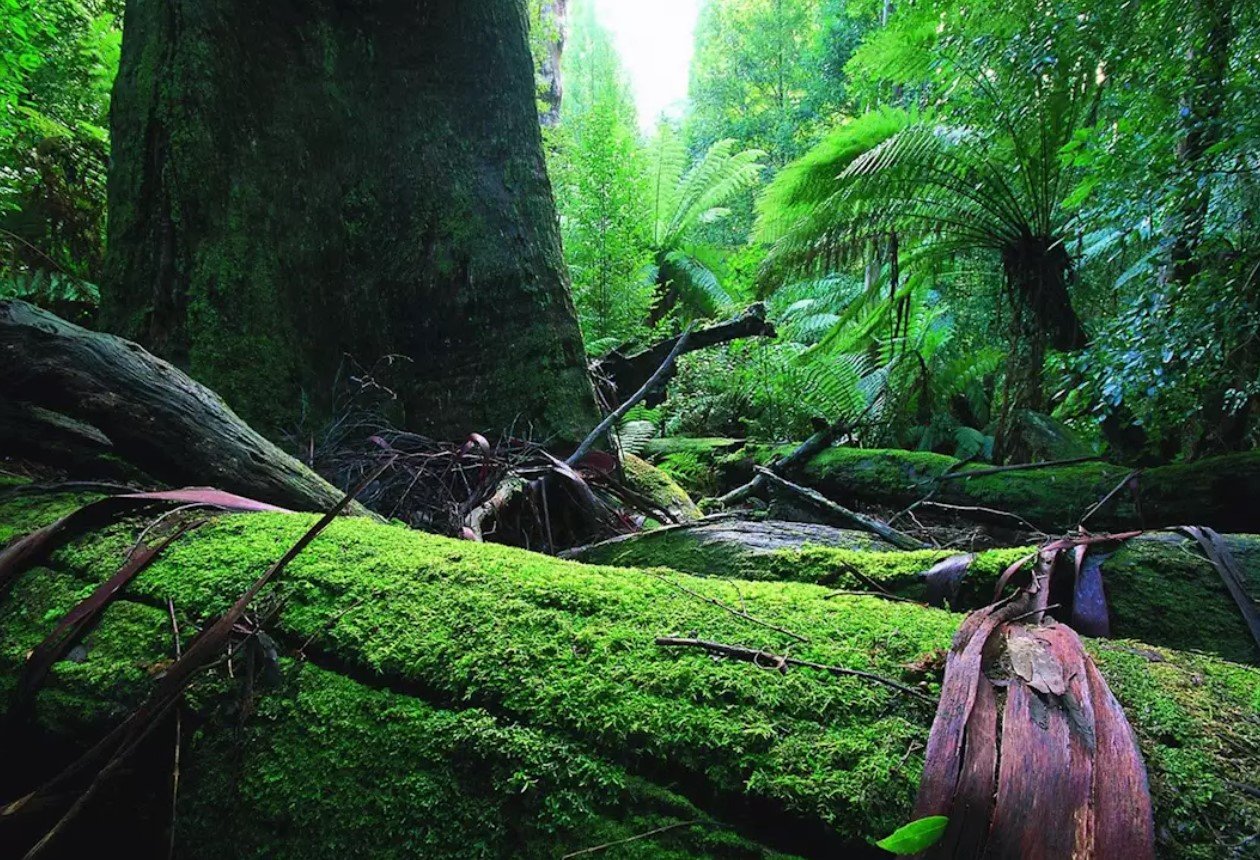
Huon Valley is a scenic agricultural region in southern Tasmania, Australia, known for its green hills, orchards, waterways, forests, and strong connection to apple growing. Stretching south of Hobart toward the Huon River and the D’Entrecasteaux Channel, the valley combines productive farmland with dramatic wilderness landscapes.
The region is closely associated with Tasmania’s fruit-growing heritage, particularly its historic apple industry. Today, the valley is also known for local produce, small towns, river scenery, nearby national parks, and access to some of southern Tasmania’s most distinctive natural environments.
Huon Valley Quick Facts
| Fact | Details |
|---|---|
| Location | Southern Tasmania, Australia |
| Country | Australia |
| Region | Tasmania |
| Main River | Huon River |
| Famous For | Apples, orchards, forests, produce and scenic landscapes |
| Climate | Cool temperate maritime |
| Main Towns | Huonville, Cygnet and Geeveston |
| Nearby City | Hobart |
| Best Months | Generally October to April |
Where Is Huon Valley?
Huon Valley is in southern Tasmania, approximately 30–40 minutes south of Hobart by road, depending on the destination. The region follows the Huon River southward toward the D’Entrecasteaux Channel and includes a collection of rural communities and small townships.
Huonville is the principal service centre and an important gateway to the surrounding countryside. Other notable communities include Cygnet, Franklin, Geeveston, and Dover. The valley’s southern position also places it close to the Tasmanian wilderness areas of the Huon Valley and the far south of the island.
Geography and Landscape
The landscape is shaped by the Huon River and a network of smaller waterways flowing through fertile agricultural land. Rolling hills, orchards, pastures, forests, and river flats create much of the valley’s characteristic scenery.
Farther south and west, the landscape becomes increasingly rugged and forested. The Huon Valley provides access to the edge of Tasmania’s extensive temperate rainforest country, while the Huon River eventually reaches the D’Entrecasteaux Channel.
The region’s combination of fertile soils, reliable rainfall, and relatively mild temperatures has supported agriculture for generations. Apple orchards remain one of its most recognizable landscape features.
History of Huon Valley
The Huon Valley has a long Aboriginal history associated with the Palawa people, whose communities lived across southern Tasmania before European settlement. The Huon River and surrounding forests provided important resources, and the area’s waterways formed part of a much larger cultural landscape.
European exploration and settlement expanded during the nineteenth century. The Huon River became important for transportation and timber, while settlers established farms, orchards, and small communities throughout the region.
Apple production became particularly significant from the late nineteenth century onward. Tasmania developed a strong reputation as an apple-growing region, and the Huon Valley became one of the island’s major fruit-producing areas. Apples were transported by river and later by road to markets beyond the valley.
Timber was another major part of the region’s economic history. The surrounding forests supported sawmilling and other industries, contributing to the development of settlements such as Geeveston. Today, agriculture, food production, tourism, forestry, and small-scale local businesses all contribute to the regional economy.
How Was Huon Valley Formed?
The Huon Valley developed through a combination of long-term erosion, river activity, geological uplift, and changing sea levels. The Huon River gradually shaped the valley by transporting sediment through southern Tasmania toward the coast.
Glacial periods also influenced Tasmania’s broader landscape, particularly the higher and western areas surrounding the valley. Over time, erosion and weathering produced the rolling agricultural land and deeper river valleys characteristic of the region.
Huon Valley Weather Throughout the Year
Huon Valley has a cool temperate maritime climate influenced by its southern latitude and proximity to the sea. Weather can change quickly, with rainfall occurring throughout the year and cooler conditions than many mainland Australian destinations.
January to March
Summer is generally the warmest period, with comfortable daytime temperatures and cooler nights. January and February are particularly suitable for outdoor activities, orchard visits, walking, and exploring the valley’s towns and countryside.
April to June
Autumn brings cooler temperatures and changing foliage, while rainfall becomes increasingly noticeable. April can still offer relatively mild days, but conditions become cooler toward June as winter approaches.
July to September
Winter is cool and often wet, with shorter daylight hours and colder nights. Snow is uncommon in the lower valley but can occur in higher surrounding areas. Rainfall and overcast conditions are more frequent than during summer.
October to December
Spring brings gradually warming temperatures, longer days, and renewed growth across orchards and farmland. November and December are generally more comfortable for exploring the region, although showers remain possible.
Best Weather for Visiting Huon Valley
For a combination of mild temperatures, longer daylight hours, and outdoor activities, October through April is generally the most comfortable period to visit. Spring is particularly appealing for seeing the countryside come back to life, while summer is well suited to exploring orchards, waterways, and nearby attractions.
Things to Do in Huon Valley
Explore Local Orchards
Fruit growing is central to the valley’s identity. Visitors can discover orchards, farm shops, and local producers offering seasonal Tasmanian fruit and other regional products.
Follow the Huon River
The river provides opportunities for scenic drives, photography, fishing, boating, and quiet riverside stops. The communities along the waterway offer different perspectives on the region’s history and agricultural character.
Visit Local Food Producers
Huon Valley has a strong reputation for locally produced food and beverages. Farm gates, markets, small producers, and specialty businesses provide opportunities to experience the region’s agricultural culture.
Walk in the Forest
The surrounding forests offer walking opportunities ranging from short nature trails to longer wilderness experiences. Nearby protected areas are particularly valuable for visitors interested in Tasmania’s native vegetation.
Explore Cygnet
Cygnet is known for its creative community, local food culture, markets, and attractive rural setting. It provides a different atmosphere from the valley’s more agriculture-focused settlements.
Take Scenic Drives
The roads connecting Huonville, Franklin, Cygnet, Geeveston, and smaller rural communities provide opportunities to experience orchards, farms, forests, and waterways without committing to a long hike.
Famous Attractions in and Around Huon Valley
Huon River
The Huon River is the defining waterway of the region and one of its most important natural and historical features. Its broad lower reaches create attractive scenery around the valley’s settlements.
Tahune Airwalk
Located near Geeveston, the Tahune Airwalk is a major attraction offering elevated views through Tasmania’s forest canopy. The site provides access to walking trails and an immersive experience of the region’s tall forest environment.
Hastings Caves and Thermal Springs
South of the main valley near Hastings, this attraction combines a cave system with natural thermal springs. The limestone cave environment provides a contrast to the agricultural landscapes farther north.
Franklin
Franklin is a historic riverside settlement on the Huon River, known for its heritage buildings, waterfront setting, and connections to the region’s boat-building and timber history.
Cygnet
Cygnet is one of the best-known small towns in the Huon region, with galleries, local businesses, markets, and a strong arts and food culture.
Hartz Mountains National Park
Located west of the Huon Valley, Hartz Mountains National Park protects a rugged alpine environment with mountains, lakes, forests, and walking trails. It forms part of the Tasmanian Wilderness World Heritage Area.
D’Entrecasteaux Channel
The channel lies south and east of the valley and provides a spectacular coastal setting of islands, forests, waterways, and small settlements. It is closely connected with the lower Huon region.
Wildlife and Nature
Huon Valley’s combination of farmland, forests, rivers, wetlands, and coastal environments supports a diverse range of Tasmanian wildlife. Native species in the wider region include wallabies, wombats, echidnas, possums, Tasmanian devils, and numerous native birds.
The surrounding forests are particularly important for Tasmania’s biodiversity. Tall eucalypts, temperate rainforest vegetation, ferns, and other native plants occur across the region, with protected areas helping conserve habitats beyond the developed agricultural landscape.
The Huon River and nearby waterways also support aquatic ecosystems and provide habitat for waterbirds and other species. Conservation is an important part of managing the balance between agriculture, forestry, tourism, and the region’s natural environments.
How to Reach Huon Valley
Huon Valley is easiest to reach by road from Hobart. The main route follows the Huon Highway south from the capital toward Huonville and the lower valley. From there, roads connect to Cygnet, Franklin, Geeveston, Dover, and surrounding rural areas.
Hobart International Airport is the nearest major airport. Visitors arriving by air can hire a car or arrange other transport in Hobart before traveling south.
There is limited public transportation compared with larger Australian destinations, so having a vehicle is generally the most convenient way to explore the valley and reach its more rural attractions.
Where to Stay Near Huon Valley
Accommodation is spread across the valley rather than concentrated in one large resort area. Huonville and nearby communities provide hotels, guesthouses, cottages, farm stays, and other small-scale accommodation.
Cygnet and Franklin are useful options for visitors interested in village atmosphere, local food, and riverside scenery. Geeveston and the areas farther south can be more convenient for travelers planning to visit forests, Tahune Airwalk, or the southern wilderness.
Camping and cabin-style accommodation are also available in the wider region, particularly around natural and forested areas.
Why Is Huon Valley Famous?
Huon Valley is famous for its apple-growing heritage, fertile countryside, Huon River, forests, local food culture, and access to southern Tasmania’s wilderness. Its combination of agriculture and rugged natural landscapes gives the region a distinctive identity within Tasmania.
Huon Valley FAQs
Where is Huon Valley located?
Huon Valley is in southern Tasmania, Australia, south of Hobart and centered around the Huon River and towns such as Huonville, Franklin, Cygnet, and Geeveston.
What is Huon Valley famous for?
The valley is best known for apples and orchards, the Huon River, local produce, forests, and its proximity to Tasmania’s southern wilderness.
What is the weather like in Huon Valley?
The region has a cool temperate maritime climate, with mild summers, cool winters, and rainfall possible throughout the year.
What are the best months to visit Huon Valley?
October through April generally offers the most comfortable conditions for outdoor activities, sightseeing, and exploring the countryside.
What can you do in Huon Valley?
Visitors can explore orchards, enjoy local food, follow the Huon River, visit towns such as Cygnet and Franklin, walk through forests, and explore nearby national parks.
How do you reach Huon Valley?
The valley is primarily reached by road from Hobart via the Huon Highway. Hobart International Airport is the nearest major airport.
Does Huon Valley get snow?
Snow is uncommon in the lower valley, although higher mountain areas in the surrounding region can receive snow during winter.
What attractions are near Huon Valley?
Major attractions include Tahune Airwalk, Hastings Caves, Hartz Mountains National Park, the Huon River, Franklin, Cygnet, and the D’Entrecasteaux Channel.
Final Thoughts
Huon Valley offers a distinctive combination of fertile orchards, historic settlements, waterways, forests, and access to Tasmania’s southern wilderness. Its agricultural heritage and natural surroundings make it an appealing destination for travelers looking for a quieter side of Tasmania while still being within easy reach of Hobart.
For More Visit Stay And Update
