
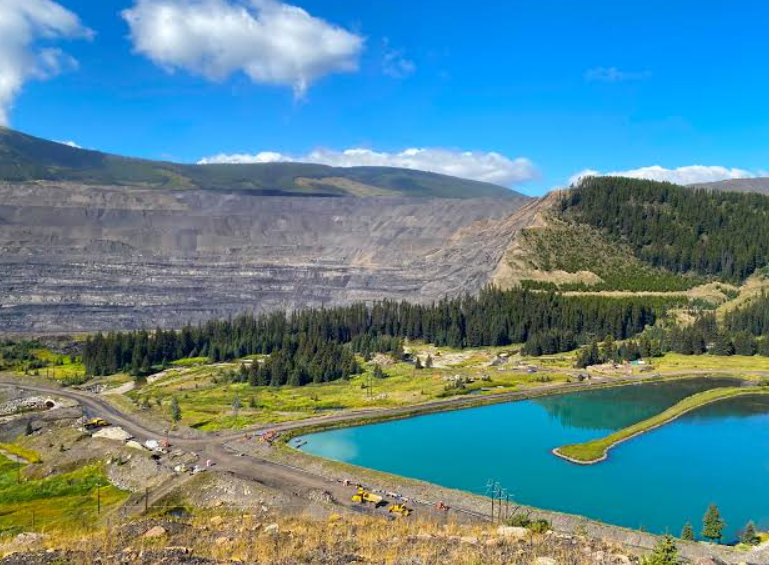
Elk Valley is a mountain valley in southeastern British Columbia, Canada, stretching through the heart of the Canadian Rockies. The valley follows the Elk River and includes communities such as Elkford, Sparwood, Fernie, Hosmer, and Elko. Its landscape combines steep Rocky Mountain peaks, forests, rivers, wetlands, alpine terrain, and broad valley bottoms.
The valley is also an important part of British Columbia’s industrial and cultural history. Coal mining and forestry have shaped local communities for more than a century, while outdoor recreation has become increasingly important. Today, the area attracts visitors interested in hiking, skiing, fishing, wildlife, mountain scenery, and backcountry exploration.
Elk Valley Quick Facts
| Fact | Details |
|---|---|
| Location | Southeastern British Columbia |
| Country | Canada |
| Region | East Kootenay / Canadian Rockies |
| Main River | Elk River |
| Landscape | Mountain valley, forests, wetlands and alpine terrain |
| Famous For | Rocky Mountain scenery, coal mining history and outdoor recreation |
| Climate | Mountain continental |
| Best Months | June to September for summer activities; December to March for winter recreation |
| Main Communities | Fernie, Sparwood and Elkford |
Where Is Elk Valley?
Elk Valley is located in southeastern British Columbia in the East Kootenay region, close to the Alberta and Montana borders. It extends from the Rocky Mountain headwaters near the Continental Divide southward toward Lake Koocanusa and the Kootenay River.
The main communities within the valley include Elkford in the north, Sparwood in the central section, and Fernie farther south, along with smaller communities such as Hosmer and Elko. Highway 3 provides the principal east-west connection through the valley, while Highway 43 extends north from Sparwood toward Elkford.
Geography and Landscape
The Elk Valley follows the Elk River for roughly 220 kilometres. The river begins near the Continental Divide and travels southwest through the Rocky Mountains before reaching Lake Koocanusa and eventually connecting with the Kootenay River.
The landscape varies considerably along its length. Steep forested mountains rise above the valley floor, while lower areas contain wetlands, grasslands, forests, agricultural land, and river corridors. Higher elevations feature alpine meadows, rugged peaks, glaciers, and mountain lakes.
The surrounding mountains are part of the Canadian Rockies, giving the valley a strongly mountainous character. Elevation also varies considerably between the communities and the surrounding peaks, creating different environments within a relatively compact region.
History of Elk Valley
The Elk Valley is part of the traditional territory of the Ktunaxa Nation. Indigenous peoples have used the region for generations, traveling through the mountains and relying on local wildlife, fish, plants, and other resources.
European exploration increased during the nineteenth century. Explorer David Thompson traveled through the region in 1811, and settlement expanded later in the century as transportation routes, mining, and forestry developed.
Coal became particularly important after the first operating coal mine near Coal Creek, close to Fernie, opened in 1897. Mining encouraged the growth of communities and helped establish the valley as one of British Columbia’s important coal-producing regions. Forestry also became a major economic activity.
Fernie developed as an early mining and railway community, while Sparwood and Elkford later grew in connection with the coal industry. Although mining remains economically significant, tourism and outdoor recreation have become increasingly important parts of the valley’s modern identity.
How Was Elk Valley Formed?
The Elk Valley was strongly shaped by glaciation during the last Ice Age. A large valley glacier once extended from the upper Elk River area toward the lower valley. As the glacier moved and gradually retreated, it eroded bedrock, widened the valley, created characteristic mountain landforms, and left behind sediments and other glacial deposits.
The valley’s present landscape continues to be influenced by rivers, erosion, landslides, avalanches, weathering, and ongoing geological processes.
Elk Valley Weather Throughout the Year
Elk Valley weather varies with elevation and location, but the region generally has cold winters, warm summers, and substantial seasonal differences. Higher mountain areas remain considerably colder and can receive much more snow than the valley floor.
January to March
Winter is cold and snowy, making this period particularly suitable for skiing, snowmobiling, and other snow-based recreation. Temperatures frequently remain below freezing, especially overnight, and mountain areas receive substantial snowfall.
April to June
Spring brings gradually warmer conditions, although snow can remain at higher elevations well into the season. Lower areas become greener as snow melts and rivers and streams carry increased runoff from the mountains.
July to September
Summer is generally the warmest and driest period. Daytime conditions are often comfortable for hiking, fishing, camping, mountain biking, and sightseeing, although mountain weather can change quickly.
October to December
Autumn begins with cooler temperatures and changing foliage before winter conditions return. Snow becomes increasingly common at higher elevations during October and November, with more consistent winter conditions developing by December.
Best Weather for Visiting Elk Valley
June through September is generally the most comfortable period for hiking, fishing, camping, sightseeing, and other warm-weather activities. Visitors interested in skiing and snow-based recreation will generally prefer the winter months, particularly from December through March.
Things to Do in Elk Valley
- Hiking: Explore trails around Fernie, Sparwood, Elkford, and the surrounding mountain areas.
- Mountain biking: The valley has extensive trails ranging from community routes to more challenging mountain terrain.
- Fishing: The Elk River and surrounding lakes and streams provide opportunities for anglers.
- Skiing and snowboarding: Fernie Alpine Resort is a major winter recreation destination.
- Wildlife watching: The surrounding forests and mountains support abundant Rocky Mountain wildlife.
- Camping: Numerous developed and backcountry camping opportunities are available throughout the region.
- Backcountry recreation: Hiking, snowmobiling, climbing, and other activities provide access to more remote mountain environments.
Famous Attractions in and Around Elk Valley
Fernie
Fernie is the largest community in the valley and is known for its historic downtown, mountain setting, cultural attractions, and access to year-round outdoor recreation.
Fernie Alpine Resort
Located near Fernie, the resort is one of the region’s major winter destinations and also provides summer mountain recreation.
Sparwood’s Terex Titan
The enormous Terex Titan mining truck is one of Sparwood’s best-known landmarks and reflects the area’s long connection with coal mining.
Elkford
At the northern end of the valley, Elkford provides access to rugged mountain landscapes, lakes, trails, and extensive backcountry areas.
Elk Lakes Provincial Park
Located near the northern end of the valley, this protected mountain area is known for alpine scenery, lakes, forests, and opportunities for wilderness recreation.
Elk River
The Elk River is the central natural feature of the valley, flowing through its communities and providing important habitat as well as opportunities for fishing and recreation.
Lake Koocanusa
At the southern end of the Elk River system, Lake Koocanusa offers boating, fishing, camping, and views of the surrounding mountains.
Wildlife and Nature
Elk Valley supports a diverse Rocky Mountain ecosystem. Forests, wetlands, river corridors, alpine meadows, and high-elevation habitats provide living space for many species.
Wildlife associated with the region includes elk, deer, moose, black bears, grizzly bears, mountain goats, bighorn sheep, wolves, and other Rocky Mountain species. The Elk River and its tributaries also provide important aquatic habitat. The valley’s forests and protected areas contribute to wildlife movement between larger mountain ecosystems.
Conservation and responsible land management are particularly important because the valley combines wilderness, communities, recreation, forestry, transportation, and resource development within the same landscape.
How to Reach Elk Valley
The main route through Elk Valley is British Columbia Highway 3, which connects the region with the Crowsnest Pass and Alberta to the east and Cranbrook and other parts of southeastern British Columbia to the west.
Highway 43 branches north from Sparwood and ends at Elkford, making it the primary road connection to the northern part of the valley. Highway 93 provides access farther south toward Lake Koocanusa and the United States border.
The nearest major airport is Canadian Rockies International Airport near Cranbrook. Driving is generally the most practical way to explore the valley because attractions and communities are spread across a large mountainous area.
Where to Stay Near Elk Valley
Fernie, Sparwood, and Elkford provide the main accommodation bases. Visitors can choose from hotels, lodges, guesthouses, cabins, vacation rentals, and campgrounds.
Fernie is particularly convenient for visitors interested in resort activities and services, while Sparwood provides a central location along Highway 3. Elkford is better suited to travelers looking for a quieter base close to northern mountain and backcountry areas.
Why Is Elk Valley Famous?
Elk Valley is famous for its combination of Canadian Rocky Mountain scenery, the Elk River, abundant wildlife, coal-mining heritage, and year-round outdoor recreation. Its communities provide access to both developed recreational facilities and extensive wilderness landscapes.
Elk Valley FAQs
Where is Elk Valley located?
Elk Valley is in southeastern British Columbia, Canada, within the East Kootenay region of the Canadian Rockies.
What is Elk Valley famous for?
The valley is known for its Rocky Mountain scenery, Elk River, wildlife, coal-mining history, Fernie Alpine Resort, and outdoor recreation.
What is the weather like in Elk Valley?
The valley has cold, snowy winters and generally warm summers. Conditions become colder and more variable at higher mountain elevations.
What are the best months to visit Elk Valley?
June through September is generally best for summer activities such as hiking and fishing. Winter is preferable for skiing and snow-based recreation.
What can you do in Elk Valley?
Visitors can hike, fish, camp, ski, snowboard, mountain bike, watch wildlife, photograph scenery, and explore backcountry areas.
How do you reach Elk Valley?
Highway 3 is the main east-west route through the valley, while Highway 43 connects Sparwood with Elkford. The nearest major airport is near Cranbrook.
Does Elk Valley get snow?
Yes. Snowfall is common during winter, with significantly heavier and more persistent snow at higher elevations.
Which communities are in Elk Valley?
The principal communities are Fernie, Sparwood, and Elkford. Smaller communities include Hosmer and Elko.
Final Thoughts
Elk Valley offers a distinctive combination of Rocky Mountain wilderness, river landscapes, working communities, cultural history, and outdoor recreation. Its varied terrain and four-season climate make it an appealing destination for travelers interested in both mountain adventures and the history of southeastern British Columbia.
For More Visit Stay And Update
