
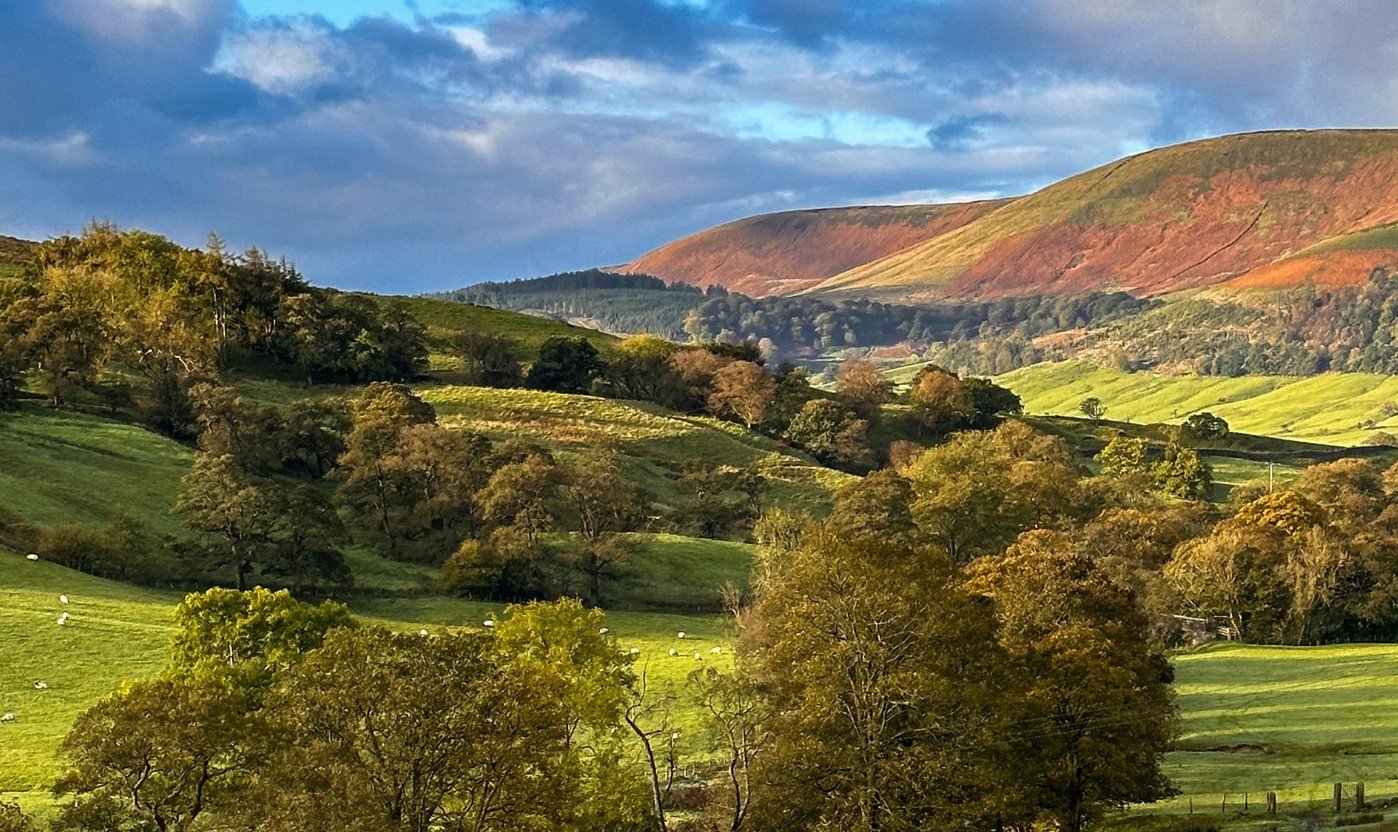
Ribble Valley is a picturesque rural valley region in Lancashire, England, known for its green countryside, historic towns, traditional villages, rivers, and access to the Forest of Bowland. Centred around the market town of Clitheroe, the area combines natural landscapes with centuries of English history.
The valley attracts walkers, cyclists, history enthusiasts, and visitors looking to explore the Lancashire countryside. From Pendle Hill and Clitheroe Castle to riverside villages and ancient abbey ruins, Ribble Valley offers a varied landscape within northwest England.
Ribble Valley Quick Facts
| Fact | Details |
|---|---|
| Location | Lancashire, North West England |
| Country | England, United Kingdom |
| Region | Lancashire / Forest of Bowland area |
| Main Town | Clitheroe |
| Main River | River Ribble |
| Famous For | Countryside, historic villages, Pendle Hill and food |
| Climate | Temperate maritime |
| Best Months | April to October |
| Nearby City | Preston |
| Notable Landscape | Forest of Bowland and surrounding fells |
Where Is Ribble Valley?
Ribble Valley is located in the eastern part of Lancashire in North West England. It is centred on Clitheroe and extends across a largely rural landscape between the Pennine hills and the Forest of Bowland.
The area includes market towns and villages such as Clitheroe, Whalley, Longridge, Ribchester, Slaidburn, and Gisburn. Preston lies to the southwest, while Blackburn and Burnley are also within reach. Its position makes Ribble Valley accessible from several major towns and cities in northern England.
Geography and Landscape
The landscape of Ribble Valley is shaped by rolling farmland, river valleys, wooded areas, limestone features, and open fells. The River Ribble is one of the area’s defining waterways, while tributaries including the Hodder and Calder contribute to the wider valley landscape.
The Forest of Bowland forms an important part of the surrounding countryside and includes moorland, hills, woodland, and rural valleys. Pendle Hill, located on the southeastern side of the wider area, is another prominent landscape feature and provides extensive views across Lancashire.
Unlike a narrow mountain valley, Ribble Valley is a broad rural region containing several valleys and river systems. This varied terrain supports traditional farming landscapes, small settlements, and extensive networks of public footpaths.
History of Ribble Valley
Ribble Valley has a long history of settlement. Archaeological evidence and Roman remains demonstrate the importance of the wider region during ancient times. Ribchester, located near the River Ribble, was the site of an important Roman settlement and fort.
During the medieval period, religious institutions and landed estates influenced the development of the area. Whalley Abbey and Sawley Abbey are important reminders of this history, while Clitheroe Castle reflects the strategic importance of the region after the Norman period.
The landscape also has strong links with agriculture, textiles, and rural industry. Over time, improved roads and rail connections helped strengthen the area’s relationship with surrounding Lancashire towns. Tourism later became increasingly important, with visitors drawn to the countryside, historic buildings, walking routes, and local food culture.
How Was Ribble Valley Formed?
Ribble Valley developed through a long combination of geological and erosional processes. Much of the landscape is underlain by sedimentary rocks, including limestone and gritstone, which were formed millions of years ago.
Over time, rivers carved through the surrounding terrain, creating broad valleys and shaping the landscape seen today. During the Ice Age, glaciers also influenced parts of Lancashire’s landscape, helping modify drainage patterns and leaving deposits across the wider region.
The result is a varied countryside of river valleys, rolling hills, limestone areas, and upland moorland rather than a single steep-sided valley.
Ribble Valley Weather Throughout the Year
Ribble Valley has a temperate maritime climate, typical of northern England. Weather can change quickly, and rainfall is possible throughout the year, particularly in higher and more exposed areas.
January to March
Winter is generally cool and damp. January and February are usually the coldest months, with occasional frost and snowfall on higher ground. March gradually brings milder temperatures and the first clear signs of spring.
April to June
Spring is one of the most pleasant periods for walking and exploring. Temperatures gradually rise, countryside vegetation becomes greener, and wildflowers begin to appear. Rain showers remain possible.
July to September
Summer brings the warmest weather, although Ribble Valley rarely experiences consistently hot conditions. Daytime temperatures are generally comfortable for outdoor activities, but rainfall can still occur. This is a popular period for walking, cycling, and exploring villages.
October to December
Autumn brings changing foliage and cooler temperatures. October can still provide good conditions for countryside walks, while November and December become colder and wetter. Frost becomes increasingly common toward winter.
Best Weather for Visiting Ribble Valley
For many visitors, late spring through early autumn offers the most comfortable weather. May, June, September, and early October can provide pleasant conditions for walking and sightseeing while avoiding some of the busiest summer periods.
Things to Do in Ribble Valley
Walking and Hiking
Ribble Valley has numerous public footpaths and countryside trails. Popular routes explore riverside landscapes, woodland, villages, Pendle Hill, and the Forest of Bowland.
Explore Historic Towns and Villages
Clitheroe, Whalley, Slaidburn, and Ribchester offer opportunities to explore traditional architecture, local history, shops, and rural communities.
Cycling
Quiet country roads and designated routes make the area suitable for leisure cycling and more challenging rides through the surrounding hills.
Visit Local Heritage Sites
Abbey ruins, museums, historic estates, and Roman sites provide insight into the region’s long history.
Enjoy Countryside Photography
Rolling hills, stone buildings, rivers, woodland, and open moorland provide changing scenery throughout the year.
Explore Local Food and Produce
Ribble Valley has developed a strong reputation for independent food producers, traditional pubs, farm shops, and local dining experiences.
Famous Attractions in and Around Ribble Valley
Clitheroe Castle
Clitheroe Castle is one of the area’s best-known historic landmarks. The Norman keep overlooks the town and provides wide views across the surrounding countryside.
Pendle Hill
Pendle Hill is a prominent Lancashire landmark associated with the history of the Pendle witch trials. It is a popular destination for walkers.
Whalley Abbey
Whalley Abbey is a historic former Cistercian monastery. Visitors can explore its surviving ruins and learn about the site’s medieval past.
Sawley Abbey
The remains of Sawley Abbey stand in a peaceful rural setting near the River Ribble. The abbey was founded in the twelfth century and remains an important heritage site.
Forest of Bowland
The Forest of Bowland provides access to open countryside, moorland, woodland, and rural villages. It is particularly popular for walking and wildlife observation.
Ribchester Roman Museum
Ribchester offers an important connection to Roman Britain. The museum interprets the history of the Roman settlement and the archaeological discoveries made in the area.
Browsholme Hall
Browsholme Hall is a historic family home near Clitheroe, known for its architecture, collections, and long connection with the Lancashire countryside.
Wildlife and Nature
Ribble Valley supports a mixture of farmland, woodland, rivers, wetlands, and upland habitats. These environments provide homes for a wide range of birds and mammals, while the river systems support important freshwater ecosystems.
The wider Forest of Bowland landscape is particularly important for nature conservation. Visitors may encounter species associated with northern English countryside, including roe deer, rabbits, foxes, and a variety of birds. Woodland and river corridors also provide valuable habitats for smaller mammals and insects.
How to Reach Ribble Valley
The main gateway to Ribble Valley is Clitheroe. The town can be reached by road from Preston, Blackburn, Burnley, and other parts of Lancashire.
Clitheroe has a railway station with services connecting to Blackburn and onward rail connections across the wider region. Local buses serve several towns and villages, although a car can be useful for reaching more remote rural attractions.
For air travel, Manchester Airport is one of the major international airports within practical reach, while Liverpool John Lennon Airport is another option for some visitors. Travel times vary depending on traffic and the chosen destination within the valley.
Where to Stay Near Ribble Valley
Clitheroe is a convenient base for visitors who want access to accommodation, restaurants, shops, and transport links. The town offers hotels, guesthouses, and other lodging options.
Rural villages across the valley provide country inns, bed-and-breakfast accommodation, cottages, and holiday rentals. Visitors seeking outdoor experiences can also find campsites and other countryside accommodation in the wider area.
Choosing where to stay depends largely on whether you prefer the convenience of a town or a quieter location near walking routes and open countryside.
Why Is Ribble Valley Famous?
Ribble Valley is famous for its combination of traditional Lancashire countryside, historic settlements, river landscapes, and access to the Forest of Bowland. Its distinctive character comes from the way rural scenery, local food culture, walking opportunities, and centuries of history exist within one compact region.
Ribble Valley FAQs
Where is Ribble Valley located?
Ribble Valley is located in Lancashire in North West England. Clitheroe is the main town and one of the area’s principal visitor bases.
What is Ribble Valley famous for?
It is known for green countryside, historic villages, Clitheroe Castle, Pendle Hill, local food, and access to the Forest of Bowland.
What is the weather like in Ribble Valley?
The area has a temperate maritime climate with mild summers, cool winters, and rainfall throughout the year.
What are the best months to visit Ribble Valley?
Late spring through early autumn is generally the most comfortable period for walking, sightseeing, and exploring the countryside.
What can you do in Ribble Valley?
Visitors can walk, cycle, explore historic landmarks, visit villages, enjoy countryside photography, and discover local food and heritage.
How do you reach Ribble Valley?
Clitheroe is accessible by road and rail. Local buses connect several communities, while a car is useful for exploring more rural areas.
Does Ribble Valley get snow?
Snow is possible during winter, particularly on higher ground, although it is not a constant feature of the lower valleys.
Is Ribble Valley part of the Forest of Bowland?
Parts of the wider Ribble Valley area lie within or close to the Forest of Bowland landscape, making the region an important gateway to its countryside and outdoor activities.
Final Thoughts
Ribble Valley offers a different experience from England’s more dramatic mountain valleys. Its appeal lies in the combination of peaceful countryside, river landscapes, historic towns, rural villages, and easy access to the Forest of Bowland. It is well suited to visitors interested in walking, history, food, and exploring the quieter side of Lancashire.
For More Visit Stay And Update
