
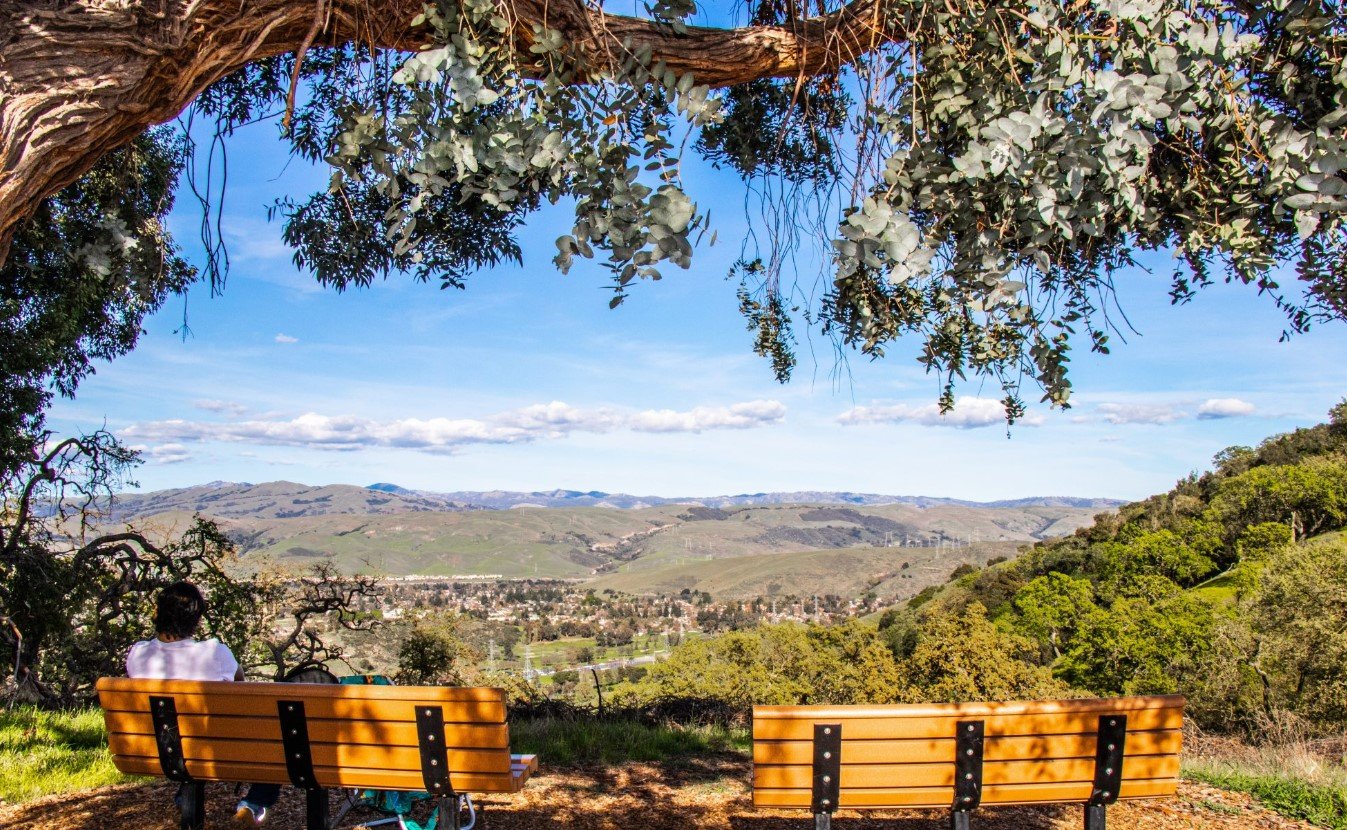
Silicon Valley is a globally recognized region in Northern California known for technology, entrepreneurship, innovation, and some of the world’s most influential technology companies. Unlike a traditional valley defined by one continuous geographic landform, Silicon Valley is a broad regional identity centered in the southern part of the San Francisco Bay Area.
The region combines suburban communities, business districts, universities, research institutions, and natural landscapes. Its modern identity developed through decades of scientific research, electronics manufacturing, venture capital, and technology entrepreneurship, transforming the area into one of the world’s leading centers of innovation.
| Fact | Details |
|---|---|
| Location | Southern San Francisco Bay Area, California |
| Country | United States |
| Region | Northern California |
| Main Geographic Area | Santa Clara Valley and surrounding communities |
| Elevation | Varies considerably across the region |
| Famous For | Technology, startups, innovation and venture capital |
| Climate | Mediterranean |
| Best Months | Generally April to October |
| Main Waterway | Guadalupe River and connected Bay Area waterways |
| Nearby Cities | San Jose, Palo Alto, Mountain View, Santa Clara |
Where Is Silicon Valley?
Silicon Valley is located in the southern portion of the San Francisco Bay Area in Northern California. Its historical geographic core is the Santa Clara Valley, extending from the southern end of San Francisco Bay toward the foothills of the Santa Cruz Mountains and Diablo Range.
San Jose is the largest city in the region and is commonly regarded as Silicon Valley’s main urban center. Other important communities include Santa Clara, Sunnyvale, Mountain View, Cupertino, Palo Alto, Menlo Park, and parts of Fremont and Milpitas.
The region is positioned between the Santa Cruz Mountains to the west and the Diablo Range to the east, with San Francisco Bay forming its northern end.
Geography and Landscape
The physical landscape associated with Silicon Valley is centered on the Santa Clara Valley, a broad lowland shaped by the surrounding mountain ranges and the southern end of San Francisco Bay. Urban development covers much of the valley floor, while hills, open spaces, wetlands, and protected natural areas remain around its edges.
The Santa Clara Valley was historically known for its fertile agricultural land and orchards. Today, much of that land has been developed into residential neighborhoods, offices, research facilities, transportation infrastructure, and commercial areas.
The Guadalupe River is one of the principal waterways through the valley. Toward the north, the landscape transitions into the wetlands and tidal environments around San Francisco Bay. The surrounding mountains create a distinct physical boundary and provide hiking areas and open-space preserves.
History of Silicon Valley
The region’s earlier history was strongly connected to agriculture. During the nineteenth and early twentieth centuries, the Santa Clara Valley became famous for orchards, particularly fruit production. Canning and food-processing industries developed around the agricultural economy.
The area’s transformation into a technology center accelerated during the twentieth century. Stanford University and its surrounding research environment played an important role in developing connections between academic research and private industry. Stanford Research Park, established in the 1950s in Palo Alto, became an important location for technology companies.
The electronics industry expanded rapidly after World War II, with semiconductor research and manufacturing becoming especially important. Companies working with silicon-based semiconductor technology helped give the region its now-famous name.
During the late twentieth century and early twenty-first century, Silicon Valley became a major center for personal computing, software, internet businesses, mobile technology, and venture-backed startups. Its culture of entrepreneurship and investment helped establish a business model that has influenced technology industries worldwide.
How Was Silicon Valley Formed?
The physical valley underlying Silicon Valley is primarily the Santa Clara Valley, a structural basin influenced by the region’s complex fault systems and surrounding mountain ranges. Sediments accumulated over long periods as erosion transported material from the surrounding highlands into the valley.
The modern technology region, however, was not created by geology alone. Its current identity developed through the interaction of universities, research institutions, electronics companies, skilled workers, investors, transportation infrastructure, and entrepreneurial networks.
Silicon Valley Weather Throughout the Year
Silicon Valley has a Mediterranean climate characterized by mild, relatively wet winters and warm, generally dry summers. Conditions vary somewhat between communities and between the valley floor and surrounding hills.
January to March
Winter is generally mild and wetter than the rest of the year. Daytime temperatures commonly remain comfortable, while nights can be cool. Rainfall is concentrated during this period, although prolonged wet weather is uncommon.
April to June
Spring becomes warmer and progressively drier. April and May usually bring mild daytime conditions, while June can experience warmer afternoons. Morning cloud cover can occur in parts of the Bay Area before clearing later in the day.
July to September
Summer is typically dry, with warm to hot afternoons and cool-to-mild evenings. Inland portions of the valley can become considerably warmer than areas closer to San Francisco Bay. Rain is uncommon during the summer months.
October to December
Early autumn can remain warm and dry, making October particularly pleasant. Temperatures gradually decline during November and December as winter rainfall returns. Nights become cooler toward the end of the year.
Best Weather for Visiting Silicon Valley
April through October generally offers comfortable conditions for exploring the region, with relatively little rainfall and many pleasant days. Spring and autumn can be particularly suitable for sightseeing because temperatures are usually moderate.
Things to Do in Silicon Valley
- Explore technology landmarks: Visit the campuses and surrounding areas associated with the region’s technology industry.
- Visit museums: Explore technology and science museums that explain the development of computing and innovation.
- Tour university areas: Walk around Stanford University’s historic campus and surrounding Palo Alto.
- Hike in the hills: Regional open-space preserves provide trails and viewpoints overlooking the valley.
- Explore downtown districts: San Jose, Palo Alto, Mountain View, and other communities offer restaurants, shopping, galleries, and cultural attractions.
- Visit farmers’ markets: Local markets provide an opportunity to experience the region’s connection to its agricultural past.
- Explore Bay Area nature: Wetlands, parks, and open spaces near the southern San Francisco Bay provide opportunities for birdwatching and walking.
Famous Attractions in and Around Silicon Valley
Stanford University
The Stanford campus in Palo Alto is one of the region’s most important educational and historical landmarks and has played a major role in Silicon Valley’s development.
Computer History Museum
Located in Mountain View, the Computer History Museum documents the development of computing through historical machines, exhibits, and technology collections.
Apple Park
Apple’s headquarters in Cupertino is an iconic example of contemporary corporate architecture. The visitor center provides public-facing exhibits and a model of the Apple Park campus.
NASA Ames Research Center
Located at Moffett Field, NASA Ames has been an important center for aerospace research and technology development.
Winchester Mystery House
Located in San Jose, this unusual historic house is one of the city’s best-known attractions, featuring distinctive architecture and a long-running local history.
Moffett Field
The former naval air station is an important landmark in the region’s aerospace and scientific history, particularly because of its large historic hangars.
Santa Clara University
Founded in 1851, Santa Clara University is one of the oldest institutions of higher learning in California and occupies an important place in the region’s history.
Hakone Estate and Gardens
Located in Saratoga in the foothills west of Silicon Valley, this historic Japanese-style garden offers landscaped grounds and a quieter contrast to the region’s technology-focused urban environment.
Wildlife and Nature
Although much of Silicon Valley is heavily urbanized, natural habitats remain throughout the region. The Santa Cruz Mountains, Diablo Range, Bay wetlands, creeks, and protected open spaces support a variety of plants and wildlife.
Birdlife is particularly important around the southern San Francisco Bay wetlands, where shorebirds and waterfowl use tidal and freshwater habitats. Coyotes, deer, foxes, bobcats, and other wildlife can occur in the surrounding hills and open-space preserves. Native oak woodland and grassland communities are also found in less-developed areas.
Regional parks and preserves help protect these habitats while providing opportunities for hiking, wildlife observation, and environmental education.
How to Reach Silicon Valley
San Jose Mineta International Airport is the most convenient major airport for much of Silicon Valley. San Francisco International Airport is another major gateway and serves a much wider range of domestic and international routes.
Interstate 280, U.S. Route 101, Interstate 880, and State Route 85 are among the principal highways serving the region. Caltrain connects communities along the Peninsula with San Jose and other Bay Area locations, while VTA operates local bus and light-rail services in Santa Clara County.
Because Silicon Valley is a large metropolitan region rather than a single attraction, travel times depend heavily on the destination and traffic conditions.
Where to Stay Near Silicon Valley
Silicon Valley offers accommodation across numerous communities. San Jose has a wide selection of hotels and business-oriented lodging, while Palo Alto and Mountain View provide convenient options near major technology and university areas.
Cupertino, Santa Clara, Sunnyvale, and nearby communities also have hotels and extended-stay properties. Travelers interested in a quieter setting can consider accommodations near the Santa Cruz Mountains or other nearby towns, although commuting times can be longer.
Why Is Silicon Valley Famous?
Silicon Valley is famous for its extraordinary concentration of technology companies, universities, investors, startups, engineers, and research organizations. Its influence extends far beyond California because business practices and technologies developed in the region have shaped the global computing, software, internet, and venture-capital industries.
Silicon Valley FAQs
Where is Silicon Valley located?
Silicon Valley is in Northern California’s southern San Francisco Bay Area, with the Santa Clara Valley serving as its geographic core.
What is Silicon Valley famous for?
It is internationally known for technology companies, startups, semiconductor development, software, venture capital, and entrepreneurship.
What is the weather like in Silicon Valley?
The region generally has mild, wet winters and warm, dry summers. Temperatures vary between the valley floor, hills, and communities closer to the Bay.
What are the best months to visit Silicon Valley?
April through October generally offers pleasant weather and relatively little rainfall, making it a convenient period for sightseeing.
What can you do in Silicon Valley?
Visitors can explore technology museums, university campuses, cultural attractions, historic sites, downtown areas, parks, and nearby natural landscapes.
How do you reach Silicon Valley?
San Jose Mineta International Airport is the closest major airport for much of the region. San Francisco International Airport, major highways, Caltrain, and local transit also provide access.
Does Silicon Valley get snow?
Snow is extremely rare across the developed valley floor. The surrounding higher mountains can experience colder winter conditions, but significant snow is uncommon in the urban core.
Is Silicon Valley an actual valley?
Yes, the region is primarily associated with the Santa Clara Valley, although the name Silicon Valley now describes a much broader technology and economic region than the physical valley itself.
Final Thoughts
Silicon Valley is distinctive because its identity combines a real geographic landscape with a globally influential technology ecosystem. Its agricultural past, universities, natural surroundings, and transformation into an innovation center make it a particularly interesting valley to study from both geographic and cultural perspectives.
For More Visit Stay And Update
