
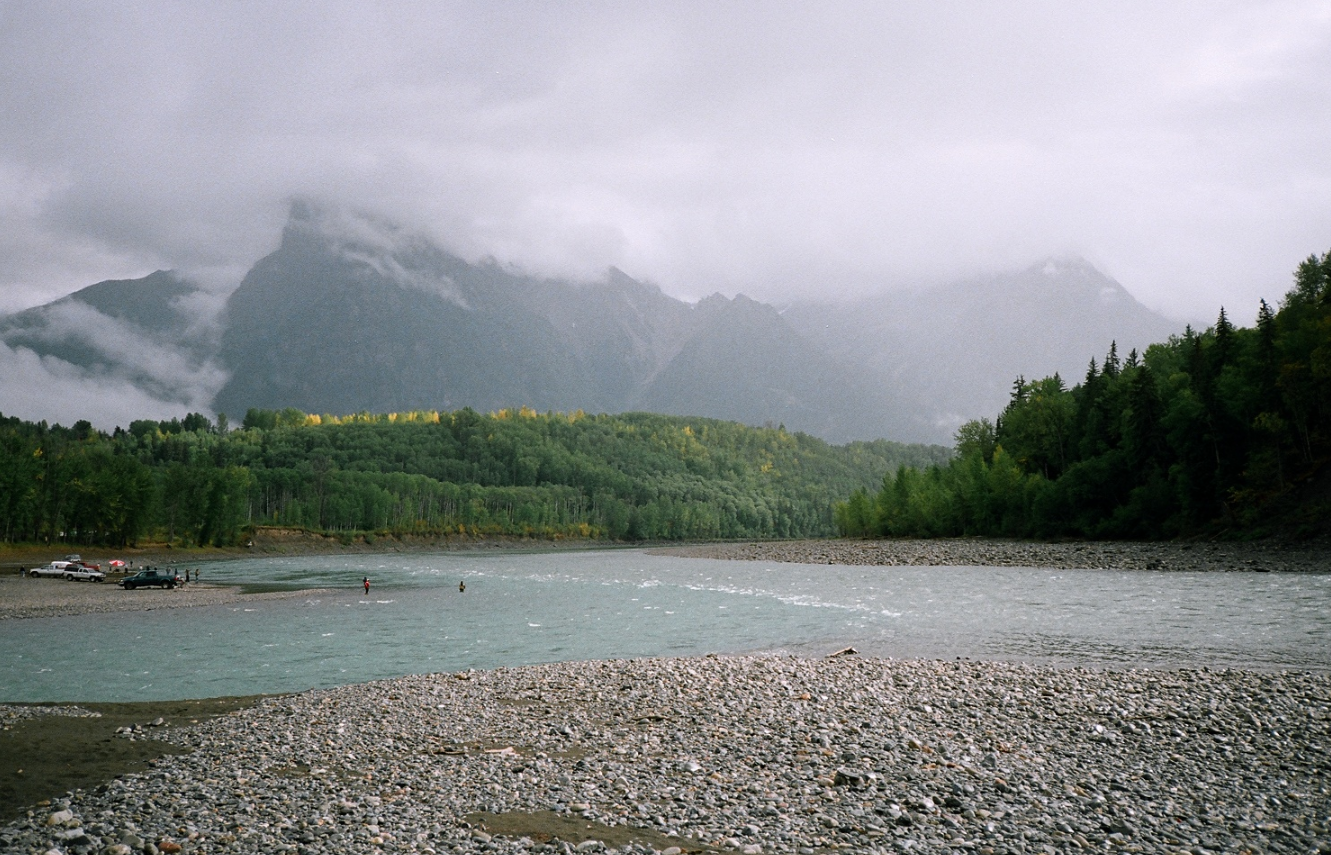
Skeena Valley is a broad, scenic valley in northwestern British Columbia, Canada, shaped by the Skeena River and surrounded by rugged mountains, forests, and smaller river valleys. It forms an important natural corridor through one of British Columbia’s most remote and visually dramatic regions, connecting communities along the Skeena River toward the Pacific coast.
The valley is known for its combination of wilderness, Indigenous heritage, salmon-rich waterways, mountain scenery, and outdoor recreation. Communities such as Terrace, Thornhill, and Kitimat lie within or near the wider Skeena Valley region, while the Skeena River remains central to the area’s landscape, ecology, transportation history, and economy.
Skeena Valley Quick Facts
| Fact | Details |
|---|---|
| Location | Northwestern British Columbia |
| Country | Canada |
| Region | Skeena region |
| Main River | Skeena River |
| Landscape | River valley, forests and surrounding mountains |
| Famous For | Skeena River, salmon, wilderness and Indigenous culture |
| Climate | Cool, wet winters and mild summers |
| Best Months | Generally May to September |
| Main Nearby City | Terrace |
| Major Activities | Fishing, hiking, wildlife viewing and sightseeing |
Where Is Skeena Valley?
Skeena Valley is located in northwestern British Columbia along the Skeena River. The valley stretches through the mountainous interior toward the Pacific coast, with Terrace serving as one of its main population and service centers.
The wider valley area includes communities and settlements along the river corridor, including Thornhill and areas around Terrace. Prince Rupert lies farther west near the coast, while Kitimat is situated south of Terrace in a separate but closely connected valley system.
Its location places the valley between the Coast Mountains and Interior ranges, creating a natural route through northwestern British Columbia.
Geography and Landscape
The Skeena Valley follows the course of the Skeena River, one of British Columbia’s major rivers. The river begins in the interior of the province and travels westward for more than 500 kilometres before reaching the Pacific Ocean near Prince Rupert.
The valley landscape combines broad river flats with forested slopes and rugged mountains. The surrounding terrain includes dense conifer forests, rocky peaks, smaller tributary valleys, wetlands, and extensive waterways. Elevations vary considerably across the region, producing different vegetation zones and habitats.
The Skeena River is particularly important to the character of the valley. Its tributaries and connected waterways support salmon populations and provide habitat for numerous species. The river also helped establish the valley as a natural transportation corridor.
History of Skeena Valley
The Skeena Valley has a long Indigenous history. The Tsimshian and Gitxsan peoples have deep cultural connections to the Skeena River and surrounding lands, with traditional knowledge, communities, fishing sites, and travel routes forming an important part of the region’s history.
European exploration and settlement increased during the nineteenth century, followed by commercial activities connected to fishing, forestry, transportation, and mining. The Skeena River became an important route for moving people and supplies through northwestern British Columbia.
The arrival of rail transportation in the early twentieth century further strengthened the region’s connections with the rest of the province. The Grand Trunk Pacific Railway, later associated with the Canadian National Railway system, reached the Skeena region and helped establish Terrace as an important transportation and agricultural center.
Today, Indigenous communities, forestry, fishing, transportation, agriculture, tourism, and other industries continue to shape the valley.
How Was Skeena Valley Formed?
The Skeena Valley reflects a combination of river erosion, tectonic activity, glacial processes, and long-term landscape change. The Skeena River and its tributaries have gradually cut through the mountainous terrain, creating and widening river corridors.
Glaciers also played a major role in shaping northwestern British Columbia during past ice ages. Moving ice modified existing valleys, removed rock and sediment, and left behind the broad valleys and deposits found throughout the region. The landscape continues to change through river erosion, landslides, flooding, and other natural processes.
Skeena Valley Weather Throughout the Year
Skeena Valley has a northern coastal-influenced climate. Winters are generally cool and wet, while summers are milder and comparatively drier. Conditions can vary considerably between the valley floor and surrounding mountains.
January to March
Winter brings cool temperatures, frequent precipitation, and periods of snow. January and February are typically among the coldest months, while March gradually becomes milder. Snow remains possible, particularly at higher elevations.
April to June
Spring brings longer days and steadily rising temperatures. April can still feel cool and wet, while May and June become increasingly mild. Snowmelt feeds the region’s rivers and contributes to high water levels during the spring period.
July to September
Summer is generally the most comfortable period for outdoor activities. July and August tend to provide mild to warm daytime conditions, while September gradually becomes cooler. Rain remains possible throughout the season.
October to December
Autumn brings cooler temperatures and increasing precipitation. October is often characterized by colorful foliage and changing weather, while November and December become progressively colder with increasing chances of snow.
Best Weather for Visiting Skeena Valley
May through September generally provides the most favorable conditions for exploring the valley. Summer offers the best combination of longer daylight, milder temperatures, accessible trails, fishing opportunities, and outdoor recreation.
Things to Do in Skeena Valley
Fishing
The Skeena River system is internationally recognized for salmon and steelhead fishing. Anglers can explore different sections of the river and its tributaries, subject to seasonal regulations.
Hiking
Trails around Terrace and the surrounding mountains provide opportunities for short walks and longer hikes, with routes leading through forests, along rivers, and toward mountain viewpoints.
Wildlife Watching
The valley’s rivers, forests, and wetlands support diverse wildlife. Visitors may encounter birds, deer, bears, and other species while exploring quieter areas.
Scenic Driving
Roads through the Skeena region provide access to mountain scenery, rivers, forests, and remote communities. The journey itself is an important part of experiencing the landscape.
Camping
Campgrounds and backcountry areas around the wider Skeena region allow visitors to spend more time in the surrounding wilderness.
Photography
Mountain landscapes, salmon rivers, forests, wildlife, and changing seasonal conditions make the valley particularly appealing to landscape and nature photographers.
Famous Attractions in and Around Skeena Valley
Skeena River
The Skeena River is the defining natural feature of the valley and one of British Columbia’s major salmon rivers. Its broad waterways and surrounding mountains create some of the region’s most recognizable scenery.
Terrace
Terrace is the main service and tourism center in the Skeena Valley. It provides access to hiking, fishing, cultural attractions, and surrounding wilderness.
Kitselas Canyon
Kitselas Canyon is a significant cultural and historical area along the Skeena River. The region has strong connections to the Kitselas First Nation and provides insight into Indigenous history and the importance of the river.
Lakelse Lake
Located south of Terrace, Lakelse Lake is a popular recreational area surrounded by forested mountains. Swimming, boating, fishing, camping, and wildlife viewing are among the activities available around the lake.
Kalum River
The Kalum River flows near Terrace and joins the Skeena system. Its forests and waterways provide important fish and wildlife habitat.
Nisga’a Memorial Lava Bed Provincial Park
Located farther north of the central Skeena Valley, this unusual volcanic landscape contains extensive lava formations created by the Tseax Cone eruption. It also has major cultural significance for the Nisga’a people.
Kleanza Creek Provincial Park
Kleanza Creek Provincial Park lies near the Skeena River east of Terrace and provides access to forest, river scenery, camping, and outdoor recreation.
Wildlife and Nature
Skeena Valley contains a rich mixture of river, wetland, forest, and mountain ecosystems. The Skeena River and its tributaries provide habitat for several salmon species, including Chinook, coho, chum, pink, and sockeye salmon. Steelhead also use the river system.
Black bears, grizzly bears, moose, deer, wolves, and other mammals occur in the wider region. Bald eagles and other birds are commonly associated with the river and forest environments, particularly where salmon provide an important seasonal food source.
The area’s forests are dominated by species adapted to the cool, wet conditions of northwestern British Columbia. Protected areas, provincial parks, Indigenous stewardship, and conservation programs help preserve important habitats and waterways.
How to Reach Skeena Valley
Terrace is the principal transportation hub for the central Skeena Valley. Northwest Regional Airport, also known as Terrace-Kitimat Airport, provides air connections to other parts of British Columbia and beyond.
Highway 16, the Yellowhead Highway, follows the Skeena corridor and connects Terrace with Prince Rupert to the west and communities toward Smithers and the interior to the east. Rail services also operate along the broader Skeena route.
Driving is one of the best ways to explore the wider valley because many natural attractions and smaller communities are spread along the river corridor.
Where to Stay Near Skeena Valley
Terrace offers the widest range of accommodation in the central valley, including hotels, motels, guesthouses, and other visitor lodging. Camping options are also available in and around nearby provincial parks and recreational areas.
Travelers looking for a quieter experience can stay in communities and rural areas surrounding Terrace, while those exploring farther west can use accommodation in places along the route toward Prince Rupert. Availability can vary considerably by season.
Why Is Skeena Valley Famous?
Skeena Valley is best known for the Skeena River, its exceptional salmon and steelhead fisheries, rugged mountain scenery, rich Indigenous heritage, dense forests, and access to some of northwestern British Columbia’s most impressive wilderness landscapes.
Skeena Valley FAQs
Where is Skeena Valley located?
Skeena Valley is in northwestern British Columbia, Canada, following the Skeena River corridor around communities such as Terrace and Thornhill.
What is Skeena Valley famous for?
The valley is particularly known for the Skeena River, salmon fishing, mountain scenery, Indigenous culture, forests, and outdoor recreation.
What is the weather like in Skeena Valley?
The valley has cool, wet winters and relatively mild summers. Rain can occur throughout the year, while snow is common during the colder months.
What are the best months to visit Skeena Valley?
May through September generally offers the most favorable conditions for hiking, fishing, camping, sightseeing, and other outdoor activities.
What can you do in Skeena Valley?
Popular activities include fishing, hiking, camping, wildlife viewing, photography, boating, and scenic driving.
How do you reach Skeena Valley?
Terrace is the main transportation hub. Visitors can reach the area by air through Terrace-Kitimat Airport, by road along Highway 16, or by rail.
Does Skeena Valley get snow?
Yes. Snow is common during winter, particularly at higher elevations, although conditions vary between the valley floor and surrounding mountains.
What river runs through Skeena Valley?
The Skeena River is the principal river through the valley and one of the largest salmon-bearing rivers in British Columbia.
Final Thoughts
Skeena Valley offers a distinctive combination of a major salmon river, rugged mountain scenery, deep Indigenous history, forests, wildlife, and outdoor recreation. Its river corridor connects communities and landscapes across one of British Columbia’s most remarkable regions, making the valley valuable both as a natural environment and as an important part of northwestern Canada’s cultural and economic history.
For More Visit Stay And Update
