
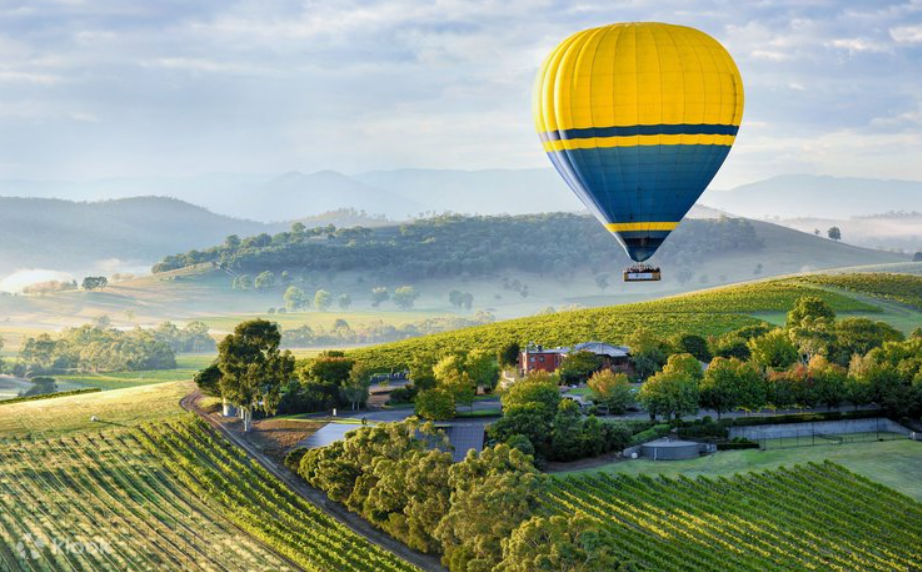
Yarra Valley is one of Victoria, Australia’s best-known regional valleys, located east of Melbourne and shaped by the Yarra River and the surrounding Great Dividing Range. The region is recognized for its fertile landscapes, cool-climate vineyards, forests, farms, and picturesque towns, making it an important destination for both nature and food-and-wine experiences.
The valley combines a productive agricultural landscape with protected natural areas and a long history of Indigenous culture, European settlement, farming, and winemaking. Its proximity to Melbourne also makes it one of the state’s more accessible rural regions, while the changing terrain provides a variety of landscapes within a relatively compact area.
Yarra Valley Quick Facts
| Fact | Details |
|---|---|
| Location | Eastern Victoria, near Melbourne |
| Country | Australia |
| Region | Victoria |
| Main River | Yarra River |
| Famous For | Wine, vineyards, forests, food and rural scenery |
| Climate | Temperate with cool, wet winters and mild to warm summers |
| Elevation | Varies considerably across the valley |
| Best Months | Generally October to April |
| Nearby City/Town | Melbourne, Healesville, Yarra Glen |
Where Is Yarra Valley?
Yarra Valley is located in southeastern Victoria, approximately 50–70 kilometres northeast of central Melbourne depending on the destination. It follows the Yarra River through a region of rolling farmland, vineyards, forests, and mountain foothills.
The valley includes communities such as Yarra Glen, Healesville, Coldstream, Lilydale, and surrounding rural districts. Its western and central areas are relatively close to Melbourne, while the landscape becomes more mountainous toward the east and northeast.
Geography and Landscape
The Yarra Valley is a broad, varied landscape rather than a single narrow valley. The Yarra River is its defining waterway, flowing through fertile agricultural land before continuing toward Melbourne and Port Phillip Bay.
The region includes vineyards, open pasture, orchards, eucalyptus forests, wetlands, and wooded hills. Toward the north and east, the terrain rises into the foothills and ranges associated with the Great Dividing Range. The combination of elevation, drainage, soils, and relatively cool conditions has helped make the area particularly suitable for grape growing.
The surrounding forests are part of a much larger natural landscape that includes the Yarra Ranges National Park and other protected areas.
History of Yarra Valley
The Yarra Valley has a long Indigenous history. The Wurundjeri Woi-wurrung people of the Kulin Nation have traditional connections to the Yarra River and surrounding lands. The river itself was known as Birrarung, a name that remains important to the area’s cultural identity.
European settlement expanded in the nineteenth century, bringing agriculture, timber production, and new transportation links. Early settlers cultivated crops and established pastoral properties along the fertile parts of the valley.
Viticulture became an important part of the region’s identity during the nineteenth century. Early vineyards helped establish a wine industry that later declined before experiencing a major revival during the twentieth century. Modern Yarra Valley wine production is particularly associated with cool-climate varieties such as Chardonnay and Pinot Noir.
Tourism subsequently became an important part of the regional economy, with wineries, farm-based businesses, restaurants, wildlife attractions, and nature areas drawing visitors from Melbourne and beyond.
How Was Yarra Valley Formed?
The landscape developed through long-term geological and erosional processes involving the Yarra River, surrounding uplands, and the broader geological structure of southeastern Victoria. Over time, flowing water and weathering helped shape the river valley and surrounding hills.
The region’s present landscape also reflects its position between lower agricultural areas and the higher terrain of the Great Dividing Range. Differences in elevation, drainage, soils, and climate contribute to the variety of environments found throughout the valley.
Yarra Valley Weather Throughout the Year
Yarra Valley has a temperate climate influenced by its inland position, elevation, and proximity to the ranges. Conditions vary across the region, but winters are generally cool and wetter while summers are milder than many parts of Australia.
January to March
Summer and early autumn are generally warm to mild, with January and February usually being the warmest period. Days are suitable for outdoor activities, although occasional hot conditions can occur. Rainfall can occur throughout the year rather than being limited to one season.
April to June
Autumn brings cooler temperatures and changing foliage in some areas. By May and June, daytime temperatures become noticeably lower, while rainfall generally increases as winter approaches. Mornings and evenings can be particularly cool.
July to September
Winter is cool and relatively wet. Frost can occur in some inland and elevated locations, particularly overnight. Early spring remains cool, but temperatures gradually increase through September.
October to December
Spring brings progressively warmer conditions and generally pleasant weather for exploring vineyards, gardens, farms, and outdoor attractions. December marks the beginning of summer, with longer and warmer days.
Best Weather for Visiting Yarra Valley
October through April is generally a comfortable period for exploring the region, particularly for visitors interested in outdoor attractions, vineyards, gardens, and countryside scenery. Autumn can also be appealing for cooler temperatures and seasonal colors.
Things to Do in Yarra Valley
Visit Wineries and Cellar Doors
Wine tasting is one of the region’s signature experiences. Visitors can explore cellar doors, sample locally produced wines, and learn about cool-climate viticulture.
Explore the Countryside
Driving through the valley provides access to vineyards, farms, orchards, forests, and small rural communities. The changing landscape makes scenic touring one of the simplest ways to experience the region.
Hike Through Forests
Walking trails in the surrounding parks and forests offer opportunities to experience the area’s native vegetation and mountain landscapes.
Visit Local Food Producers
The valley has a strong food culture, with farm shops, markets, orchards, bakeries, and restaurants showcasing locally produced ingredients.
Watch Native Wildlife
Wildlife experiences range from observing birds and native animals in natural environments to visiting dedicated wildlife facilities.
Enjoy Cycling
Road cycling and recreational cycling are popular ways to explore quieter country roads, vineyards, and rural landscapes, although routes can include significant hills.
Famous Attractions in and Around Yarra Valley
Healesville Sanctuary
Healesville Sanctuary is a major wildlife attraction dedicated to Australian native animals. It provides opportunities to see species such as koalas, kangaroos, wombats, and Australian birds.
Yarra Ranges National Park
This protected area covers extensive mountain forests and provides access to walking tracks, scenic landscapes, and native wildlife habitats.
Yarra River
The Yarra River runs through the heart of the region and is central to its landscape, agriculture, and cultural history.
Yarra Glen
Yarra Glen is one of the valley’s principal towns and a convenient base for exploring nearby vineyards, farms, and countryside attractions.
Healesville
Healesville is a historic regional town surrounded by forest and agricultural landscapes. It is also an important service center for visitors exploring the eastern part of the valley.
Dandenong Ranges
The Dandenong Ranges lie west of the central Yarra Valley and offer forested hills, gardens, walking areas, and scenic countryside close to Melbourne.
Maroondah Reservoir Park
Located near Healesville, Maroondah Reservoir Park combines a historic water-storage landscape with gardens, walking paths, and surrounding forest.
Wildlife and Nature
The valley and surrounding ranges support a diverse collection of Australian wildlife. Commonly encountered animals include eastern grey kangaroos, wombats, wallabies, possums, echidnas, and a wide variety of native birds. Koalas are also associated with the broader region, although sightings in the wild are not guaranteed.
Vegetation is dominated by native eucalyptus forests, with ferns and other moisture-loving plants appearing in wetter and more elevated areas. The Yarra River and its tributaries provide important freshwater habitats, while protected areas help preserve native ecosystems.
Conservation is particularly important in the surrounding ranges, where forests provide habitat for wildlife and contribute to the protection of waterways feeding the Yarra system.
How to Reach Yarra Valley
The valley is easily reached from Melbourne by road, with travel times varying according to the specific destination. Major routes from Melbourne lead toward Lilydale, Coldstream, Yarra Glen, and Healesville.
For visitors arriving by air, Melbourne Airport is the principal major airport. Public transport can take travelers from Melbourne toward Lilydale, after which local connections or private transport may be needed to reach more rural parts of the valley.
A car is generally the most convenient option for exploring vineyards, farms, nature reserves, and attractions spread across the region.
Where to Stay Near Yarra Valley
Accommodation is available throughout the valley and surrounding towns. Visitors can choose from boutique hotels, country guesthouses, bed-and-breakfast properties, farm stays, cabins, cottages, and larger resorts.
Healesville and Yarra Glen are convenient bases for visitors who want access to restaurants, wineries, and attractions. Rural accommodation among vineyards and countryside is another popular choice for travelers seeking a quieter stay.
Camping and cabin-style accommodation are also available in some surrounding parks and regional areas, subject to local availability and seasonal conditions.
Why Is Yarra Valley Famous?
Yarra Valley is famous for its cool-climate wine industry, fertile countryside, native forests, food producers, wildlife experiences, and proximity to Melbourne. Its combination of agricultural land and protected mountain environments gives the region a character that differs from Australia’s hotter and drier wine-growing areas.
Yarra Valley FAQs
Where is Yarra Valley located?
Yarra Valley is in Victoria, Australia, northeast of Melbourne. The region extends along the Yarra River and includes towns such as Yarra Glen and Healesville.
What is Yarra Valley famous for?
It is best known for wine production, particularly cool-climate Chardonnay and Pinot Noir, as well as its food, forests, wildlife, and rural scenery.
What is the weather like in Yarra Valley?
The region generally has mild to warm summers and cool, wetter winters. Weather can vary between the lower valley and higher surrounding areas.
What are the best months to visit Yarra Valley?
October through April generally offers comfortable conditions for outdoor exploration, while autumn is also attractive for cooler weather and seasonal scenery.
What can you do in Yarra Valley?
Visitors can explore wineries, enjoy local food, hike in surrounding forests, visit wildlife attractions, cycle through the countryside, and explore regional towns.
How do you reach Yarra Valley?
The region is easily accessible by road from Melbourne. Melbourne Airport is the closest major airport, while public transport can reach Lilydale before requiring additional local transportation.
Does Yarra Valley get snow?
Snow is uncommon in the lower valley but can occasionally occur at higher elevations in the surrounding mountain areas during suitable winter conditions.
What attractions are near Yarra Valley?
Major attractions include Healesville Sanctuary, Yarra Ranges National Park, Maroondah Reservoir Park, the Yarra River, Healesville, Yarra Glen, and the nearby Dandenong Ranges.
Final Thoughts
Yarra Valley offers a distinctive combination of river landscapes, vineyards, forests, wildlife, farming communities, and cultural history within easy reach of Melbourne. Its variety makes it suitable for visitors interested in food and wine as well as those looking for nature, countryside scenery, and outdoor experiences.
For More Visit Stay And Update
