
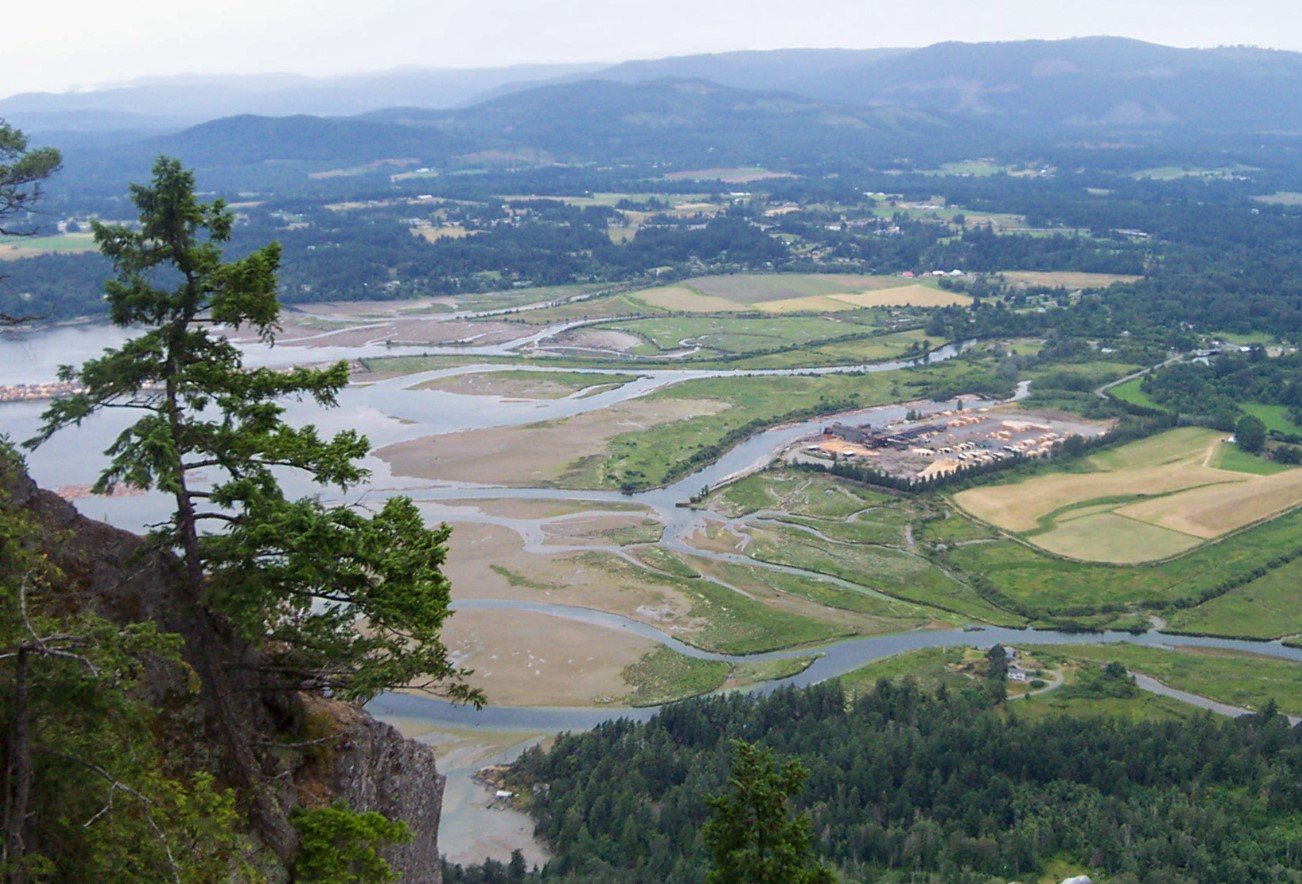
Cowichan Valley is a scenic agricultural and natural region on Vancouver Island in British Columbia, Canada. Known for its mild climate, fertile farmland, forests, rivers, vineyards, and coastal landscapes, the valley offers a distinctive combination of rural character and outdoor recreation. The region is centered around the Cowichan River and includes communities such as Duncan, Cowichan Bay, Lake Cowichan, and nearby rural areas.
The valley has a long Indigenous history and remains closely connected to the Cowichan Tribes, whose traditional territory encompasses much of the region. Today, Cowichan Valley is recognized for its wineries, farms, forests, waterways, cultural attractions, and access to Vancouver Island’s diverse landscapes.
Cowichan Valley Quick Facts
| Fact | Details |
|---|---|
| Location | Southern Vancouver Island, British Columbia |
| Country | Canada |
| Region | Vancouver Island |
| Main Communities | Duncan, Lake Cowichan, Cowichan Bay |
| Main River | Cowichan River |
| Famous For | Farms, wineries, forests, rivers and mild climate |
| Climate | Mild maritime climate |
| Best Months | Generally May to September |
| Nearby City | Nanaimo |
| Major Regional City | Duncan |
Where Is Cowichan Valley?
Cowichan Valley is located on southern Vancouver Island in British Columbia, between Nanaimo and Victoria. The region is bordered by the Strait of Georgia to the east and extends inland toward the Cowichan Lake area and surrounding mountain landscapes.
Duncan is the principal city and commercial center of the valley. Other important communities include Cowichan Bay, Lake Cowichan, Cobble Hill, Mill Bay, Chemainus, and Crofton. Its location makes the valley accessible from both Victoria and Nanaimo.
Geography and Landscape
The Cowichan Valley combines lowland farmland, forests, mountains, rivers, lakes, and coastal environments. The Cowichan River flows from Cowichan Lake through the valley before reaching the sea at Cowichan Bay.
Cowichan Lake is one of the region’s most significant natural features and provides a large freshwater setting surrounded by forested hills. The valley’s agricultural areas are concentrated in fertile lowlands, where the relatively mild climate supports vineyards, orchards, vegetable farms, and other agricultural operations.
The surrounding mountains and heavily forested areas create a transition between the valley floor and Vancouver Island’s rugged interior. Along the eastern side, coastal communities provide access to marine environments and sheltered waters.
History of Cowichan Valley
Cowichan Valley has been home to Indigenous peoples for thousands of years. The Cowichan Tribes, part of the Coast Salish peoples, have deep cultural, spiritual, and economic connections to the land and waterways. Traditional activities included fishing, gathering, hunting, and resource management. The Cowichan River and surrounding lands remain important to the community today.
European settlement expanded during the nineteenth century, followed by agriculture, forestry, transportation, and commercial development. Duncan developed as an important regional center, while logging and farming became major components of the local economy.
Over time, the region developed a more diversified identity. Agriculture remains important, while wineries, tourism, outdoor recreation, arts, and heritage attractions have added to the valley’s economy. The area’s Indigenous heritage continues to be an important part of its cultural identity.
How Was Cowichan Valley Formed?
The landscape of Cowichan Valley was strongly influenced by glaciation during the last Ice Age. Moving glaciers carved and reshaped valleys, lakes, and surrounding terrain across Vancouver Island.
As the glaciers retreated, they left behind altered river systems, lake basins, sediment deposits, and other landforms. Subsequent erosion and river activity continued to shape the valley, while the Cowichan River became an important natural corridor through the region.
Cowichan Valley Weather Throughout the Year
Cowichan Valley has one of Vancouver Island’s milder climates. Summers are generally warm and relatively dry, while winters are mild and wetter. Conditions vary between the valley floor, coastal communities, and higher elevations.
January to March
Winter is generally cool and wet, with frequent rainfall and occasional frost. Snow can occur, but persistent snow cover is uncommon in the lower valley. March gradually brings longer days and increasing temperatures.
April to June
Spring becomes progressively warmer and drier. April can still be rainy, while May and June typically bring more comfortable conditions for hiking, cycling, sightseeing, and exploring farms and gardens.
July to September
Summer is usually the warmest and driest period. July and August often provide sunny weather suitable for outdoor recreation, while September gradually becomes cooler but can remain pleasant.
October to December
Autumn brings cooler temperatures and increasing rainfall. October often retains mild conditions, while November and December are wetter and darker as the region moves into its winter season.
Best Weather for Visiting Cowichan Valley
May through September generally offers the most comfortable conditions for exploring the valley, particularly for outdoor activities, wineries, farms, cycling, and sightseeing. Summer provides the driest weather, while late spring and early autumn can be appealing for visitors who prefer cooler temperatures.
Things to Do in Cowichan Valley
- Visit wineries: Explore local vineyards and taste wines produced in the Cowichan Valley’s agricultural environment.
- Hiking: Trails through forests, parks, and river landscapes offer options for different abilities.
- Cycling: Rural roads and regional cycling routes provide opportunities to explore the countryside.
- Fishing: The Cowichan River and surrounding lakes are popular with anglers, subject to local regulations.
- Explore farms and markets: Farm stands, agricultural businesses, and local markets showcase the region’s food-producing character.
- Kayaking and paddling: Cowichan Lake, Cowichan Bay, and other waterways provide opportunities for paddling.
- Wildlife watching: Forests, rivers, wetlands, and coastal habitats support a variety of birds and other wildlife.
Famous Attractions in and Around Cowichan Valley
Cowichan River
The Cowichan River is the valley’s defining waterway, flowing from Cowichan Lake toward Cowichan Bay. It is important for recreation, wildlife, and the region’s natural environment.
Cowichan Lake
Cowichan Lake is a large freshwater lake surrounded by forests and mountains. Communities and recreation areas around the lake provide access to boating, swimming, fishing, and other outdoor activities.
Cowichan Bay
Cowichan Bay is a picturesque coastal community known for its waterfront, marine environment, fishing heritage, and views across the bay.
Kinsol Trestle
The Kinsol Trestle is a historic railway trestle crossing the Koksilah River. Its impressive wooden structure is a notable heritage landmark and destination for visitors exploring the Cowichan Valley.
BC Forest Discovery Centre
Located in Duncan, the BC Forest Discovery Centre explores British Columbia’s forestry history through exhibits, historic equipment, and a heritage railway.
Quw’utsun’ Cultural Centre
The Quw’utsun’ Cultural Centre in Duncan provides opportunities to learn about Cowichan culture, traditions, art, and Indigenous heritage.
Maple Bay
Maple Bay is a coastal community east of Duncan offering access to sheltered marine waters, beaches, boating, and surrounding natural areas.
Wildlife and Nature
Cowichan Valley contains a mixture of coastal, freshwater, forest, agricultural, and river ecosystems. Douglas-fir, western red cedar, western hemlock, arbutus, and other native vegetation are characteristic of the region’s forests and landscapes.
Wildlife includes black-tailed deer, black bears, river otters, beavers, raccoons, and numerous bird species. The Cowichan River is also an important habitat for salmon, particularly Chinook and chum salmon. Riparian areas and wetlands provide additional habitat for birds, amphibians, and aquatic species.
Conservation efforts across the valley focus on protecting forests, watersheds, salmon habitat, agricultural land, and other sensitive ecosystems.
How to Reach Cowichan Valley
Cowichan Valley is accessible by road from both Victoria and Nanaimo via Highway 1, which runs through the eastern portion of Vancouver Island. Duncan is approximately midway between the two cities.
Victoria International Airport is the nearest major airport for many visitors arriving by air, while Nanaimo Airport is another useful option depending on the travel route. BC Ferries provides vehicle and passenger connections from the mainland to Vancouver Island, including services arriving at Swartz Bay near Victoria and Duke Point near Nanaimo.
Bus services connect Duncan and other communities with larger Vancouver Island centers. Local transportation options vary between communities, so a vehicle can be useful for exploring rural areas and attractions spread throughout the valley.
Where to Stay Near Cowichan Valley
Duncan is the main accommodation base, with hotels, inns, guesthouses, and other lodging options. Cowichan Bay provides waterfront accommodation and a quieter coastal setting, while Lake Cowichan is suitable for visitors interested in lake-based recreation.
Rural parts of the valley also offer farm stays, bed-and-breakfasts, cabins, vacation rentals, and campgrounds. Camping is particularly popular around Cowichan Lake and other outdoor recreation areas.
Why Is Cowichan Valley Famous?
Cowichan Valley is best known for its combination of a mild Vancouver Island climate, fertile agricultural land, wineries, forests, rivers, lakes, coastal communities, and rich Indigenous heritage. Its varied landscape allows visitors to experience rural, cultural, and outdoor attractions within one relatively compact region.
Cowichan Valley FAQs
Where is Cowichan Valley located?
Cowichan Valley is on southern Vancouver Island in British Columbia, Canada, between Victoria and Nanaimo.
What is Cowichan Valley famous for?
The region is known for its farms, wineries, forests, Cowichan River, Cowichan Lake, coastal communities, and Cowichan cultural heritage.
What is the weather like in Cowichan Valley?
The valley has a mild maritime climate, with wetter winters and comparatively warm, dry summers.
What are the best months to visit Cowichan Valley?
May through September generally provides the most favorable weather for outdoor activities and sightseeing.
What can you do in Cowichan Valley?
Popular activities include hiking, cycling, wine tasting, fishing, kayaking, wildlife watching, and visiting farms and cultural attractions.
How do you reach Cowichan Valley?
Most visitors travel by car along Highway 1 from Victoria or Nanaimo. The region can also be reached by ferry and air connections through Vancouver Island’s major transportation hubs.
Does Cowichan Valley get snow?
Snow is possible during winter, but significant or persistent snowfall is relatively uncommon in the lower valley compared with higher parts of Vancouver Island.
What attractions are near Cowichan Valley?
Notable places include Cowichan Lake, Cowichan Bay, Kinsol Trestle, Maple Bay, the BC Forest Discovery Centre, and the Quw’utsun’ Cultural Centre.
Final Thoughts
Cowichan Valley offers a distinctive blend of Vancouver Island scenery, agriculture, Indigenous culture, waterways, forests, and coastal landscapes. Its mild climate and diverse attractions make it a rewarding destination for travelers interested in nature, local food, outdoor recreation, and regional history.
For More Visit Stay And Update
