
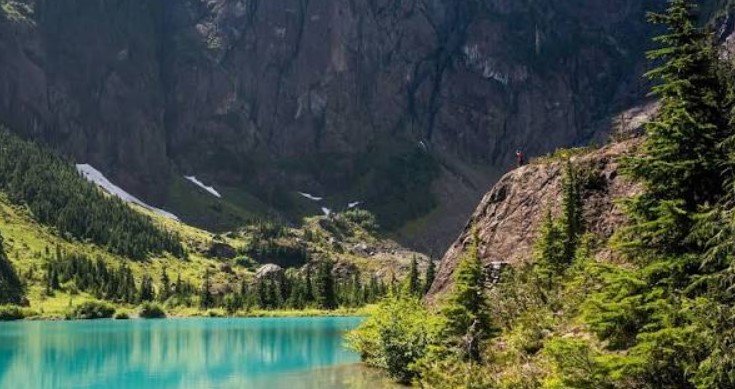
Comox Valley is a scenic coastal valley on the east side of Vancouver Island in British Columbia, Canada. It combines a sheltered coastline with forests, agricultural land, rivers, lakes, and mountain views, creating a landscape that is closely connected to both the ocean and the surrounding mountains.
The valley is centered around the communities of Courtenay, Comox, and Cumberland and serves as an important recreational and cultural area on Vancouver Island. Its setting provides opportunities for hiking, cycling, boating, wildlife viewing, skiing, and exploring local history and Indigenous culture.
Comox Valley Quick Facts
| Fact | Details |
|---|---|
| Location | East coast of Vancouver Island, British Columbia |
| Country | Canada |
| Region | Vancouver Island |
| Main Communities | Courtenay, Comox, Cumberland |
| Landscape | Coastal valley, forests, farmland and mountains |
| Famous For | Outdoor recreation, coastline, agriculture and mountain scenery |
| Climate | Mild maritime climate |
| Main Waterways | Courtenay River and Oyster River |
| Best Months | Generally June to September |
| Nearby Major City | Nanaimo |
Where Is Comox Valley?
Comox Valley is located on the northeastern side of Vancouver Island in British Columbia. It forms part of the Comox Valley Regional District, which covers approximately 1,725 square kilometres and includes Courtenay, Comox, Cumberland, and surrounding rural communities.
The valley faces the Salish Sea and Strait of Georgia, with coastal waters forming an important part of its geographic setting. The communities of Courtenay and Comox are the area’s principal population and service centres, while Cumberland lies farther inland at the foot of the surrounding mountains.
Geography and Landscape
The Comox Valley has a varied landscape shaped by its position between the coast and the Vancouver Island mountain ranges. Its eastern side opens toward the Salish Sea, while the western landscape rises toward forested mountains and the higher terrain of Strathcona Provincial Park.
The valley contains rivers, wetlands, agricultural fields, forests, beaches, and coastal habitats. The Courtenay River and Oyster River are two important water systems in the region, while Comox Harbour and nearby coastal waters connect the valley to the broader marine environment.
Mount Washington Alpine Resort, located in the mountains west of the valley, adds a distinctly alpine element to the regional landscape. This combination of ocean, lowland valley, forest, and mountains is one of the area’s defining geographical characteristics.
History of Comox Valley
The Comox Valley is the ancestral homeland of the K’ómoks First Nation, whose connection to the area extends back thousands of years. Indigenous communities developed extensive knowledge of the region’s marine, river, forest, and agricultural resources long before European settlement.
European settlement expanded during the nineteenth century. Agriculture became an important part of the local economy, while coastal communities developed around farming, fishing, forestry, transportation, and trade. Courtenay and Comox gradually became established as important service and commercial centres.
Cumberland developed a particularly strong connection with coal mining. Its mining heritage remains an important part of the community’s identity and contributes to the broader historical character of the valley. Over time, forestry, agriculture, tourism, recreation, and service industries became increasingly important to the regional economy.
How Was Comox Valley Formed?
The landscape of Comox Valley reflects the geological history of Vancouver Island, including mountain building, erosion, sediment deposition, and glacial activity. During the last Ice Age, glaciers covered much of Vancouver Island and influenced the shape of valleys, lowlands, waterways, and coastal terrain.
As the glaciers retreated, they left behind sediments and landforms that helped create the fertile lowlands of the region. Rivers and coastal processes have continued to reshape the valley, while the surrounding mountains remain a major influence on its climate and scenery.
Comox Valley Weather Throughout the Year
Comox Valley has a mild maritime climate influenced by the Pacific Ocean. Winters are generally cool and wet, while summers are comparatively warm and much drier. Conditions can vary between the coastal communities, inland areas, and higher mountain elevations.
January to March
Winter is typically the wettest period, with cool temperatures and frequent rainfall. Snow can occur at lower elevations but is more common and persistent in the mountains. March generally begins the transition toward milder spring conditions.
April to June
Spring becomes progressively warmer and drier. April and May bring longer daylight hours, while June usually provides comfortable temperatures for hiking, cycling, sightseeing, and exploring the coastline.
July to September
Summer is generally the warmest and driest part of the year. July and August are particularly popular for outdoor recreation, with long daylight hours and favorable conditions for boating, hiking, beaches, and cycling. September remains relatively mild while becoming less busy.
October to December
Autumn brings cooler temperatures and increasing rainfall. Forests take on seasonal color, while November and December typically become wetter and darker as winter approaches. Higher mountain areas can receive substantial snowfall during the colder months.
Best Weather for Visiting Comox Valley
June through September generally offers the most favorable conditions for visitors who want to enjoy outdoor activities, coastal scenery, hiking, and cycling. Spring and early autumn can also be rewarding for travelers who prefer cooler temperatures and fewer visitors.
Things to Do in Comox Valley
- Hiking: Explore trails through forests, coastal areas, and mountain landscapes.
- Cycling: Ride rural roads and dedicated routes connecting communities and countryside.
- Boating: The coastal setting provides opportunities for kayaking, paddling, sailing, and other water activities.
- Wildlife Watching: Look for marine and land-based wildlife around the coast, rivers, forests, and wetlands.
- Skiing and Snowboarding: Visit Mount Washington for winter sports and alpine recreation.
- Golf: Several courses in the region provide recreational opportunities against a mountain and coastal backdrop.
- Farm and Food Experiences: Explore the valley’s agricultural heritage through farms, markets, local food producers, and seasonal events.
Famous Attractions in and Around Comox Valley
Mount Washington Alpine Resort
Located in the mountains west of the valley, Mount Washington is a major year-round recreation destination, particularly known for skiing and snowboarding in winter.
Comox Harbour
Comox Harbour provides access to coastal scenery and marine recreation while offering views across the Salish Sea toward surrounding islands and mountains.
Courtenay
Courtenay is the valley’s main urban centre, with shops, restaurants, cultural attractions, riverfront areas, and access to surrounding outdoor destinations.
Cumberland
Cumberland is known for its historic connection to coal mining and its preserved heritage character. The community also serves as a popular base for mountain biking and outdoor recreation.
Strathcona Provincial Park
British Columbia’s oldest provincial park lies west of the valley and provides access to rugged mountain scenery, lakes, forests, and alpine environments.
Nymph Falls Nature Park
Located near Cumberland, this natural area protects forest and river scenery along the Puntledge River and provides walking opportunities close to the community.
Seal Bay Nature Park
This protected natural area north of Courtenay contains extensive forest and a network of recreational trails.
Wildlife and Nature
Comox Valley supports a mixture of coastal, river, forest, wetland, and agricultural ecosystems. The area’s waterways and coastline provide habitat for numerous bird species and marine animals, while its forests support mammals such as black bears, deer, coyotes, and smaller woodland species.
The region’s connection with the Salish Sea is particularly important for marine ecosystems. Salmon-bearing rivers, coastal wetlands, forests, and estuaries contribute to a diverse natural environment. Conservation and habitat-management efforts help protect these ecosystems as the valley continues to grow.
How to Reach Comox Valley
Comox Valley is accessible by road, air, and ferry connections. The main highway through the region is Highway 19, which links the valley with other communities on Vancouver Island. Highway 19A provides an alternative coastal route.
The closest commercial airport is Comox Valley Airport, located near Comox and offering scheduled connections to major Canadian destinations. Travelers can also reach Vancouver Island by ferry and continue north by road.
Public transportation connects the main communities, while local roads provide access to parks, beaches, rural areas, and mountain destinations.
Where to Stay Near Comox Valley
Accommodation is concentrated around Courtenay, Comox, Cumberland, and nearby rural areas. Visitors can choose from hotels, inns, guesthouses, vacation rentals, cabins, and campgrounds.
Courtenay and Comox are convenient for travelers wanting restaurants, shopping, and services close by. Cumberland works well for visitors interested in a smaller community atmosphere and easy access to mountain recreation. Campgrounds and outdoor accommodation are also available in and around the wider valley and nearby parks.
Why Is Comox Valley Famous?
Comox Valley is known for its unusual combination of coastal scenery, fertile lowlands, forests, mountains, outdoor recreation, agriculture, and Indigenous and settler history. Its proximity to both the Salish Sea and Vancouver Island’s mountain landscapes allows visitors to experience marine and alpine environments within the same regional destination.
Comox Valley FAQs
Where is Comox Valley located?
Comox Valley is on the east coast of Vancouver Island in British Columbia, Canada. Its main communities are Courtenay, Comox, and Cumberland.
What is Comox Valley famous for?
The valley is known for its coastal setting, mountain scenery, agriculture, outdoor recreation, Indigenous heritage, and access to nearby alpine areas.
What is the weather like in Comox Valley?
The valley has a mild maritime climate, with wetter winters and generally warmer, drier summers.
What are the best months to visit Comox Valley?
June through September are generally the most favorable months for outdoor activities, although spring and early autumn can also provide pleasant conditions.
What can you do in Comox Valley?
Popular activities include hiking, cycling, kayaking, boating, wildlife watching, skiing, sightseeing, and exploring local farms and communities.
How do you reach Comox Valley?
Visitors can drive along Highway 19, fly into Comox Valley Airport, or arrive on Vancouver Island by ferry and continue by road.
Does Comox Valley get snow?
Snow can occur in the valley during winter, but significant and reliable snowfall is much more common at higher elevations around Mount Washington and the surrounding mountains.
What attractions are near Comox Valley?
Notable attractions include Mount Washington Alpine Resort, Strathcona Provincial Park, Comox Harbour, Cumberland, Nymph Falls Nature Park, and Seal Bay Nature Park.
Final Thoughts
Comox Valley offers a distinctive blend of Vancouver Island’s coastal and mountain environments. Its combination of communities, natural areas, waterways, farmland, recreation, and cultural history makes it an appealing destination for travelers looking for both outdoor experiences and a relaxed regional setting.
For More Visit Stay And Update
