
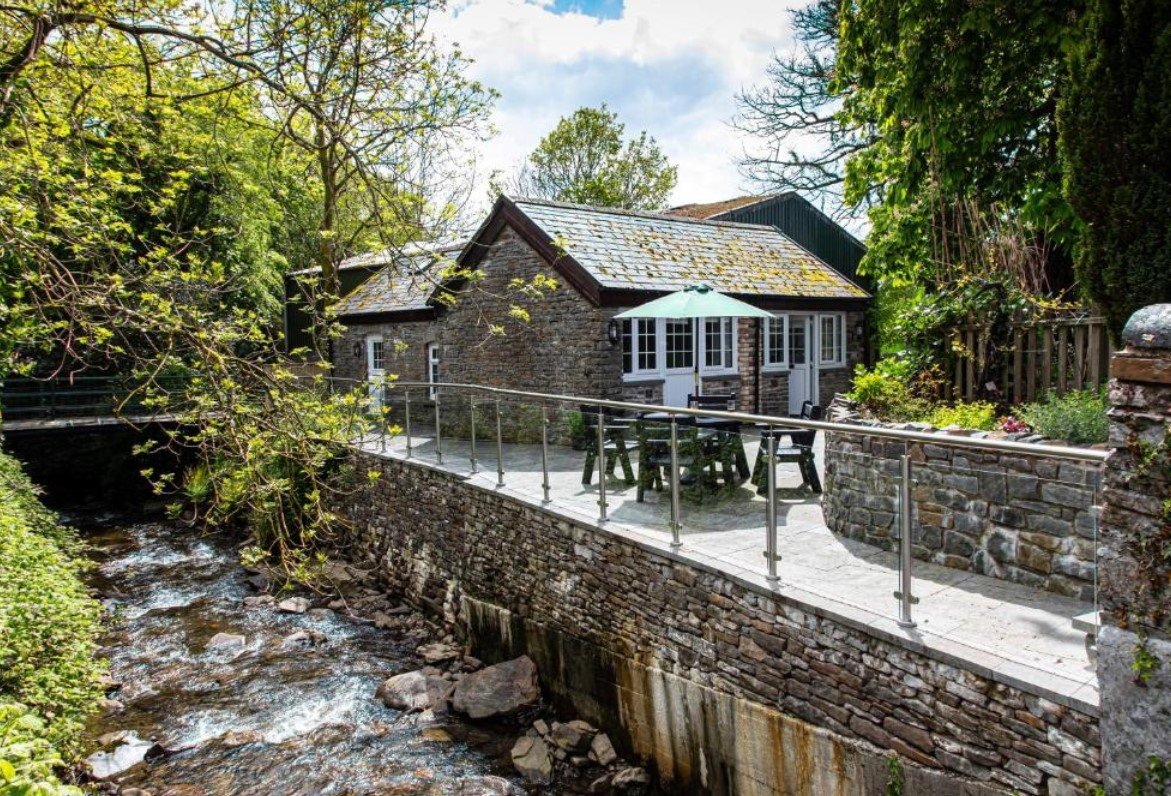
Swansea Valley, commonly known as the Swansea Valley or Cwm Tawe, is a scenic valley in South Wales shaped by the River Tawe and surrounded by the landscapes of the Brecon Beacons and western Welsh countryside. The valley combines industrial heritage with green hills, woodlands, riverside communities, and easy access to some of Wales’s best-known natural areas.
Stretching north from the city of Swansea toward the Brecon Beacons, the valley offers a different experience from the nearby coast. Its history is closely linked with coal mining and metal industries, while today it is valued for outdoor recreation, local heritage, and its position between urban Swansea and the mountains of Bannau Brycheiniog.
| Fact | Details |
|---|---|
| Location | South Wales |
| Country | United Kingdom |
| Region | Swansea and Powys |
| Welsh Name | Cwm Tawe |
| Main River | River Tawe |
| Landscape | River valley, hills, woodland and former industrial areas |
| Famous For | Industrial heritage and access to mountain scenery |
| Climate | Temperate maritime |
| Best Months | May to September |
| Nearby City | Swansea |
Where Is Swansea Valley?
Swansea Valley is located in South Wales, extending north from the city of Swansea along the River Tawe. The valley passes through communities including Pontardawe, Ystalyfera, Cwmllynfell, and Ystradgynlais before reaching the upland areas near Bannau Brycheiniog.
Its southern end is closely connected to Swansea, while the northern part provides access to the Brecon Beacons region. This location makes the valley a useful base for visitors who want to explore both South Wales’s industrial heritage and its countryside.
Geography and Landscape
The River Tawe is the defining natural feature of Swansea Valley. It flows south through the valley toward Swansea and eventually reaches Swansea Bay.
The landscape changes from lower, more populated areas in the south to increasingly rural and elevated terrain farther north. Green hills, wooded slopes, farmland, river corridors, and former industrial land all form part of the valley’s character.
The upper sections are particularly close to the mountain landscapes of Bannau Brycheiniog National Park. Waterfalls, caves, and limestone scenery can also be found in the wider area surrounding the northern valley.
History of Swansea Valley
Swansea Valley has a long history of settlement, but its modern identity was strongly shaped by industrial development. During the Industrial Revolution, the valley became important for coal mining, iron production, and other industries that depended on South Wales’s natural resources and transport connections.
Coal mining was particularly significant in many valley communities. Workers and their families settled around mines and industrial sites, helping towns such as Ystalyfera and Pontardawe develop during the nineteenth and early twentieth centuries.
As traditional heavy industries declined, the valley gradually changed. Many former industrial areas have been redeveloped or reclaimed, while local communities continue to preserve their cultural and industrial heritage. Today, the Swansea Valley is also associated with walking, cycling, nature, and tourism in the wider South Wales region.
How Was Swansea Valley Formed?
Swansea Valley developed over a very long period through geological processes and river erosion. The River Tawe gradually cut through the surrounding landscape, helping shape the valley seen today.
The wider region contains a mixture of sedimentary rocks, including formations associated with South Wales’s coal-bearing landscapes. Differences in rock type, erosion, and uplift contributed to the changing terrain, from lower river valleys to the higher hills and mountains nearby.
Swansea Valley Weather Throughout the Year
Swansea Valley has a temperate maritime climate. Weather can change quickly, and rainfall is possible throughout the year. Higher areas generally experience cooler and wetter conditions than the lower valley.
January to March
Winter and early spring are generally cool and damp. Daytime temperatures are often in the single digits Celsius, while frosty conditions can occur during colder periods. Higher ground may occasionally receive snow.
April to June
Spring brings gradually warmer temperatures and longer daylight hours. April can remain changeable, but May and June are often pleasant for walking and exploring the countryside.
July to September
Summer is usually the warmest period, with daytime temperatures often reaching the mid to high teens or low twenties Celsius. Rainfall remains possible, but this is generally the most popular period for outdoor activities.
October to December
Autumn brings cooler temperatures and changing woodland colours before wetter and colder conditions become more common toward winter. December is usually one of the coolest months of the year.
Best Weather for Visiting Swansea Valley
May through September generally offers the most comfortable weather for walking, cycling, sightseeing, and exploring the surrounding countryside. Late spring and early autumn can be particularly enjoyable for visitors who prefer milder temperatures and quieter conditions.
Things to Do in Swansea Valley
Explore Walking Trails
The valley and surrounding hills provide numerous opportunities for short walks and longer countryside routes. The nearby Bannau Brycheiniog landscape offers additional options for more demanding hikes.
Visit Waterfalls and Natural Areas
The wider northern area provides access to some of South Wales’s famous waterfalls, rivers, caves, and woodland scenery.
Cycle Through the Valley
Cycling is a practical way to explore parts of the valley and its surrounding countryside. Routes vary from relatively gentle valley-floor journeys to more challenging hill terrain.
Discover Industrial Heritage
Former mining communities and historic industrial landscapes offer insight into the role the valley played during South Wales’s industrial development.
Explore Local Towns and Villages
Places such as Pontardawe, Ystalyfera, and Ystradgynlais provide opportunities to experience local culture, shops, and community life.
Enjoy Nature and Photography
Woodlands, river scenery, hills, and changing seasonal conditions make the area suitable for landscape and nature photography.
Famous Attractions in and Around Swansea Valley
Pontardawe
Pontardawe is one of the main communities in the lower Swansea Valley. It provides services for visitors and has a strong connection with the valley’s industrial and cultural history.
Ystradgynlais
Located in the upper part of the valley, Ystradgynlais is a useful base for exploring the countryside and nearby areas of Bannau Brycheiniog.
Craig-y-Nos Country Park
Situated near the northern end of the valley area, Craig-y-Nos Country Park offers woodland walks, lakeside scenery, and access to the surrounding countryside.
Dan-yr-Ogof National Showcaves Centre for Wales
Located near Abercrave, this attraction is known for its extensive cave system and geological features. It is one of the most popular visitor attractions in the wider Swansea Valley region.
Henrhyd Falls
Henrhyd Falls is located near the upper valley area and is one of the best-known waterfalls in South Wales. The waterfall is surrounded by woodland and can be reached on foot.
Bannau Brycheiniog National Park
The northern Swansea Valley provides convenient access to Bannau Brycheiniog, offering mountain scenery, walking routes, caves, waterfalls, and open countryside.
Swansea
At the southern end of the valley, Swansea offers museums, shopping, restaurants, cultural attractions, and access to Swansea Bay.
Wildlife and Nature
Swansea Valley supports a mixture of river, woodland, grassland, and upland habitats. The River Tawe and smaller waterways provide important freshwater environments, while surrounding woodlands support a variety of birds and mammals.
The wider South Wales countryside is home to species such as red kites, buzzards, foxes, badgers, and numerous smaller birds and mammals. Plant life varies according to elevation, soil, and land use, with woodland and grassland habitats contributing to the area’s biodiversity.
Protected landscapes in and around Bannau Brycheiniog also play an important role in conserving the wider natural environment.
How to Reach Swansea Valley
Swansea is the main transport gateway to the southern part of the valley. The city has rail connections with major destinations in Wales and England, while the M4 motorway provides road access from Cardiff, Newport, and further east.
From Swansea, roads lead north through the valley toward Pontardawe, Ystalyfera, and Ystradgynlais. The A4067 is one of the main routes serving the valley.
Cardiff Airport is the nearest major airport for some international travelers, while Bristol Airport may also be a practical option depending on flight availability and onward travel plans.
Bus services connect Swansea with several communities in the valley, although having a car can provide greater flexibility for reaching rural attractions.
Where to Stay Near Swansea Valley
Visitors can choose accommodation based on which part of the valley they plan to explore. Swansea offers the widest range of hotels and serviced accommodation, along with easy access to restaurants and city attractions.
Smaller towns and villages in the valley may offer guesthouses, holiday cottages, and local accommodation. The northern part of the valley is also convenient for visitors interested in staying near Bannau Brycheiniog, where rural cottages, inns, campsites, and other countryside accommodation can be found.
Camping and self-catering options are particularly useful for visitors planning extended outdoor activities.
Why Is Swansea Valley Famous?
Swansea Valley is best known for its connection with the River Tawe, its important industrial heritage, and its location between the city of Swansea and the mountain landscapes of Bannau Brycheiniog. The combination of former mining communities, green countryside, waterfalls, caves, and outdoor opportunities gives the valley a distinctive place in South Wales.
Swansea Valley FAQs
Where is Swansea Valley located?
Swansea Valley is in South Wales, extending north from the city of Swansea along the River Tawe.
What is Swansea Valley famous for?
It is known for its industrial heritage, former coal-mining communities, river landscapes, and access to the Brecon Beacons region.
What is the weather like in Swansea Valley?
The valley has a temperate maritime climate with mild summers, cool winters, and rainfall throughout the year.
What are the best months to visit Swansea Valley?
May through September generally provides the most comfortable conditions for outdoor activities and sightseeing.
What can you do in Swansea Valley?
Visitors can enjoy walking, cycling, countryside exploration, heritage sites, waterfalls, caves, and nearby mountain landscapes.
How do you reach Swansea Valley?
Swansea is the main gateway. From there, the A4067 provides access to communities farther north in the valley.
Does Swansea Valley get snow?
Snow is uncommon in the lower valley but can occur during colder weather, particularly on the higher surrounding hills and mountains.
What attractions are near Swansea Valley?
Popular places in and around the area include Dan-yr-Ogof, Henrhyd Falls, Craig-y-Nos Country Park, Ystradgynlais, and Bannau Brycheiniog National Park.
Final Thoughts
Swansea Valley offers a valuable combination of natural scenery and South Wales heritage. Whether visitors are interested in walking, industrial history, waterfalls, caves, or exploring the nearby mountains, the valley provides an appealing route through one of Wales’s most varied landscapes.
For More Visit Stay And Update
