
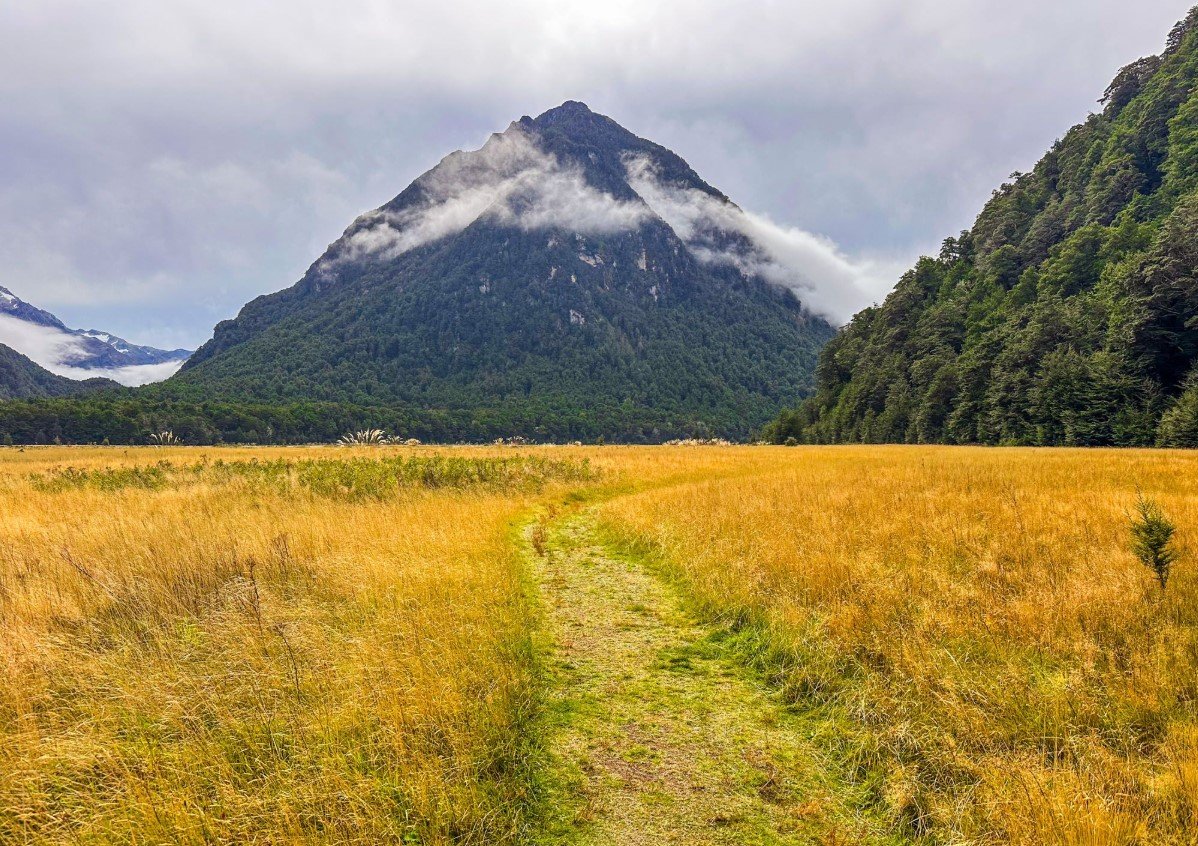
Dart Valley is a scenic river valley in Devon, southwest England, shaped by the River Dart and the surrounding landscapes of Dartmoor. It stretches from the high moorland around the river’s headwaters toward the wooded valleys and historic settlements of South Devon. The area combines open moorland, ancient woodland, river scenery, historic villages, and a long connection with farming, transport, and tourism.
The valley is closely associated with Dartmoor National Park and towns such as Ashburton, Buckfastleigh, Totnes, and Dartmouth. Its changing landscape makes the area suitable for walking, cycling, wildlife observation, sightseeing, and exploring historic places. The River Dart itself is central to the valley’s character, eventually reaching the English Channel at Dartmouth.
Dart Valley Quick Facts
| Fact | Details |
|---|---|
| Location | Devon, southwest England |
| Country | England, United Kingdom |
| Region | South West England |
| Main River | River Dart |
| Landscape | Moorland, woodland, river valleys and farmland |
| Famous For | River Dart, Dartmoor scenery, historic towns and woodland |
| Climate | Temperate maritime |
| Best Months | May to September |
| Nearby Towns | Ashburton, Buckfastleigh, Totnes and Dartmouth |
Where Is Dart Valley?
Dart Valley is located in Devon in southwest England and follows the course of the River Dart from the Dartmoor area toward the south coast. Its upper reaches are associated with the high ground of Dartmoor, while the lower valley becomes more wooded and passes through a series of historic communities before reaching Dartmouth.
The valley is not defined by a single administrative boundary. Instead, Dart Valley generally refers to the landscape surrounding the River Dart and its tributaries. Dartmoor lies to the north and west, while Totnes and Dartmouth provide important settlements farther south.
Geography and Landscape
The landscape changes considerably along the course of the River Dart. Near its headwaters on Dartmoor, the surroundings are open, exposed, and dominated by granite moorland, rocky outcrops, rough grassland, and heath. The higher Dartmoor landscape has a distinctly upland character.
Farther downstream, the valley becomes greener and more enclosed. Woodland, farmland, riverbanks, and steep-sided slopes become increasingly prominent. The river is formed by the East Dart and West Dart, which meet at Dartmeet before continuing southward.
The lower River Dart becomes wider as it approaches Dartmouth. Tidal waters eventually form the Dart estuary, creating a transition between the inland valley landscape and the coast.
History of Dart Valley
The history of Dart Valley is closely connected with the River Dart, Dartmoor, and the settlements that developed along the waterway. The surrounding region has been inhabited since prehistoric times, and Dartmoor contains numerous prehistoric monuments, including stone rows, burial sites, and standing stones.
During the medieval period, settlements such as Totnes and Dartmouth became increasingly important. Totnes developed as a market and trading town, while Dartmouth grew around its sheltered river location and became an important maritime center. The River Dart provided a natural route for movement and commerce between inland Devon and the sea.
The surrounding countryside was also shaped by farming, quarrying, forestry, and small-scale industries. Dartmoor’s granite was used extensively in buildings and walls, while the river supported transport and trade.
Tourism became increasingly important from the nineteenth century onward. Improved roads, rail connections, and growing interest in Dartmoor and the Devon countryside brought more visitors to the valley. Today, historic towns and villages remain an important part of the area’s identity alongside its natural landscape.
How Was Dart Valley Formed?
Dart Valley developed through the long-term interaction of the River Dart with the underlying rocks and changing landscapes of Devon. On Dartmoor, the river and its tributaries have cut through the granite and surrounding geological formations, while erosion has gradually shaped the valley.
Glacial ice did not cover most of Devon during the major Ice Ages, so the valley’s development differs from classic glacial valleys found in mountainous parts of the world. Instead, river erosion, weathering, mass movement, and changing sea levels have played important roles in shaping the Dart landscape.
Dart Valley Weather Throughout the Year
Dart Valley has a temperate maritime climate influenced by its southwestern position and proximity to the Atlantic Ocean. Conditions are generally milder than many inland parts of Britain, although Dartmoor’s higher elevations are cooler, wetter, and more exposed.
January to March
Winter and early spring are cool, wet, and often cloudy. Daytime temperatures commonly remain in the single digits Celsius, while higher Dartmoor areas can experience frost, strong winds, and occasional snow or sleet.
April to June
Spring brings gradually warmer temperatures and longer daylight hours. Rain remains possible, but conditions become increasingly suitable for walking and outdoor sightseeing. By June, daytime temperatures are often around the mid-to-high teens Celsius.
July to September
Summer is generally the warmest period, with daytime temperatures often around 18–22°C. Rain showers can occur at any time because of the maritime climate, and conditions on exposed Dartmoor can change quickly even when lower parts of the valley are sunny.
October to December
Autumn becomes cooler and wetter, with shorter days and more frequent Atlantic weather systems. Woodlands around the valley can provide attractive autumn scenery, while December brings colder conditions and occasional frost or snow on higher ground.
Best Weather for Visiting Dart Valley
May through September generally offers the most comfortable conditions for exploring Dart Valley, particularly for walking, cycling, sightseeing, and enjoying the river landscape. Late spring and early autumn can also be appealing for visitors who prefer fewer crowds and cooler temperatures.
Things to Do in Dart Valley
Walking and Hiking
The valley offers walking opportunities ranging from riverside paths and woodland routes to more demanding trails across Dartmoor.
Cycling
Quiet country roads and cycling routes around the Dartmoor area provide opportunities to explore the valley by bike.
Canoeing and Kayaking
Sections of the River Dart and nearby waterways offer opportunities for paddling, subject to local conditions, access rules, and water levels.
Wildlife Watching
Woodlands, moorland, farmland, and river habitats support a variety of birds and mammals, making quiet walks useful for nature observation.
Scenic Driving
The roads around Dartmoor and the Dart Valley pass through changing landscapes, historic settlements, wooded valleys, and open moorland.
Historic Sightseeing
Visitors can explore castles, churches, medieval streets, historic estates, and other heritage sites in towns throughout the valley.
Famous Attractions in and Around Dart Valley
Dartmoor National Park
The valley’s upper landscape connects closely with Dartmoor, one of England’s best-known protected landscapes, characterized by open moorland, granite tors, rivers, and historic settlements.
Dartmeet
Dartmeet is where the East Dart and West Dart come together. The surrounding landscape is one of the most recognizable parts of the upper Dart Valley.
Buckfast Abbey
Located near Buckfastleigh, Buckfast Abbey is a working Benedictine monastery with a long religious history and distinctive buildings and gardens.
Totnes Castle
This Norman castle overlooks the historic town of Totnes and provides views across the surrounding countryside.
Dartmouth
At the southern end of the river, Dartmouth is a historic maritime town known for its waterfront, harbor, and connection with the River Dart.
Greenway
Greenway, the former holiday home of writer Agatha Christie, sits above the River Dart and is now cared for by the National Trust.
Dartmouth Steam Railway
The heritage railway between Paignton and Kingswear provides views of the River Dart and surrounding South Devon countryside.
Sharpham Estate
Near Totnes, Sharpham is a rural estate beside the River Dart known for its countryside, walking opportunities, and environmental and agricultural interests.
Wildlife and Nature
Dart Valley contains a varied combination of river, woodland, heathland, grassland, and moorland habitats. The River Dart provides an important freshwater environment, while the surrounding woods support woodland birds, insects, bats, and small mammals.
Dartmoor’s open habitats are home to species adapted to upland conditions, including birds such as skylarks and meadow pipits. The wider region also supports deer, foxes, badgers, otters, and numerous bird species. Woodland areas contain native trees including oak, ash, birch, beech, and hazel, although tree composition varies across the valley.
Much of the surrounding landscape benefits from protected status through Dartmoor National Park and other conservation designations. These protections help preserve habitats, historic landscapes, waterways, and biodiversity.
How to Reach Dart Valley
Dart Valley is accessible by road, rail, and bus. The A38 is the main road serving the wider area and connects Devon with Exeter, Plymouth, and other parts of southwest England.
Totnes has a railway station on the main line between Exeter and Plymouth, making it one of the most convenient rail gateways to the lower Dart Valley. From Totnes, local buses and other transport options connect with surrounding communities.
Dartmouth and Kingswear are also connected by local ferry services, while the Dartmouth Steam Railway provides a heritage rail connection between Kingswear and Paignton.
Access to higher Dartmoor areas can become more challenging during severe winter weather, particularly on exposed roads.
Where to Stay Near Dart Valley
Accommodation is available throughout the valley and surrounding parts of Devon. Totnes and Dartmouth offer the widest range of hotels, guesthouses, bed-and-breakfast properties, and holiday accommodation.
Buckfastleigh and Ashburton provide convenient bases for visitors exploring the upper valley and Dartmoor. Rural areas also contain cottages, farm stays, and campsites, giving visitors options closer to the countryside.
For walkers and outdoor enthusiasts, staying near Dartmoor can reduce travel time to trails and moorland attractions, while coastal accommodation around Dartmouth suits visitors interested in combining the valley with South Devon’s maritime landscape.
Why Is Dart Valley Famous?
Dart Valley is famous for the River Dart and the remarkable variety of landscapes along its course, from the rugged heights of Dartmoor to wooded river valleys and the maritime setting around Dartmouth. Its combination of natural scenery, historic settlements, outdoor recreation, and cultural heritage makes it one of Devon’s most distinctive river landscapes.
Dart Valley FAQs
Where is Dart Valley located?
Dart Valley is in Devon, southwest England, following the River Dart from the Dartmoor area south toward Dartmouth and the English Channel.
What is Dart Valley famous for?
It is known for the River Dart, Dartmoor scenery, historic towns, woodland, wildlife, and the maritime heritage of Dartmouth.
What is the weather like in Dart Valley?
The area has a mild but changeable maritime climate. Summers are generally comfortable, while winters are wetter and cooler, with colder conditions on Dartmoor.
What are the best months to visit Dart Valley?
May through September generally offers the most favorable weather for outdoor activities, although spring and autumn can also be attractive.
What can you do in Dart Valley?
Popular activities include hiking, cycling, wildlife watching, sightseeing, scenic driving, canoeing, and exploring historic towns and landmarks.
How do you reach Dart Valley?
The valley can be reached by road and public transportation. Totnes provides an important railway connection, while buses and local services connect other parts of the area.
Does Dart Valley get snow?
Snow is possible during winter, particularly on higher parts of Dartmoor. Snow is less common and usually less persistent in the lower valley.
What attractions are near Dart Valley?
Major attractions include Dartmoor National Park, Dartmeet, Buckfast Abbey, Totnes Castle, Greenway, Dartmouth, and the Dartmouth Steam Railway.
Final Thoughts
Dart Valley offers a varied landscape that changes from rugged Dartmoor uplands to wooded river scenery and the historic waterfront of Dartmouth. Its combination of nature, heritage, outdoor activities, and accessible communities makes it a rewarding area for travelers interested in exploring the distinctive countryside of southwest England.
For More Visit Stay And Update
