
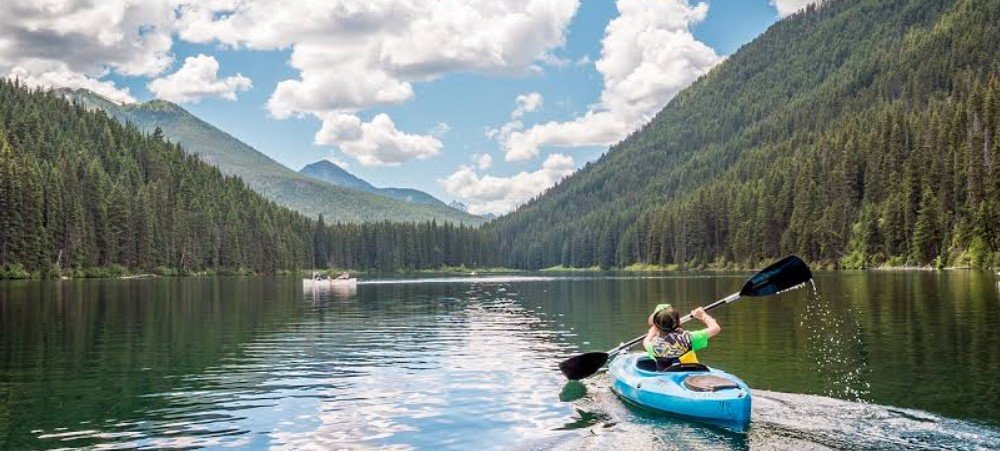
Fraser Valley is a fertile and scenic valley in southwestern British Columbia, Canada, stretching eastward from the Vancouver metropolitan area along the Fraser River. Known for its productive farmland, mountain scenery, river landscapes, forests, and close connection to several growing communities, the valley combines a strong agricultural identity with abundant opportunities for outdoor recreation.
The valley includes a diverse mix of rural farmland, urban communities, wetlands, forests, and mountain landscapes. Its proximity to Vancouver makes it easy to access, while places such as Abbotsford, Chilliwack, Mission, and Hope provide gateways to different parts of the region. The Fraser River remains the valley’s defining geographical feature and has influenced its settlement, agriculture, transportation, and economy for generations.
Fraser Valley Quick Facts
| Fact | Details |
|---|---|
| Location | Southwestern British Columbia |
| Country | Canada |
| Region | Lower Mainland / Fraser Valley |
| Elevation | Varies considerably from near sea level to surrounding mountains |
| Main River | Fraser River |
| Famous For | Agriculture, mountains, river scenery and outdoor recreation |
| Climate | Temperate oceanic with wet winters and mild summers |
| Best Months | Generally May to September |
| Major Communities | Abbotsford, Chilliwack, Mission, Hope |
Where Is Fraser Valley?
Fraser Valley is located in southwestern British Columbia, east of Vancouver and extending inland along the Fraser River. The region lies between the Coast Mountains to the north and the Cascade Mountains to the south and east.
The western portion connects with the Greater Vancouver area, while communities including Surrey, Langley, Mission, Abbotsford, Chilliwack, and Hope occupy different parts of the broader valley. Its location between major population centers and mountain regions makes it both an important residential area and a popular destination for day trips and outdoor activities.
Geography and Landscape
The Fraser Valley follows the lower and middle reaches of the Fraser River and contains some of the most productive agricultural land in British Columbia. The valley floor includes broad floodplains, fertile fields, wetlands, forests, and river islands, while mountains rise sharply along its northern and southern edges.
The Fraser River is central to the valley’s physical character. Numerous smaller waterways, including the Vedder and Harrison rivers, contribute to the region’s network of rivers and wetlands. Farther east, the valley becomes narrower and more mountainous as it approaches the Coast Mountains and the Fraser Canyon.
The surrounding landscape changes quickly from farmland and lowland forests to steep mountain terrain, creating a varied environment within a relatively compact region.
History of Fraser Valley
The history of Fraser Valley begins with Indigenous peoples who have lived along the Fraser River and its surrounding lands for thousands of years. Stó:lō communities have particularly deep cultural, historical, and spiritual connections to the Fraser River and the valley. The river has traditionally supported fishing, transportation, trade, and community life.
European exploration increased during the nineteenth century, including Simon Fraser’s 1808 expedition along the river that now bears his name. The Fraser River Gold Rush of 1858 brought thousands of newcomers to the region and accelerated colonial settlement.
Agriculture subsequently became a defining part of the valley’s economy. Fertile soils, accessible waterways, and improving transportation networks encouraged farming and the development of communities along the river. Over time, dairy farming, berry production, poultry, nurseries, and other agricultural industries became important contributors to the regional economy.
Today, the valley combines its agricultural heritage with expanding residential communities, tourism, conservation initiatives, and recreational development.
How Was Fraser Valley Formed?
Fraser Valley’s landscape has been shaped by glaciers, rivers, sediment deposition, and changes in sea level over long periods of geological time. During the last ice age, glaciers covered much of the region and helped carve and reshape the broader Fraser Valley landscape.
As the glaciers retreated, meltwater and the Fraser River transported enormous quantities of sediment through the valley. These deposits helped create the broad, fertile floodplain that supports much of the region’s agriculture today. Continued river activity still influences the valley through erosion, flooding, and sediment movement.
Fraser Valley Weather Throughout the Year
Fraser Valley has a temperate climate influenced by its proximity to the Pacific Ocean and surrounding mountains. Winters are generally cool and wet, while summers are warmer and considerably drier.
January to March
Winter and early spring are typically cool and rainy. January and February are among the wettest months, with cloudy conditions common. Snow can occur on the valley floor, but it is generally less persistent than in the surrounding mountains.
April to June
Spring brings gradually warmer temperatures and decreasing rainfall. By May and June, conditions are usually mild to warm, making this a popular period for gardens, farms, hiking, and other outdoor activities.
July to September
Summer is generally the warmest and driest period. July and August typically offer long daylight hours, relatively low rainfall, and comfortable conditions for exploring the valley. September remains mild while temperatures begin to decline.
October to December
Autumn becomes progressively cooler and wetter. October often retains some mild weather, while November and December bring shorter days, increased rainfall, and occasional snow or frost.
Best Weather for Visiting Fraser Valley
May through September generally offers the most favorable weather for exploring Fraser Valley. Summer is particularly suitable for outdoor recreation, farm visits, scenic drives, and hiking, while late spring and early autumn can provide comfortable temperatures with fewer midsummer crowds.
Things to Do in Fraser Valley
Explore Local Farms
The valley’s agricultural landscape supports farm markets, berry farms, seasonal produce stands, and agritourism experiences. Visitors can experience a side of British Columbia that is very different from its nearby urban centers.
Hike Mountain and Forest Trails
Trails throughout the valley and surrounding mountains range from easy walks to demanding climbs. Popular hiking areas provide access to forests, viewpoints, waterfalls, and alpine environments.
Visit Wineries and Breweries
The region has a growing collection of wineries, breweries, cideries, and farm-based producers. Tastings and seasonal events offer opportunities to sample locally produced food and beverages.
Enjoy River Recreation
The Fraser River and other waterways support activities such as fishing, boating, paddling, and riverside sightseeing, although conditions vary between locations and seasons.
Take Scenic Drives
Road trips through Abbotsford, Chilliwack, Mission, and the eastern valley reveal changing scenery from farmland and riverfront areas to forested mountain landscapes.
Experience Seasonal Festivals and Markets
Agricultural fairs, farmers’ markets, harvest events, and community festivals provide opportunities to experience local food, crafts, and regional culture.
Famous Attractions in and Around Fraser Valley
Fort Langley National Historic Site
This historic site preserves the former Hudson’s Bay Company trading post at Fort Langley and provides insight into the region’s colonial-era history.
Abbotsford’s Agricultural Areas
The countryside surrounding Abbotsford is recognized for farms, berry fields, dairies, markets, and seasonal agricultural attractions.
Harrison Hot Springs
Located north of the Fraser River near the eastern part of the region, Harrison Hot Springs is known for its hot springs, lake, mountain scenery, and resort community.
Bridal Veil Falls
Near Chilliwack, Bridal Veil Falls drops dramatically from a steep rock face and is one of the area’s notable waterfall destinations.
Cultus Lake
Cultus Lake is a major recreation destination south of Chilliwack, offering beaches, boating, hiking, and other outdoor attractions.
Chilliwack Lake
Surrounded by forested mountains, Chilliwack Lake provides a scenic setting for hiking, camping, boating, and nature viewing.
Fraser River
The river itself is one of the valley’s most important natural landmarks, shaping the region’s geography, agriculture, history, and communities.
Wildlife and Nature
Fraser Valley contains a mixture of wetlands, agricultural fields, forests, rivers, lakes, and mountain habitats. These environments support diverse bird and wildlife populations, particularly around the Fraser River and associated wetlands.
The region is important for migratory birds, including waterfowl and shorebirds. Salmon are also central to the ecology and culture of the Fraser River system, with several species migrating through waterways connected to the river. Black bears, deer, coyotes, beavers, and other mammals can be found in suitable habitats across the wider region.
Protected wetlands, conservation areas, agricultural lands, and mountain parks help preserve important habitat as communities continue to grow.
How to Reach Fraser Valley
Fraser Valley is easily accessible from Vancouver and other parts of southwestern British Columbia. Trans-Canada Highway 1 is the principal east-west road through much of the valley, connecting communities including Langley, Abbotsford, Chilliwack, and Hope.
Highway 7 provides another route along the northern side of the valley, while Highway 11 connects Abbotsford with Mission and surrounding communities. Vancouver International Airport is the nearest major international airport for most visitors, with Abbotsford International Airport providing another option.
Regional bus and rail services serve parts of the valley, although a private vehicle is generally the most flexible option for exploring rural areas and attractions.
Where to Stay Near Fraser Valley
Accommodation is available throughout the valley, with the largest selection found in communities such as Abbotsford, Chilliwack, Mission, and Langley. Visitors can choose from hotels, motels, guesthouses, farm stays, cabins, and vacation rentals.
Camping is also available at several parks and recreation areas, particularly around lakes and mountain destinations. Staying in different communities can be useful depending on whether the focus is agriculture, hiking, river recreation, or attractions farther east.
Why Is Fraser Valley Famous?
Fraser Valley is famous for the combination of the Fraser River, fertile agricultural land, dramatic mountain scenery, and diverse outdoor recreation. Its strong Indigenous and agricultural heritage, easy access from Vancouver, and mixture of rural and urban landscapes give the region a distinctive character within British Columbia.
Fraser Valley FAQs
Where is Fraser Valley located?
Fraser Valley is in southwestern British Columbia, east of Vancouver, and follows the Fraser River through communities including Abbotsford, Chilliwack, Mission, and Hope.
What is Fraser Valley famous for?
The region is known for agriculture, the Fraser River, mountain scenery, farms, outdoor recreation, and its cultural and historical connections to the Stó:lō peoples.
What is the weather like in Fraser Valley?
The valley generally has mild, wet winters and warmer, drier summers. Rainfall is much more common in autumn and winter than during summer.
What are the best months to visit Fraser Valley?
May through September generally provides the most favorable combination of warm temperatures and relatively dry weather for outdoor activities.
What can you do in Fraser Valley?
Visitors can hike, explore farms and markets, enjoy rivers and lakes, visit historic sites, tour local wineries and breweries, and take scenic drives.
How do you reach Fraser Valley?
Highway 1 is the main east-west route through the region. Vancouver International Airport and Abbotsford International Airport provide air access, while regional transportation serves several communities.
Does Fraser Valley get snow?
Yes. Snow can occur during winter, although accumulation on the valley floor is generally less persistent than in the surrounding mountains.
What attractions are near Fraser Valley?
Notable destinations include Fort Langley, Harrison Hot Springs, Cultus Lake, Chilliwack Lake, Bridal Veil Falls, and the Fraser River.
Final Thoughts
Fraser Valley offers a distinctive blend of river landscapes, productive farmland, mountain scenery, Indigenous history, and outdoor recreation. Its varied communities and easy access from Vancouver make it suitable for travelers looking for nature, culture, local food, and a quieter alternative to the region’s larger urban centers.
For More Visit Stay And Update
