
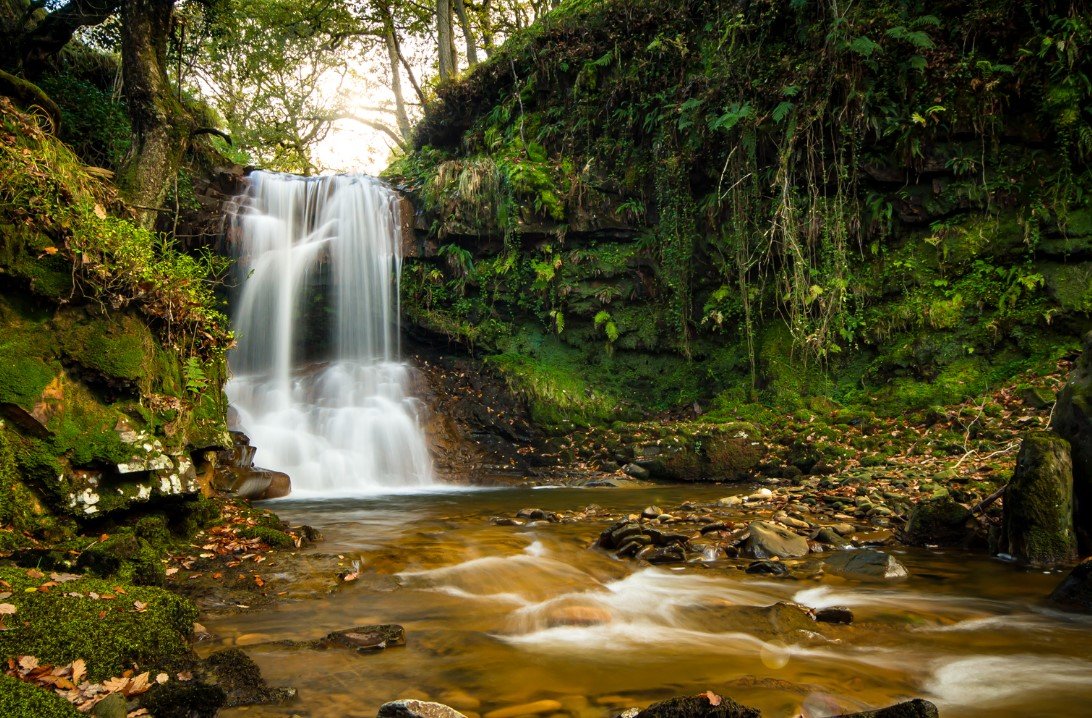
Neath Valley, also known as the Vale of Neath or Cwm Nedd, is one of the distinctive river valleys of South Wales. Shaped by the River Neath and surrounded by upland landscapes, it is known for wooded slopes, industrial heritage, historic settlements, and the waterfalls of its upper reaches.
The valley offers a different experience from a typical single-resort destination. Its character changes along its length, from the urban area around Neath to quieter communities and dramatic countryside toward the north, including the celebrated Waterfall Country near Pontneddfechan.
| Fact | Details |
|---|---|
| Location | South Wales |
| Country | United Kingdom |
| Region | Neath Port Talbot and the South Wales Valleys |
| Main River | River Neath (Afon Nedd) |
| Valley Type | Broad river valley with glacial influence |
| Famous For | Waterfalls, industrial heritage and scenic landscapes |
| Climate | Temperate maritime |
| Best Months | May to September for generally milder weather |
| Main Town | Neath |
| Notable Upper-Valley Area | Glynneath and Pontneddfechan |
Where Is Neath Valley?
Neath Valley is located in southwest South Wales, extending inland from the town of Neath toward the upland areas near the southern edge of Bannau Brycheiniog. The valley follows the course of the River Neath and includes settlements such as Tonna, Resolven, Glynneath, and Pontneddfechan.
Neath lies near the valley’s southern end and is approximately 8 miles northeast of Swansea. The valley forms part of the wider South Wales Valleys landscape and is well connected to surrounding communities by major roads and rail services.
Geography and Landscape
The Neath Valley landscape follows the River Neath through a broad valley bordered by upland plateaux. The valley floor rises gradually inland, while the surrounding slopes climb toward higher ground.
Its upper reaches are particularly known for rivers, wooded gorges, waterfalls, and rugged terrain. Several tributaries, including the Hepste, Mellte, Pyrddin, and Nedd Fechan, contribute to the area’s famous waterfall landscapes.
The valley also contains floodplains and river terraces shaped by long-term erosion and sediment deposition. The contrast between the lower, more developed valley and the wilder upper countryside gives Neath Valley a varied physical character.
History of Neath Valley
Human settlement in the Neath area has a long history. The strategic crossing point of the River Neath was important during the Roman period, when a fort known as Nidum was established near present-day Neath.
During the medieval period, Norman influence became significant. Neath Abbey was founded in the early twelfth century, and the town developed around important religious and commercial sites. The remains of the abbey remain one of the area’s most important historical landmarks.
Industry later transformed the valley. Coal mining, copper working, iron production, steel, and tinplate all contributed to the development of settlements in and around the Neath Valley. The Neath Canal and later railway connections helped link industrial communities with wider markets.
Although heavy industry shaped much of its modern history, many former industrial landscapes are now part of a region increasingly associated with heritage, outdoor recreation, and environmental conservation.
How Was Neath Valley Formed?
Neath Valley was shaped by a combination of river erosion, tectonic structure, and glaciation. During the ice ages, glaciers moving southward through the South Wales uplands deepened and widened existing valleys, helping create the broad U-shaped form seen in parts of the landscape.
As the ice retreated, meltwater and the River Neath continued to reshape the valley floor. Glacial deposits, sands, gravels, river terraces, and alluvial sediments remain important parts of the valley’s landscape today.
Neath Valley Weather Throughout the Year
Neath Valley has a temperate maritime climate. Weather can change quickly, and rainfall is common throughout the year, particularly in the surrounding uplands.
January to March
Winter is generally cool and wet. Frost is possible, while snow may occur on higher ground. March usually brings gradually longer and milder days, although rain remains common.
April to June
Spring brings increasing temperatures and greener landscapes. April and May can provide pleasant conditions for walking, while June generally offers longer daylight hours for exploring the valley.
July to September
Summer is usually the warmest period, although conditions remain variable compared with hotter continental climates. Rain showers can occur at any time, so waterproof clothing is useful for outdoor activities.
October to December
Autumn brings cooler temperatures and changing woodland colors. Rainfall can increase, and river levels may rise after prolonged wet weather. By December, colder winter conditions return.
Best Weather for Visiting Neath Valley
May through September generally offers the most comfortable conditions for walking, sightseeing, and exploring waterfalls. However, visitors should expect occasional rain in any season, and waterfalls can be particularly impressive after wet weather.
Things to Do in Neath Valley
- Walk through Waterfall Country: Explore woodland trails and river gorges around the upper valley.
- Hike and explore the countryside: The surrounding hills and valleys offer routes for different fitness levels.
- Visit historical sites: Discover the area’s Roman, medieval, and industrial heritage.
- Photography: Waterfalls, wooded valleys, historic ruins, and changing seasonal scenery offer excellent subjects.
- Explore the Neath Canal area: Walk or cycle along sections connected with the region’s industrial past.
- Wildlife watching: Woodlands and river corridors provide opportunities to observe birds and other native wildlife.
- Enjoy local towns and villages: Stop in communities such as Neath, Resolven, and Glynneath to experience the valley’s local character.
Famous Attractions in and Around Neath Valley
Aberdulais Tin Works and Waterfall
Located near Neath, this historic site combines industrial heritage with one of the area’s best-known waterfalls.
Neath Abbey
The remains of Neath Abbey provide an important link to the medieval history of the region. The abbey was founded in the twelfth century and remains a significant historic landmark.
Melincourt Falls
Near Resolven, Melincourt Falls is a scenic waterfall surrounded by woodland and is associated with the area’s long tradition of waterfall tourism.
Waterfall Country
The upper Neath Valley is closely associated with Waterfall Country, where several rivers and tributaries create a remarkable concentration of cascades and waterfalls.
Pontneddfechan
This village is an important gateway to some of the best-known walking routes and waterfalls in the upper valley.
Gnoll Estate Country Park
Located near Neath, this park combines landscaped grounds, woodland, walking routes, and local history.
Neath Town Centre
The town provides access to the valley’s heritage and transport links, with historic sites connected to its Roman, medieval, and industrial past.
Wildlife and Nature
Neath Valley supports a mixture of river, woodland, grassland, and upland habitats. The River Neath and its tributaries are important natural corridors, while the wetter upper-valley environment supports mosses, ferns, and woodland vegetation.
Birdlife varies across the landscape, and native mammals can be found in the region’s forests and countryside. Conservation of waterways and woodland habitats is important because the valley’s ecosystems are closely connected to rainfall, river conditions, and land management.
How to Reach Neath Valley
Neath is the main transport gateway to the valley. Neath railway station is on the South Wales Main Line, with rail connections toward Swansea, Cardiff, and other major destinations.
By road, the M4 provides access to the Neath area, while the A465 Heads of the Valleys route provides an important connection toward the upper valley and other parts of South Wales.
For air travelers, Cardiff Airport is the nearest major airport in Wales, while Bristol Airport is another option for visitors arriving from outside the region. Local buses and private vehicles provide access to smaller settlements and countryside locations.
Where to Stay Near Neath Valley
Neath is a practical base for visitors who want access to transport, restaurants, and services. Accommodation in and around the town includes hotels and smaller guest accommodation.
For a quieter countryside experience, visitors can also look for cottages, guesthouses, campsites, and rural accommodation around the upper valley and nearby communities. Staying near Glynneath or Pontneddfechan can be convenient for exploring Waterfall Country, while Swansea provides a larger selection of accommodation within driving distance.
Why Is Neath Valley Famous?
Neath Valley is famous for combining dramatic South Wales scenery with a strong industrial and cultural heritage. Its upper reaches are especially recognized for waterfalls and river landscapes, while the wider valley reflects centuries of Roman settlement, medieval development, mining, metalworking, and transport history.
Neath Valley FAQs
Where is Neath Valley located?
Neath Valley is in South Wales, United Kingdom, extending inland from the town of Neath toward the uplands near Bannau Brycheiniog.
What is Neath Valley famous for?
It is known for its waterfalls, wooded river landscapes, industrial heritage, and historic sites such as Neath Abbey.
What is the weather like in Neath Valley?
The valley has a temperate maritime climate with mild summers, cool winters, and rainfall throughout the year.
What are the best months to visit Neath Valley?
May through September generally offers the most comfortable weather for walking and sightseeing, although waterfalls can be impressive during wetter periods.
What can you do in Neath Valley?
Visitors can walk, hike, photograph waterfalls, explore historic sites, visit parks, and enjoy the area’s industrial heritage.
How do you reach Neath Valley?
Neath is accessible by train and road. The M4 and A465 provide important road connections, while Neath railway station links the area with major South Wales destinations.
Does Neath Valley get snow?
Snow is possible during winter, particularly on the surrounding higher ground, but it is generally less frequent on the lower valley floor.
What are the main attractions near Neath Valley?
Popular attractions include Waterfall Country, Melincourt Falls, Aberdulais Tin Works and Waterfall, Neath Abbey, Gnoll Estate Country Park, and Pontneddfechan.
Final Thoughts
Neath Valley is a distinctive South Wales landscape where rivers, waterfalls, wooded hills, historic settlements, and industrial heritage come together. It is well suited to visitors interested in walking, nature, local history, and exploring a less crowded side of the Welsh countryside.
For More Visit Stay And Update
