
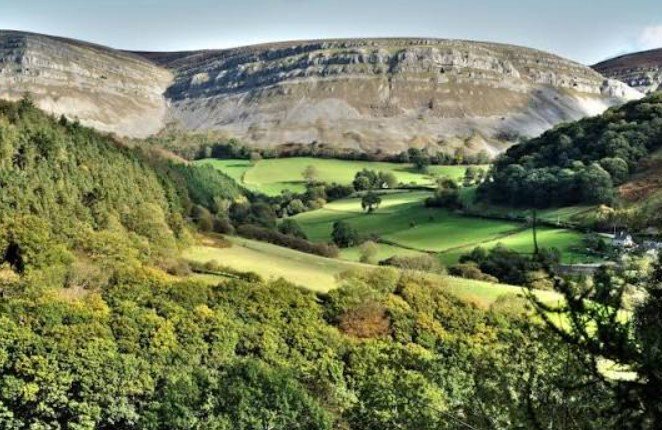
Dee Valley is a scenic river valley in north-east Wales, shaped by the River Dee as it flows through a landscape of hills, woodland, historic towns, and dramatic mountain scenery. The valley is particularly well known for the area around Llangollen, where the river, canal, railway heritage, and surrounding countryside create one of Wales’s most distinctive cultural landscapes.
The valley offers more than scenic views. Its history includes ancient settlement, medieval Welsh heritage, industrial development, and important transport routes. Today, the Dee Valley attracts walkers, nature lovers, heritage visitors, and travelers exploring the wider landscapes of Denbighshire and the Welsh borderlands.
| Fact | Details |
|---|---|
| Location | North-east Wales |
| Country | Wales, United Kingdom |
| Region | Denbighshire and surrounding areas |
| Main River | River Dee (Afon Dyfrdwy) |
| Famous For | Llangollen, river scenery, Pontcysyllte Aqueduct and heritage |
| Landscape | River valley, hills, woodland and upland scenery |
| Climate | Temperate maritime |
| Best Months | May to September |
| Nearby Town | Llangollen |
| Protected Landscape | Parts lie near the Clwydian Range and Dee Valley National Landscape |
Where Is Dee Valley?
Dee Valley is located in north-east Wales, following the course of the River Dee through parts of Denbighshire and the surrounding Welsh landscape. One of its best-known sections lies around the historic town of Llangollen, west of Wrexham and within reach of the English border.
The valley extends across a varied area rather than functioning as a single small settlement. Llangollen is the main tourism centre for visitors exploring this part of the valley, while Corwen and other communities provide access to different sections of the River Dee.
The area is well connected by road, and its position makes it accessible from cities and towns in north Wales, north-west England, and the West Midlands.
Geography and Landscape
The geography of Dee Valley is defined by the River Dee, which flows through a changing landscape of narrow valley sections, open countryside, wooded slopes, and surrounding uplands. The valley becomes particularly dramatic near Llangollen, where steep hills rise above the river and historic transport routes follow the natural corridor.
The wider area includes parts of the Berwyn Mountains and the landscapes associated with the Clwydian Range and Dee Valley National Landscape. The terrain changes considerably from lower riverbanks and meadows to higher moorland and hills.
Water is central to the valley’s character. The River Dee supports a range of river habitats, while the Llangollen Canal follows part of the valley and connects with one of the area’s most famous engineering landmarks, the Pontcysyllte Aqueduct.
History of Dee Valley
The Dee Valley has a long human history, with evidence of settlement and activity in the wider region stretching back thousands of years. The area was important to Welsh communities throughout the medieval period, and the surrounding hills and valleys played a role in the history of the Welsh kingdoms.
Llangollen developed as an important settlement and later became associated with trade, tourism, and cultural life. The town is also known for the International Musical Eisteddfod, established in 1947, which brought international attention to the area.
Industrial and transport development had a major impact on the valley. The Llangollen Canal and Pontcysyllte Aqueduct were constructed during the Industrial Revolution to improve transportation connections. The arrival of the railway further strengthened the valley’s role as a transport corridor and eventually contributed to the development of heritage tourism.
Today, historic sites, preserved railways, canals, and traditional towns help visitors understand how the landscape has changed from a working transport and industrial region into an important cultural and tourism destination.
How Was Dee Valley Formed?
Dee Valley developed over a very long period through geological processes and erosion. The River Dee played a major role in shaping the valley by cutting through the surrounding landscape and carrying sediment downstream.
During the Ice Ages, glaciers also influenced the wider landscape of north Wales. Glacial erosion and later river activity helped shape the valleys, hills, and surrounding terrain seen today. Over time, weathering and natural erosion continued to modify the slopes and river corridor.
Dee Valley Weather Throughout the Year
Dee Valley has a temperate maritime climate, meaning the weather is generally mild but changeable. Rainfall can occur throughout the year, while temperatures vary according to season and elevation. Higher surrounding hills are usually cooler and wetter than the lower valley.
January to March
Winter and early spring are generally cool and damp. Frost is possible, particularly on clear nights, while higher ground can experience snow and icy conditions. Daytime temperatures are usually modest, and rain can make some countryside paths muddy.
March often brings the first signs of spring, although weather conditions can still change quickly.
April to June
Spring brings greener landscapes, longer daylight hours, and generally improving conditions for walking and sightseeing. Daytime temperatures gradually become milder, often reaching the mid-teens Celsius and occasionally higher during warm periods.
May and June are among the most pleasant months for exploring the valley, although rain showers remain possible.
July to September
Summer is usually the warmest period, with daytime temperatures commonly reaching the high teens or low twenties Celsius during pleasant weather. Conditions are suitable for walking, cycling, river activities, and exploring local attractions.
Rainfall can still occur, as is typical across Wales, so visitors should be prepared for changing conditions.
October to December
Autumn brings cooler temperatures and changing woodland colours, especially during October. Rainfall becomes more frequent as winter approaches, while daylight hours become shorter.
November and December are generally cool, and higher routes may experience more difficult conditions during storms or icy weather.
Best Weather for Visiting Dee Valley
For most visitors, May through September offers the most comfortable weather for walking, sightseeing, cycling, and exploring outdoor attractions. Late spring is especially appealing for green landscapes, while early autumn can offer pleasant temperatures and seasonal colour with fewer summer visitors.
Things to Do in Dee Valley
Walk the Valley and Surrounding Hills
The area offers routes ranging from gentle riverside walks to more demanding hikes in the nearby hills and uplands. Walking is one of the best ways to experience the changing scenery.
Explore Llangollen
Visitors can spend time exploring Llangollen’s historic streets, independent shops, riverside areas, and cultural attractions.
Ride a Heritage Railway
The Llangollen Railway offers a heritage rail experience through the Dee Valley, allowing visitors to enjoy the scenery from restored trains.
Take a Canal Trip
Boat trips and canal experiences provide a different perspective on the valley’s historic waterways.
Visit Historic Sites
Castles, abbeys, bridges, and other historic landmarks in and around the valley provide insight into the area’s Welsh and industrial heritage.
Go Cycling
Quiet roads and countryside routes make the region suitable for recreational cycling, with options ranging from easier valley routes to more challenging hill rides.
Enjoy Nature and Photography
River scenery, woodland, hills, and changing seasonal conditions provide opportunities for wildlife observation and landscape photography.
Famous Attractions in and Around Dee Valley
Pontcysyllte Aqueduct
This remarkable early nineteenth-century aqueduct carries the Llangollen Canal high above the River Dee. It is one of Wales’s most important engineering landmarks and part of a UNESCO World Heritage Site.
Llangollen
Llangollen is the best-known town in the valley and serves as a major base for exploring the surrounding landscape, waterways, and historic attractions.
Llangollen Canal
The canal follows a scenic route through the countryside and remains a popular destination for walking, boating, and enjoying the region’s industrial heritage.
Castell Dinas Brân
The ruins of this medieval Welsh castle stand high above Llangollen. The site offers a striking historic setting and wide views across the surrounding landscape.
Horseshoe Pass
Located near Llangollen, Horseshoe Pass is a mountain route known for its elevated scenery and access to walking areas.
Valle Crucis Abbey
These atmospheric medieval abbey ruins near Llangollen provide an important connection to the religious and cultural history of the region.
Llangollen Railway
The heritage railway follows the Dee Valley and offers a popular way to experience the area’s historic transport heritage.
Wildlife and Nature
The Dee Valley supports a mixture of river, woodland, grassland, and upland habitats. The River Dee is an important ecological feature, supporting fish and other freshwater species while providing feeding areas for birds and mammals.
Woodland and countryside habitats support species commonly found in north Wales, including red squirrels in some suitable areas of the wider region, bats, birds of prey, and a variety of smaller mammals and birds. The surrounding protected landscapes also help conserve the area’s natural character.
How to Reach Dee Valley
The most convenient way to reach Dee Valley is by road. Llangollen is accessible from the A5, an important route through north Wales and the border region.
The nearest major rail connections are outside Llangollen, with stations at Chirk, Ruabon, and Wrexham providing access to the wider rail network. From these areas, visitors can continue by bus, taxi, or other local transport.
For international and long-distance travelers, Manchester and Liverpool airports are among the larger airports within reasonable driving distance. Birmingham Airport is another possible gateway for visitors coming from the Midlands.
Where to Stay Near Dee Valley
Llangollen is the most convenient accommodation base for many visitors. The town and surrounding area offer hotels, guesthouses, bed-and-breakfast properties, holiday cottages, and smaller independent accommodation.
Camping and caravan sites are also available in the wider countryside, making the valley suitable for visitors who prefer outdoor accommodation.
Other nearby towns and rural communities provide additional options. Staying outside Llangollen can be useful for visitors planning to explore a wider area of north-east Wales.
Why Is Dee Valley Famous?
Dee Valley is famous for combining natural river scenery with Welsh history and outstanding industrial heritage. The River Dee, Llangollen Canal, Pontcysyllte Aqueduct, surrounding hills, and historic landmarks give the valley a distinctive identity that appeals to both outdoor visitors and heritage travelers.
Dee Valley FAQs
Where is Dee Valley located?
Dee Valley is in north-east Wales, mainly associated with the River Dee and the area around Llangollen in Denbighshire.
What is Dee Valley famous for?
It is known for the River Dee, Llangollen, Pontcysyllte Aqueduct, canal heritage, scenic countryside, and nearby historic landmarks.
What is the weather like in Dee Valley?
The valley has a mild but changeable maritime climate. Summers are generally pleasant, while winters are cool and wetter, especially on higher ground.
What are the best months to visit Dee Valley?
May through September generally provides the most comfortable conditions for walking, sightseeing, cycling, and outdoor activities.
What can you do in Dee Valley?
Popular activities include walking, cycling, heritage railway trips, canal experiences, sightseeing, photography, and exploring historic sites.
How do you reach Dee Valley?
Most visitors arrive by road, with Llangollen accessible from the A5. Nearby rail stations include Chirk, Ruabon, and Wrexham.
Does Dee Valley get snow?
Snow is possible during winter, particularly on the higher hills and upland areas surrounding the valley. Snowfall is less common and usually less persistent at lower elevations.
Is Dee Valley suitable for hiking?
Yes. The valley and surrounding countryside offer a range of walking opportunities, from relatively easy riverside routes to more demanding hill walks.
Final Thoughts
Dee Valley offers a distinctive mix of Welsh countryside, river scenery, industrial heritage, and historic landmarks. Whether visiting for walking, cultural attractions, scenic travel, or a relaxing stay near Llangollen, the valley provides a varied experience that reflects both the natural and human history of north-east Wales.
For More Visit Stay And Update
