
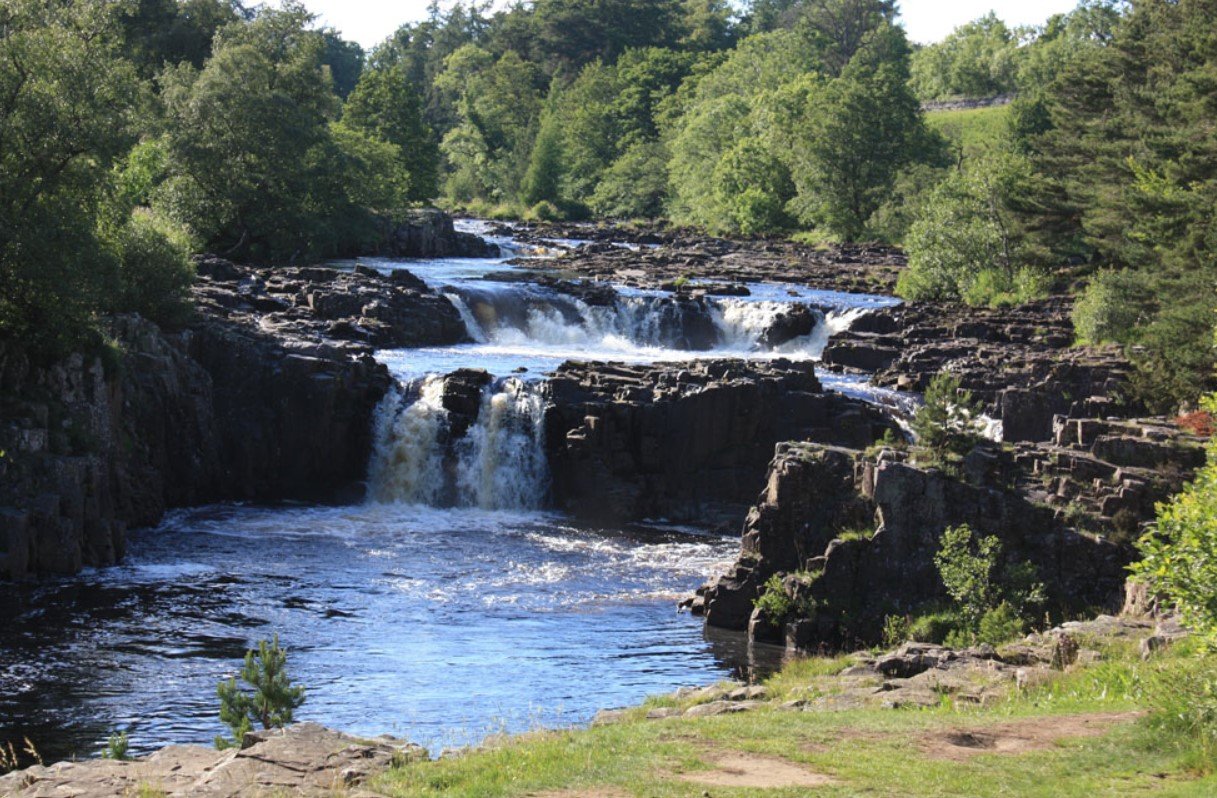
Tees Valley is a distinctive region in North East England shaped by the River Tees, industrial heritage, market towns, countryside, and the North Sea coast. Although the name describes a wider economic and geographic region rather than a single narrow valley, the River Tees provides an important thread connecting its communities and landscapes.
The area offers an unusual mix of urban centres, historic sites, wetlands, coastline, and rural scenery. From Middlesbrough and Stockton-on-Tees to Darlington, Hartlepool, and Redcar & Cleveland, Tees Valley brings together five different boroughs with their own identities and attractions.
Tees Valley Quick Facts
| Fact | Details |
|---|---|
| Location | North East England |
| Country | England, United Kingdom |
| Region | North East England |
| Main River | River Tees |
| Main Areas | Darlington, Hartlepool, Middlesbrough, Redcar & Cleveland, Stockton-on-Tees |
| Famous For | Industrial heritage, coastline, River Tees and nature |
| Climate | Temperate maritime |
| Best Months | May to September |
| Nearby Major City | Newcastle upon Tyne |
| Airport | Teesside International Airport |
Where Is Tees Valley?
Tees Valley is located in North East England, around the lower and middle reaches of the River Tees. It lies between County Durham and North Yorkshire and extends from inland areas around Darlington toward the Tees estuary and the North Sea coast.
The modern Tees Valley region includes the local authority areas of Darlington, Hartlepool, Middlesbrough, Redcar & Cleveland, and Stockton-on-Tees. Middlesbrough is one of the area’s principal urban centres, while Darlington forms an important western gateway.
Geography and Landscape
Tees Valley has a varied landscape rather than the steep, enclosed terrain often associated with a traditional mountain valley. The River Tees is the region’s defining natural feature, flowing eastward through urban areas and countryside before reaching the North Sea.
The western and southern parts of the region include open countryside and rolling landscapes, while the east opens onto the coast around Hartlepool and Redcar. The Tees estuary creates an important transition between river, wetland, industrial land, and coastal environments.
The landscape also reflects centuries of human development. Industrial areas, ports, bridges, towns, and transport routes sit alongside beaches, nature reserves, woodland, and rural communities.
History of Tees Valley
The Tees Valley area has a long history shaped by its river, transport connections, agriculture, industry, and maritime trade. Communities developed along the River Tees because it provided access to water, transport, and natural resources.
During the Industrial Revolution, the wider Teesside area became internationally important for iron and steel production, shipbuilding, engineering, and chemical industries. Middlesbrough grew rapidly during the nineteenth century, while Stockton-on-Tees and Hartlepool developed strong commercial and maritime connections.
Darlington also holds a significant place in railway history. The Stockton and Darlington Railway, which opened in 1825, is widely associated with the development of the modern railway age.
Today, the region continues to combine its industrial heritage with regeneration, new technology, culture, tourism, and environmental projects. The Tees Valley Combined Authority was created in 2016 to support economic development across the five boroughs.
How Was Tees Valley Formed?
The wider Tees Valley landscape developed over millions of years through geological processes, erosion, and the action of the River Tees. The river and its tributaries gradually shaped the surrounding lowlands as they flowed eastward toward the North Sea.
During more recent geological periods, glacial activity and changing sea levels also influenced the wider landscape of North East England. River processes continue to shape floodplains, wetlands, and the Tees estuary.
Unlike Yosemite Valley or other classic glacial valleys, Tees Valley is better understood as a broad river-centred region rather than a single deep valley with sharply defined walls.
Tees Valley Weather Throughout the Year
Tees Valley has a temperate maritime climate. Weather can change quickly, with generally mild summers, cool winters, and rainfall spread throughout the year.
January to March
Winter and early spring are generally cool. January and February can bring frost and occasional snow, particularly during colder weather systems. March usually begins to show milder conditions, although rain and strong winds remain possible.
April to June
Spring brings longer daylight hours and gradually warmer temperatures. April and May can be pleasant for walking and exploring the countryside, while June often offers some of the year’s longest and brightest days.
July to September
Summer is usually mild to warm rather than consistently hot. Daytime temperatures commonly reach the high teens or low twenties Celsius, although warmer spells can occur. Coastal areas may feel cooler because of North Sea breezes.
October to December
Autumn becomes cooler and wetter, with changing foliage in rural and woodland areas. By November and December, shorter days and colder temperatures return, while coastal winds can become particularly noticeable.
Best Weather for Visiting Tees Valley
May through September generally offers the most comfortable weather for outdoor activities, coastal visits, walking, and sightseeing. Summer provides the warmest conditions, while late spring and early autumn can offer pleasant temperatures with fewer peak-season crowds.
Things to Do in Tees Valley
Walk and Cycle
The region has routes through countryside, parks, riverside areas, and coastal landscapes, making it suitable for both casual walks and longer cycling trips.
Explore the River Tees
Visitors can enjoy activities such as canoeing, kayaking, paddleboarding, and boating in suitable locations along the river.
Visit the Coast
Redcar, Saltburn-by-the-Sea, and other coastal locations offer beaches, seaside walks, and water-based activities.
Discover Industrial Heritage
Museums, historic transport sites, and former industrial landscapes provide insight into the region’s role in Britain’s industrial development.
Enjoy Wildlife Watching
Wetlands and coastal reserves provide opportunities to observe migratory birds and other wildlife.
Explore Towns and Cultural Venues
Middlesbrough, Darlington, Hartlepool, and Stockton-on-Tees offer museums, galleries, theatres, restaurants, and local events.
Famous Attractions in and Around Tees Valley
Tees Barrage
Located near Stockton-on-Tees, Tees Barrage is a major river structure and a centre for water sports, including facilities for white-water activities.
Transporter Bridge
The Middlesbrough Transporter Bridge is one of the region’s best-known industrial landmarks and represents the engineering heritage of Teesside.
Hartlepool Marina and Historic Quay
Hartlepool’s waterfront combines a modern marina with maritime heritage. The area is associated with the National Museum of the Royal Navy and the historic HMS Trincomalee.
Saltburn-by-the-Sea
This Victorian seaside town is known for its beach, pier, coastal scenery, and strong connection to surfing.
Teesmouth National Nature Reserve
Located around the Tees estuary, this protected area includes important habitats for coastal and migratory birds and offers opportunities for nature observation.
Roseberry Topping
Situated near the southern edge of the wider region, Roseberry Topping is a distinctive hill popular with walkers and known for its unusual shape.
Preston Park Museum and Grounds
Located in Eaglescliffe, Preston Park combines museum collections with historic surroundings and riverside grounds.
Wildlife and Nature
Tees Valley contains a variety of habitats, including river corridors, wetlands, coastal dunes, mudflats, grassland, woodland, and countryside. The Tees estuary is particularly important for birdlife and supports species that use the area during migration.
Teesmouth National Nature Reserve is one of the best-known wildlife areas, where visitors may see wading birds such as curlews, redshanks, and dunlin. Grey seals can also be spotted along parts of the coastline.
How to Reach Tees Valley
Tees Valley is accessible by road and rail from other parts of England. The A1(M) provides an important connection near Darlington, while the A19 and A66 serve other parts of the region.
Teesside International Airport provides air connections, while rail services link major stations including Darlington, Middlesbrough, Stockton, and Hartlepool with wider destinations.
Darlington is particularly important for mainline rail travel on the East Coast Main Line. Local bus and rail services help connect communities throughout the region.
Where to Stay Near Tees Valley
Accommodation is available across the region, with hotels, guesthouses, holiday cottages, cabins, and campsites serving different types of visitors.
Middlesbrough and Stockton-on-Tees are practical bases for urban attractions and river activities. Darlington offers convenient access to rail connections and western countryside, while Saltburn and other coastal locations suit visitors who want to stay near the sea.
Rural accommodation is also available around smaller towns and villages for travelers seeking a quieter setting.
Why Is Tees Valley Famous?
Tees Valley is famous for combining industrial heritage with diverse natural landscapes. The River Tees, historic railway connections, engineering landmarks, maritime heritage, countryside, wetlands, and North Sea coastline all contribute to its distinctive identity.
Tees Valley FAQs
Where is Tees Valley located?
Tees Valley is in North East England, around the River Tees and the surrounding areas of Darlington, Hartlepool, Middlesbrough, Redcar & Cleveland, and Stockton-on-Tees.
What is Tees Valley famous for?
It is known for its industrial heritage, the River Tees, railway history, engineering landmarks, coastline, and natural areas.
What is the weather like in Tees Valley?
Tees Valley has a temperate maritime climate with generally mild summers, cool winters, and rainfall throughout the year.
What are the best months to visit Tees Valley?
May through September are generally the most comfortable months for outdoor activities and coastal sightseeing.
What can you do in Tees Valley?
Visitors can walk, cycle, explore museums, enjoy water sports, visit coastal towns, discover industrial heritage, and observe wildlife.
How do you reach Tees Valley?
The region is accessible by major roads, mainline and regional rail services, buses, and Teesside International Airport.
Does Tees Valley get snow?
Snow is possible during winter, although it is usually intermittent and conditions vary from year to year.
Is Tees Valley the same as Teesside?
Not exactly. Teesside has its own historic and cultural identity, while Tees Valley is a wider region that includes Teesside as well as areas such as Darlington and Hartlepool.
Final Thoughts
Tees Valley offers a different type of valley experience from a remote mountain landscape. Its identity is shaped by a major river, industrial history, connected towns, countryside, wetlands, and the North Sea coast, making it an interesting region for visitors who want to explore both natural and cultural landscapes.
For More Visit Stay And Update
