
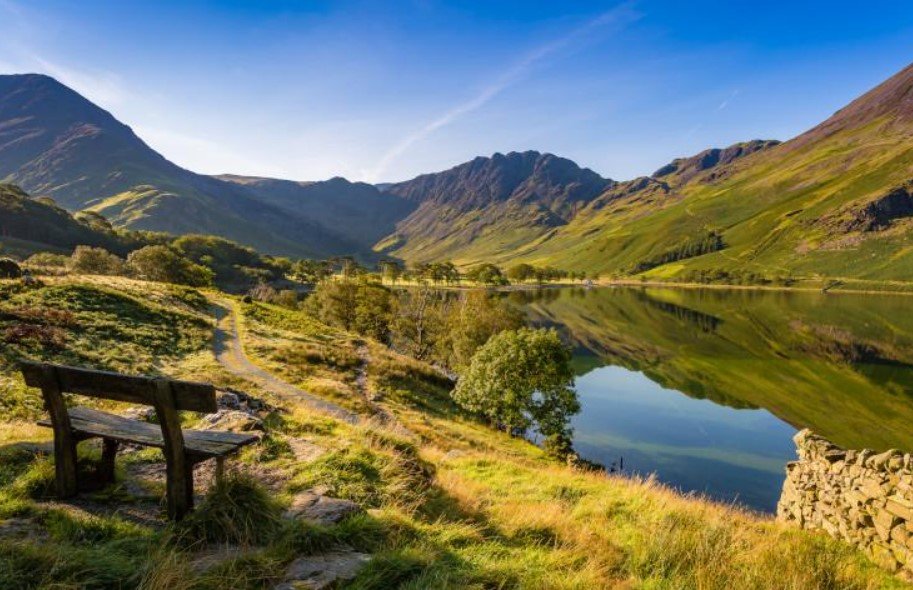
Eden Valley is a scenic river valley in northern England, best known for its rolling countryside, historic market towns, sandstone villages and the River Eden. Located mainly in Cumbria, the valley offers a quieter side of the North West, lying between the Lake District and the Pennines.
Unlike the dramatic mountain landscapes of nearby national parks, Eden Valley is shaped by farmland, gentle hills, riverbanks and small settlements with long histories. It is an appealing destination for walking, cycling, heritage visits and exploring rural England.
Eden Valley Quick Facts
| Fact | Details |
|---|---|
| Location | Northern England |
| Country | United Kingdom |
| Main Region | Cumbria |
| Main River | River Eden |
| Landscape | River valley, farmland and rolling hills |
| Famous For | Historic towns, sandstone villages and rural scenery |
| Climate | Temperate maritime |
| Best Months | May to September |
| Nearby Towns | Appleby-in-Westmorland, Penrith and Kirkby Stephen |
Where Is Eden Valley?
Eden Valley is located primarily in Cumbria in north-western England. It follows the River Eden and its surrounding countryside, stretching broadly from the upper Eden area near Mallerstang and Kirkby Stephen northward toward Carlisle and the Solway Firth.
The valley sits between several important landscapes. The Pennines and Yorkshire Dales lie to the east and south-east, while the Lake District lies to the west. Penrith is one of the main gateways to the southern and central parts of the valley, while Appleby-in-Westmorland and Kirkby Stephen are important historic towns within the wider Eden area.
Geography and Landscape
The River Eden is the defining geographical feature of Eden Valley. From its upland sources, the river flows north through a landscape of agricultural land, wooded stretches, small villages and market towns before eventually reaching the Solway Firth.
The valley is surrounded by higher ground rather than being enclosed by steep mountain walls. The eastern side is influenced by the Pennines, while the western side gradually connects with the landscapes around the Lake District. This position gives the area a varied character, with open countryside, limestone scenery in some areas and distinctive red sandstone formations.
The geology of the region has also influenced its settlements. Red sandstone has been widely used in local buildings, giving many villages and historic structures a recognizable warm colour. The River Eden and its tributaries have shaped the valley floor over long periods, creating fertile land that has supported farming for centuries.
History of Eden Valley
Eden Valley has a long history of settlement. The wider region contains evidence of prehistoric activity, while the Roman occupation had a major influence on northern England. Carlisle, near the lower part of the River Eden, developed as an important Roman settlement and later became a significant border city.
During the medieval period, the valley’s position between England and Scotland made parts of the region strategically important. Castles, fortified buildings and historic churches reflect centuries of political conflict and changing control in northern Britain.
Agriculture became central to the valley’s economy, supported by fertile river land and surrounding pasture. Market towns such as Appleby-in-Westmorland and Kirkby Stephen developed as important centres for trade and local services.
The arrival of improved roads and railways later connected the area more closely with other parts of England. Today, tourism is an important part of the local economy, although farming remains a defining feature of the countryside.
How Was Eden Valley Formed?
Eden Valley developed through a long combination of geological and erosional processes. The region’s underlying rocks were formed during different geological periods, while tectonic movements and later erosion helped shape the broader landscape.
The River Eden and its tributaries played a major role in carving and modifying the valley. Over thousands of years, flowing water removed and transported sediment, gradually shaping river channels and the surrounding valley floor.
Glacial activity during the Ice Age also influenced the wider landscape of Cumbria and northern England. As glaciers advanced and retreated, they altered drainage patterns and left deposits that contributed to the area’s present-day landforms.
Eden Valley Weather Throughout the Year
Eden Valley has a temperate maritime climate. Conditions can change quickly, and rainfall is possible throughout the year. The valley is generally drier than some western parts of the Lake District because of its position east of the highest Cumbrian mountains.
January to March
Winter is usually cool, with short daylight hours and regular rainfall. Frost is common during colder spells, especially in inland and higher areas. Snow can occur, although the amount varies significantly between the valley floor and surrounding uplands.
By March, temperatures gradually begin to rise and the countryside starts showing early signs of spring.
April to June
Spring brings longer days and increasingly mild temperatures. April and May can provide pleasant conditions for walking and exploring villages, although showers remain possible.
June is often one of the more comfortable months for outdoor activities, with warmer days and extended daylight. The landscape is particularly green during this period.
July to September
Summer is generally the warmest time of year. Daytime temperatures are usually mild to warm rather than consistently hot, making the valley suitable for walking, cycling and sightseeing.
Rainfall can still interrupt outdoor plans, and weather conditions may vary across the region. September often brings cooler evenings and early signs of autumn colour.
October to December
Autumn brings changing foliage and cooler temperatures. October can still offer pleasant walking conditions, while November and December become colder and wetter.
Winter weather gradually returns by December, with frost and occasional snow more likely in elevated areas around the valley.
Best Weather for Visiting Eden Valley
May through September generally offers the most comfortable weather for visiting Eden Valley. Late spring and early summer provide long daylight hours and green countryside, while September can be attractive for quieter travel and early autumn scenery.
Things to Do in Eden Valley
Walk Along the Countryside and River Routes
The valley offers numerous opportunities for rural walks, from riverside paths to longer routes through farmland and surrounding hills.
Explore Historic Market Towns
Appleby-in-Westmorland and Kirkby Stephen provide opportunities to explore traditional streets, independent businesses and historic buildings.
Go Cycling
Quiet country roads make the area suitable for recreational cycling. Some routes also connect with more challenging terrain in the surrounding Pennines.
Visit Historic Castles and Churches
The wider valley contains historic buildings that reflect its medieval and borderland past.
Enjoy Riverside Nature
The River Eden and its tributaries provide attractive settings for walking, birdwatching and photography.
Explore Local Villages
Small settlements throughout the valley offer a more traditional rural experience than the busier tourist centres of nearby national parks.
Famous Attractions in and Around Eden Valley
Appleby Castle
Appleby Castle is a historic castle in Appleby-in-Westmorland with origins dating back to the Norman period. It is one of the area’s best-known historic landmarks.
Appleby-in-Westmorland
This historic market town is known for its broad main street, traditional buildings and location beside the River Eden.
Kirkby Stephen
Kirkby Stephen is an attractive market town near the upper Eden area. It is a useful base for exploring the countryside and nearby walking routes.
Brough Castle
The ruins of Brough Castle stand near the village of Brough and reflect the strategic importance of this part of northern England.
Lacy’s Caves
Located beside the River Eden near Little Salkeld, Lacy’s Caves are a series of sandstone chambers carved into the riverbank.
Long Meg and Her Daughters
This prehistoric stone circle near Penrith is one of the best-known ancient monuments in the wider Eden area and provides a link to the region’s distant past.
Acorn Bank
Near Temple Sowerby, Acorn Bank is known for its historic house, gardens and woodland setting.
Wildlife and Nature
Eden Valley supports a mixture of farmland, woodland, riverside habitats and upland landscapes. The River Eden is an important natural feature, supporting fish, birds and other wildlife associated with freshwater environments.
Woodlands and hedgerows provide habitats for mammals and bird species, while open countryside supports a wide range of plant life. The changing landscape between river valley and surrounding hills contributes to the area’s ecological variety.
Conservation is important throughout the wider River Eden catchment, particularly in relation to water quality, river habitats and native species. Visitors can experience the natural environment through responsible walking, wildlife observation and use of established countryside routes.
How to Reach Eden Valley
The most convenient access depends on which part of Eden Valley you plan to visit. Penrith is a major transport gateway and is well connected by road and rail, including services on the West Coast Main Line.
The M6 motorway provides access to the western side of the wider region, while the A66 crosses northern England and connects the Eden area with routes toward the east and west.
Appleby and Kirkby Stephen are served by stations on the scenic Settle–Carlisle railway line, providing a useful option for visitors travelling without a car.
The nearest major airports include Newcastle International Airport and Manchester Airport, although onward travel by train or car is required.
Where to Stay Near Eden Valley
Penrith offers one of the widest selections of hotels, guesthouses and other visitor accommodation near the southern part of Eden Valley.
Appleby-in-Westmorland and Kirkby Stephen are good choices for visitors who prefer to stay within the valley’s historic market-town environment. Smaller villages also provide country inns, bed and breakfasts, holiday cottages and rural accommodation.
Camping and caravan options are available in the wider Cumbria countryside, although facilities vary by location. Booking in advance is advisable during popular summer periods and local events.
Why Is Eden Valley Famous?
Eden Valley is famous for its peaceful English countryside, the River Eden, historic market towns and distinctive sandstone villages. Its location between the Lake District and the Pennines also makes it an attractive base for visitors who want to explore northern England while staying in a quieter rural landscape.
Eden Valley FAQs
Where is Eden Valley located?
Eden Valley is primarily located in Cumbria in northern England, following the River Eden through countryside between the Pennines and the Lake District.
What is Eden Valley famous for?
It is known for the River Eden, rural scenery, historic market towns, sandstone buildings and access to northern England’s surrounding landscapes.
What is the weather like in Eden Valley?
The valley has a temperate maritime climate with mild summers, cool winters and rainfall possible throughout the year.
What are the best months to visit Eden Valley?
May to September generally offers the most comfortable conditions for walking, cycling and exploring the countryside.
What can you do in Eden Valley?
Visitors can walk, cycle, explore historic towns and villages, visit castles and prehistoric sites, and enjoy riverside nature.
How do you reach Eden Valley?
Penrith provides major road and rail access, while Appleby and Kirkby Stephen are served by the Settle–Carlisle railway.
Does Eden Valley get snow?
Snow can occur during winter, especially on surrounding higher ground. Snowfall on the valley floor is generally less predictable.
Is Eden Valley near the Lake District?
Yes. The valley lies east of the Lake District and provides a quieter countryside alternative within the wider Cumbria region.
Final Thoughts
Eden Valley offers a different perspective on northern England, combining river scenery, historic settlements and peaceful countryside. It is particularly suited to visitors interested in walking, local history and exploring Cumbria beyond the busiest Lake District destinations.
For More Visit Stay And Update
