
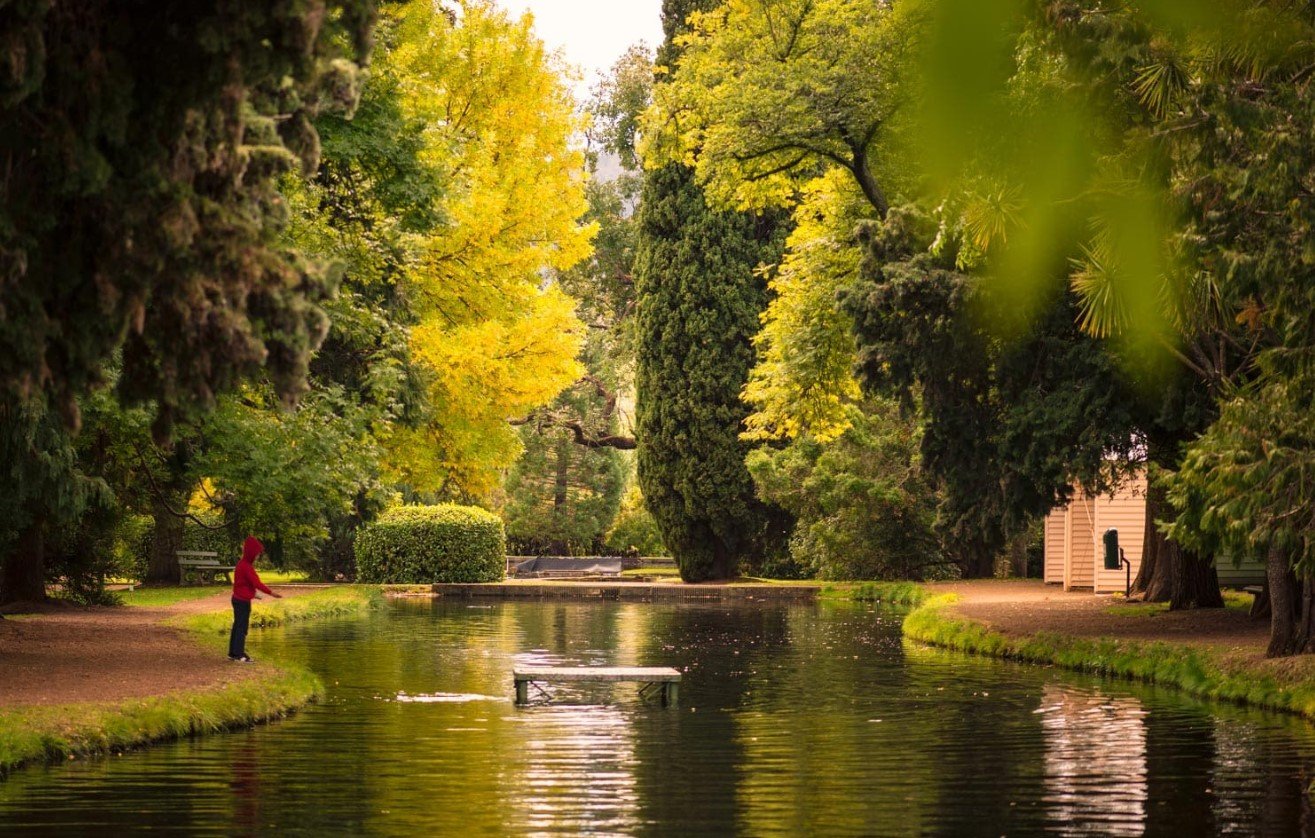
Derwent Valley is a scenic valley in Derbyshire, England, shaped by the River Derwent and surrounded by the distinctive landscapes of the Peak District. The valley combines wooded hills, open countryside, reservoirs, historic villages, and important industrial heritage, making it notable for both its natural character and its role in Britain’s industrial development.
The valley stretches through a landscape where nature and history are closely connected. The Derwent Valley Mills World Heritage Site preserves historic textile mills and settlements associated with the development of the modern factory system, while nearby reservoirs, walking routes, and countryside provide opportunities to explore the valley’s outdoor side.
Derwent Valley Quick Facts
| Fact | Details |
|---|---|
| Location | Derbyshire, England |
| Country | United Kingdom |
| Region | East Midlands / Peak District area |
| Main River | River Derwent |
| Famous For | Industrial heritage, historic mills, villages and Peak District scenery |
| Climate | Temperate maritime |
| Landscape | River valley, wooded hills, reservoirs and countryside |
| Best Months | May to September |
| Nearby Towns | Matlock, Belper, Bakewell and Derby |
Where Is Derwent Valley?
Derwent Valley is located in Derbyshire in central England. The valley follows the course of the River Derwent from the higher Peak District countryside toward the lower Derbyshire landscape and the city of Derby.
Important settlements associated with the valley include Matlock, Matlock Bath, Cromford, Belper and Milford. Its position between the Peak District and Derby makes it accessible from several parts of central England.
Geography and Landscape
The River Derwent is the defining geographical feature of the valley. It rises in the Dark Peak area of the Peak District and flows south through a landscape of hills, wooded slopes, farmland and settlements before eventually joining the River Trent.
The upper part of the valley contains more rugged Peak District scenery, while lower sections become more settled and industrial in character. Several reservoirs, including Ladybower, Derwent and Howden reservoirs in the upper Derwent area, form important features of the wider valley landscape.
The valley’s physical character changes significantly along its length, from upland moors and reservoirs in the north to historic mill towns and greener lowland countryside farther south.
History of Derwent Valley
The history of Derwent Valley is closely connected with the development of the textile industry. During the eighteenth century, Richard Arkwright and other industrial pioneers developed water-powered cotton-spinning technology in the valley. The mills at Cromford became an important part of this transformation.
The growth of water-powered factories led to the development of planned settlements and communities around the mills. Cromford, Belper, Milford and other settlements became closely connected with textile production, housing workers and supporting the expanding industrial economy.
The Derwent Valley Mills were later recognized for their international historical importance. In 2001, the Derwent Valley Mills became a UNESCO World Heritage Site, recognizing the valley’s contribution to the development of the factory system and industrial society.
The valley also has a strong connection with the history of water management. The construction of reservoirs in the upper Derwent Valley during the nineteenth and twentieth centuries changed parts of the landscape while providing water supplies for nearby urban areas.
How Was Derwent Valley Formed?
The valley was shaped by the River Derwent and the geological processes that created the surrounding Peak District landscape. Over long periods, river erosion helped carve a route through the underlying rocks, while weathering and erosion shaped the surrounding hills and slopes.
In the upper valley, glacial and periglacial processes during the Ice Age also influenced the upland landscape. Later human activity, including reservoirs, roads, settlements and industrial development, further modified parts of the valley.
Derwent Valley Weather Throughout the Year
Derwent Valley has a temperate maritime climate, with relatively mild temperatures, rainfall throughout the year, and cooler conditions at higher elevations. Weather can change quickly in the Peak District portion of the valley.
January to March
Winter is generally cool and wet, with daytime temperatures often around 4–9°C. Frost is common, and snow can occur, particularly in higher areas. Early spring gradually brings longer days but can remain unsettled.
April to June
Spring becomes milder, with temperatures commonly reaching around 10–19°C during the day. Rain showers remain possible, while May and June usually bring increasingly pleasant conditions for walking and sightseeing.
July to September
Summer is generally the warmest period, with daytime temperatures often around 18–22°C. Rain remains possible because of the valley’s maritime climate, but longer daylight hours make this a popular period for outdoor activities.
October to December
Autumn brings cooler temperatures, increased rainfall, and shorter days. October can still be mild, while November and December become progressively colder. Frost and occasional snow are possible, especially around higher parts of the valley.
Best Weather for Visiting Derwent Valley
May through September generally offers the most comfortable conditions for exploring the valley, with longer daylight hours and milder temperatures. Spring and early autumn can also be particularly appealing for walking because of seasonal changes in vegetation and generally cooler conditions.
Things to Do in Derwent Valley
Walking and Hiking
The valley has numerous footpaths through riverside countryside, woodland, reservoirs and Peak District hills. Routes range from gentle walks around historic settlements to more demanding upland hikes.
Explore Industrial Heritage
Visitors can explore the valley’s historic mills, workers’ communities and industrial sites to understand how water-powered textile production changed Britain.
Cycling
Quiet country roads and dedicated routes in parts of the valley provide opportunities for cycling, particularly around lower settlements and reservoir areas.
Reservoir Walks
The upper Derwent Valley offers scenic walks beside Howden, Derwent and Ladybower reservoirs, surrounded by hills and open countryside.
Photography
The combination of historic architecture, river scenery, woodland, reservoirs and Peak District landscapes creates varied opportunities for landscape and heritage photography.
Village Exploring
Historic communities such as Cromford, Belper and Matlock Bath provide opportunities to explore traditional architecture, local shops, cafés and cultural attractions.
Famous Attractions in and Around Derwent Valley
Cromford Mill
Cromford Mill is one of the most important industrial heritage sites in the valley. Developed by Richard Arkwright, it played a major role in the early development of the modern factory system.
Derwent Valley Mills World Heritage Site
The World Heritage Site includes a collection of historic mills, settlements and associated landscapes stretching along the River Derwent. It illustrates the development of water-powered textile manufacturing during the Industrial Revolution.
Cromford Canal
The Cromford Canal was built to transport goods and materials between the industrial communities of the valley and wider canal networks. Today, sections provide attractive walking and heritage routes.
Belper
Belper developed as an important textile manufacturing town and contains historic buildings associated with the Strutt family’s industrial enterprises.
Matlock Bath
Matlock Bath is a historic spa settlement situated within a dramatic section of the Derwent Valley. Its riverside setting and surrounding hills have made it a long-standing visitor destination.
Ladybower Reservoir
Ladybower Reservoir lies in the upper Derwent Valley and is surrounded by the hills of the Peak District. Its landscape is particularly popular for walking, cycling and photography.
Howden and Derwent Reservoirs
These reservoirs form part of the upper valley’s distinctive landscape. Their surrounding hills and water create some of the most recognizable scenery in the northern Derwent Valley.
Wildlife and Nature
Derwent Valley contains a mixture of river habitats, woodland, grassland, farmland, reservoirs and upland environments. The changing landscape supports a broad range of wildlife, including deer, foxes, badgers, rabbits and numerous bird species.
The upper valley provides habitats associated with Peak District moorland and reservoirs, while lower areas contain woodland, meadows and riverside ecosystems. The River Derwent and its tributaries are important freshwater habitats, and conservation work across the valley focuses on maintaining biodiversity, water quality and historic landscapes.
How to Reach Derwent Valley
Derwent Valley is accessible by road and public transportation from several parts of central England. The A6 provides an important route through the lower and central sections around Matlock and Bakewell, while roads from Derby connect the southern part of the valley with the city.
Matlock and Belper have railway stations with services connecting them to Derby and other destinations. Local bus services also connect many of the valley’s towns and villages.
The upper Derwent Valley is more rural, and access to reservoir areas is primarily by road, bicycle or on foot. Some narrow rural roads can become challenging during poor winter weather.
Where to Stay Near Derwent Valley
Accommodation is available throughout the valley and surrounding Peak District communities. Matlock and Matlock Bath offer hotels, guesthouses, bed-and-breakfast accommodation and holiday properties, while Belper provides additional town-based options.
Visitors seeking a rural experience can choose cottages, farm stays, campsites and holiday parks in the surrounding countryside. Cromford and nearby Peak District villages are also convenient bases for exploring the valley’s industrial heritage and walking routes.
Why Is Derwent Valley Famous?
Derwent Valley is famous for combining important Industrial Revolution history with the natural scenery of the Peak District. Its historic mills and settlements demonstrate the development of water-powered textile manufacturing, while the River Derwent, reservoirs, wooded hills and countryside give the valley a distinctive landscape.
Derwent Valley FAQs
Where is Derwent Valley located?
Derwent Valley is in Derbyshire, England, following the River Derwent through the Peak District and toward Derby.
What is Derwent Valley famous for?
It is particularly famous for the Derwent Valley Mills World Heritage Site, historic textile mills, industrial settlements, reservoirs and Peak District scenery.
What is the weather like in Derwent Valley?
The valley has a temperate maritime climate with mild summers, cool winters and rainfall throughout the year. Higher areas can be colder and wetter.
What are the best months to visit Derwent Valley?
May to September generally offers the mildest weather and longest daylight hours, although spring and autumn can also be excellent for walking and sightseeing.
What can you do in Derwent Valley?
Popular activities include hiking, cycling, photography, reservoir walks, village visits and exploring the valley’s industrial heritage.
How do you reach Derwent Valley?
The valley is accessible by road, rail and bus. Matlock and Belper are particularly useful transport points, with railway connections to Derby and other parts of the region.
Does Derwent Valley get snow?
Snow is possible during winter, especially in the higher Peak District sections of the valley, although conditions vary considerably from year to year.
What are the main attractions in Derwent Valley?
Important attractions include Cromford Mill, the Derwent Valley Mills World Heritage Site, Cromford Canal, Belper, Matlock Bath, Ladybower Reservoir, Howden Reservoir and Derwent Reservoir.
Final Thoughts
Derwent Valley offers a distinctive combination of river landscapes, Peak District countryside and nationally important industrial heritage. Its historic mills, reservoirs, villages and walking routes make it a rewarding destination for travelers interested in both England’s natural scenery and the history of the Industrial Revolution.
For More Visit Stay And Update
