
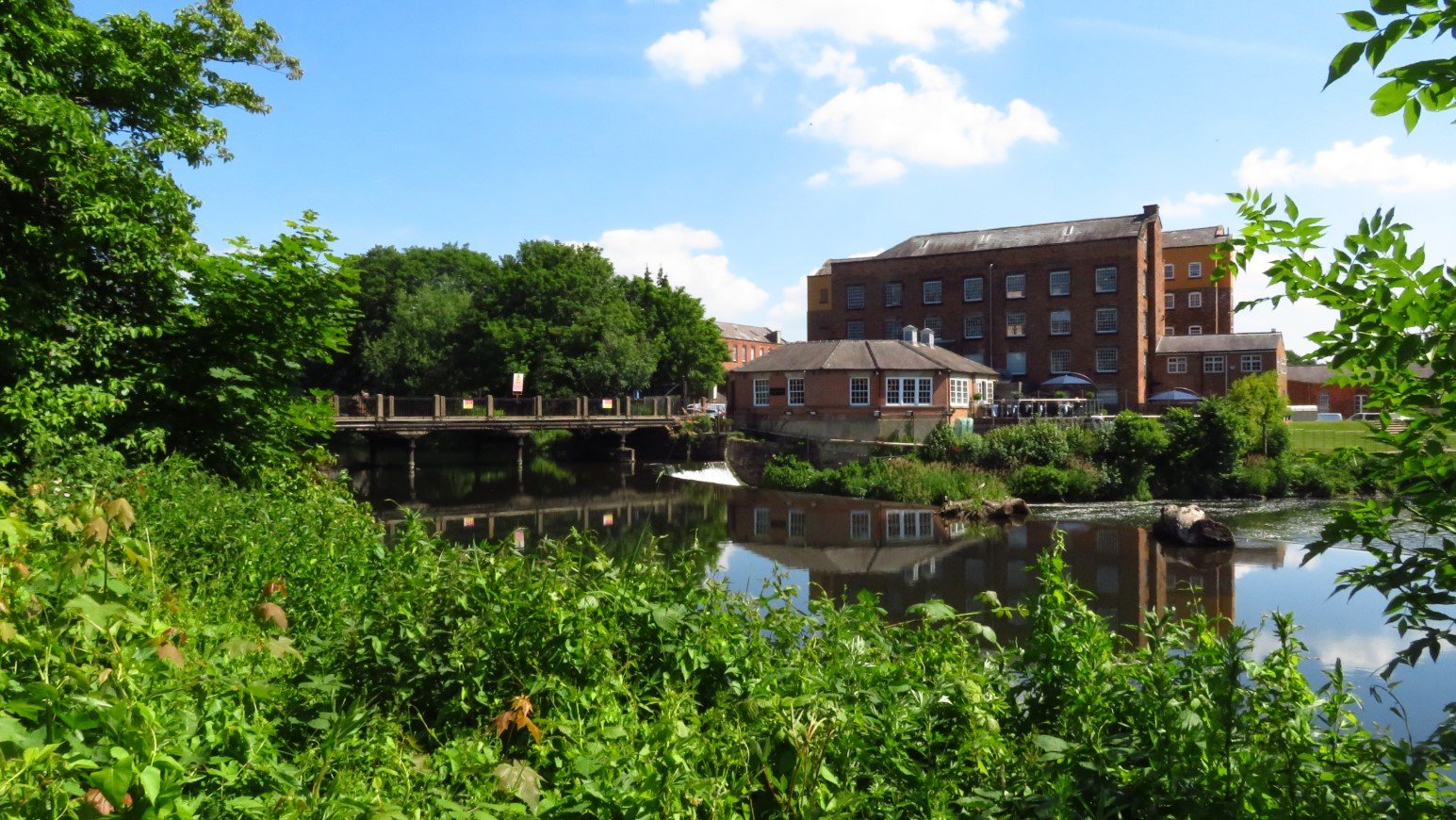
Derwent Valley in England is a historic river valley best known for its important role in the Industrial Revolution. Following the River Derwent through parts of Derbyshire, the valley combines attractive countryside, wooded slopes, riverside settlements, historic mills, and industrial heritage.
The best-known section is the Derwent Valley Mills World Heritage Site, where water-powered textile production helped establish the modern factory system. Today, the valley attracts visitors interested in history, walking, cycling, heritage attractions, and the landscapes of the Derbyshire countryside.
Derwent Valley Quick Facts
| Fact | Details |
|---|---|
| Location | Derbyshire, central England |
| Country | England, United Kingdom |
| Region | East Midlands |
| Main River | River Derwent |
| Famous For | Industrial Revolution and historic mills |
| Climate | Temperate maritime |
| Best Months | April to October |
| Major Historic Area | Derwent Valley Mills World Heritage Site |
| Nearby Cities/Towns | Derby, Matlock, Belper and Cromford |
Where Is Derwent Valley?
Derwent Valley is located in Derbyshire in central England. The River Derwent flows through the valley from the Peak District area southward toward Derby and eventually joins the River Trent.
The most historically significant industrial section stretches from around Matlock Bath in the north through Cromford, Belper, Milford, and Darley Abbey toward Derby. This part of the valley forms the core of the Derwent Valley Mills World Heritage Site.
Geography and Landscape
The Derbyshire Derwent Valley is shaped by the River Derwent and the surrounding hills of the southern Pennines and Peak District. Its landscape changes from narrower, more rugged sections around Matlock and Cromford to broader river corridors farther south.
Woodland, farmland, riverside meadows, limestone and gritstone landscapes, and historic settlements all contribute to the valley’s character. The River Derwent remains the valley’s defining natural feature and historically provided the water power that supported early industrial development.
The area also includes canals, mill ponds, weirs, and other water-management features created to support industry. These historic structures remain an important part of the valley’s cultural landscape.
History of Derwent Valley
The Derwent Valley has a long history, but its greatest international significance comes from the eighteenth and nineteenth centuries. Early industry developed beside the river because its flowing water could power machinery.
In Derby, the Silk Mill was established in 1721 and represented an important early example of large-scale mechanised production. A more significant transformation followed at Cromford, where Richard Arkwright built a water-powered cotton-spinning mill in 1771.
Arkwright’s approach combined new machinery, water power, organised labour, purpose-built factories, and planned housing for workers. The system developed in the valley became an important model for industrial production elsewhere.
Industrial settlements including Cromford, Belper, Milford, and Darley Abbey expanded around their mills. Workers’ housing and supporting facilities became part of a new type of industrial community.
The Derwent Valley Mills were recognised as a UNESCO World Heritage Site in 2001 because of their global importance in the development of the factory system.
How Was Derwent Valley Formed?
Derwent Valley developed over a very long period through the interaction of geological processes and river erosion. The River Derwent and its tributaries gradually cut through the varied rocks of Derbyshire, creating valleys and shaping the surrounding slopes.
The landscape also reflects the region’s complex geological history. Different rock types have influenced the form of the hills and valley sides, while erosion and weathering continue to modify the landscape.
Unlike a classic glacial valley such as Yosemite Valley, the Derbyshire Derwent Valley is primarily a river-shaped landscape, although glacial processes affected parts of the wider Peak District during colder periods of Earth’s history.
Derwent Valley Weather Throughout the Year
Derwent Valley has a temperate maritime climate, with generally mild summers, cool winters, and rainfall possible throughout the year. Weather can vary between the lower valley and higher ground in the surrounding Peak District.
January to March
Winter is generally cool and damp. Frost is common, and higher surrounding areas can experience snow and icy conditions. March usually brings gradually increasing daylight and slightly milder temperatures.
April to June
Spring brings greener landscapes, longer days, and increasingly pleasant conditions for walking and cycling. Rain showers remain possible, particularly in April and May.
July to September
Summer is usually the warmest period. Daytime conditions are often suitable for outdoor activities, although rain can occur at any time. July and August are generally the busiest months for tourism.
October to December
Autumn brings colourful woodland scenery and cooler temperatures. Rainfall can increase, while November and December may bring frost and occasional snow on higher ground.
Best Weather for Visiting Derwent Valley
Late spring through early autumn generally offers the most comfortable conditions for exploring the valley. May, June, and September can be particularly appealing because of longer daylight hours and pleasant conditions for outdoor activities.
Things to Do in Derwent Valley
- Walk beside the River Derwent: Riverside paths provide opportunities to explore the valley’s countryside and historic settlements.
- Explore industrial heritage: Visit former mill communities and learn how the factory system developed.
- Cycle through Derbyshire: The surrounding area offers cycling routes connecting towns, villages, and countryside.
- Visit historic Cromford: Explore one of the most important early industrial settlements in Britain.
- Enjoy photography: Mills, stone buildings, river scenery, and wooded hills provide varied subjects.
- Explore Matlock and Matlock Bath: These nearby destinations combine riverside scenery, heritage, and visitor attractions.
- Discover local museums: Several heritage sites interpret the region’s industrial and social history.
Famous Attractions in and Around Derwent Valley
Cromford Mills
Cromford Mills is one of the valley’s most important industrial landmarks. Richard Arkwright’s water-powered cotton mills helped establish the factory system on an industrial scale.
Masson Mills
Located near Matlock Bath, Masson Mills is a major historic textile mill built during the Industrial Revolution and remains an important part of the valley’s industrial heritage.
Belper Mills
Belper developed into a major industrial settlement with extensive mill buildings and workers’ housing. The town remains a key part of the World Heritage Site.
Darley Abbey
Darley Abbey contains a historic mill complex and a planned industrial settlement developed around textile production.
Matlock Bath
Matlock Bath is a popular riverside destination known for its dramatic setting within the Derwent Valley and its long history as a visitor resort.
Derby Museum of Making
Located in Derby’s historic Silk Mill site, the Museum of Making explores the city’s long history of manufacturing and innovation.
Peak District
The wider Peak District provides access to walking routes, countryside, villages, and dramatic upland scenery close to the upper reaches of the valley.
Wildlife and Nature
The Derwent Valley supports a mixture of river, woodland, grassland, and agricultural habitats. The River Derwent and its tributaries provide important freshwater environments, while wooded slopes and countryside support a variety of birds and mammals.
The valley’s natural landscape is closely connected to its heritage. Conservation efforts aim to protect both the historic industrial features and the rural setting that gives the World Heritage Site much of its distinctive character.
How to Reach Derwent Valley
Derwent Valley is easily accessible from several major cities in England. Derby is an important southern gateway and has regular rail connections with London, Birmingham, Sheffield, and other destinations.
From Derby, local rail and road connections provide access to towns farther north, including Belper and Matlock. The A6 follows parts of the valley and is one of the main road routes through the area.
East Midlands Airport is one of the nearest airports for international and domestic travellers. Visitors should check local transport schedules and road conditions, particularly during winter weather.
Where to Stay Near Derwent Valley
Derby offers the widest range of hotels and is convenient for visitors exploring the southern section of the valley. Belper and Matlock provide additional hotels, guesthouses, and smaller accommodation options.
For a more rural experience, visitors can find cottages, bed-and-breakfast properties, and countryside accommodation around Cromford, Matlock Bath, and nearby Peak District communities.
Camping and holiday accommodation are also available in the wider Derbyshire area. Staying in different towns can be useful depending on whether your main interest is industrial heritage, walking, or countryside exploration.
Why Is Derwent Valley Famous?
Derwent Valley is famous because it played a major role in the development of the modern factory system. Water-powered textile mills, planned industrial settlements, workers’ housing, and innovative manufacturing methods developed here during the Industrial Revolution. Its surviving industrial landscape earned international recognition as the Derwent Valley Mills World Heritage Site.
Derwent Valley FAQs
Where is Derwent Valley located?
Derwent Valley is in Derbyshire, central England. Its historically important industrial section follows the River Derwent between the Matlock area and Derby.
What is Derwent Valley famous for?
It is internationally known for the Derwent Valley Mills and its role in the development of the modern factory system during the Industrial Revolution.
What is the weather like in Derwent Valley?
The valley has a temperate maritime climate with mild to warm summers, cool winters, and rainfall throughout the year.
What are the best months to visit Derwent Valley?
May through September generally offers favourable conditions for walking, cycling, and exploring historic attractions.
What can you do in Derwent Valley?
Visitors can explore historic mills, walk beside the River Derwent, visit industrial heritage sites, cycle through the countryside, and explore nearby Peak District attractions.
How do you reach Derwent Valley?
Derby is a major transport gateway, with rail connections to several British cities. Roads and local transport connect Derby with Belper, Matlock, Cromford, and other valley communities.
Does Derwent Valley get snow?
Snow is possible during winter, especially on higher ground around the surrounding Peak District. Snowfall is generally less frequent on lower sections of the valley.
Is Derwent Valley a UNESCO World Heritage Site?
The Derwent Valley Mills World Heritage Site was inscribed by UNESCO in 2001. The designation recognises the valley’s exceptional importance in the development of industrial factory production.
Final Thoughts
Derwent Valley offers an unusual combination of natural countryside and globally important industrial heritage. For visitors interested in the Industrial Revolution, historic architecture, riverside walks, and Derbyshire landscapes, the valley provides a distinctive and rewarding place to explore.
For More Visit Stay And Update
