
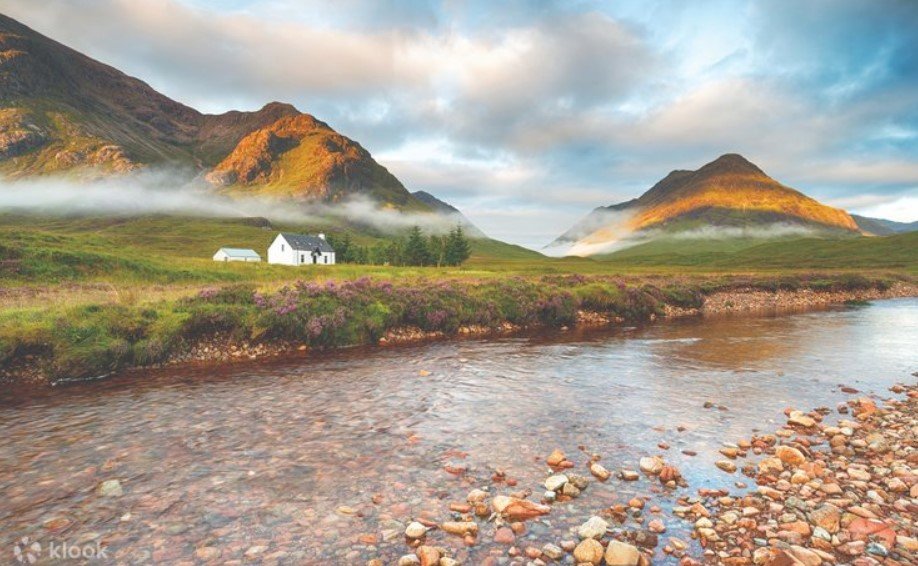
Glen Coe is one of Scotland’s most dramatic and historically significant valleys. Located in the Scottish Highlands, it is known for its steep mountains, rugged slopes, winding roads, waterfalls, and powerful sense of wilderness. Often written as Glencoe, the valley attracts hikers, photographers, road trippers, and visitors interested in Highland history.
The landscape is only part of its appeal. Glen Coe is also closely associated with the 1692 Massacre of Glencoe, making it a place of major cultural and historical importance. Today, much of the area is valued for outdoor recreation and the protection of its distinctive Highland environment.
Glen Coe Quick Facts
| Fact | Details |
|---|---|
| Location | Scottish Highlands |
| Country | Scotland, United Kingdom |
| Region | Highland |
| Main Settlement | Glencoe Village |
| Valley Type | Mountain glen |
| Famous For | Dramatic mountains, hiking and Highland history |
| Climate | Temperate oceanic mountain climate |
| Best Months | May to September |
| Nearby Town | Fort William |
| Main Road | A82 |
Where Is Glen Coe?
Glen Coe is located in the western Scottish Highlands, within the Highland council area of Scotland. The valley lies between the settlements of Bridge of Orchy and Ballachulish, with Glencoe Village situated near its western end.
Fort William is the nearest major Highland town and lies to the northwest. The valley is crossed by the A82, one of Scotland’s best-known scenic roads, making Glen Coe relatively accessible by car from Glasgow, Edinburgh, and other parts of the Highlands.
Geography and Landscape
Glen Coe is a deep mountain valley surrounded by some of the most impressive peaks in Scotland. Its steep-sided landscape includes rugged ridges, rocky slopes, open moorland, streams, and waterfalls.
The valley is particularly associated with the Three Sisters of Glencoe, a series of prominent mountain ridges that dominate the northern side of the glen. Other important surrounding mountains include Buachaille Etive Mòr, one of Scotland’s most photographed peaks.
The River Coe flows through the glen toward Loch Leven near Ballachulish. The wider landscape reflects a combination of ancient volcanic activity and later glacial erosion, producing the sharp mountain forms and broad valley visible today.
History of Glen Coe
Glen Coe has been inhabited and used by Highland communities for centuries. The area was historically associated with Clan MacDonald of Glencoe, whose members lived and farmed in the glen and surrounding areas.
The valley became internationally known because of the Massacre of Glencoe in 1692. Government soldiers were sent to the area after the MacDonalds failed to meet a deadline connected with an oath of allegiance to William III. After being accepted as guests, soldiers killed members of the MacDonald community, while others died after escaping into severe winter conditions.
The event became one of the most infamous episodes in Scottish history and contributed to Glen Coe’s lasting cultural importance. In later centuries, improved roads and the growth of tourism made the valley increasingly accessible, and it eventually became one of the Highlands’ most popular destinations.
How Was Glen Coe Formed?
Glen Coe was shaped by several major geological processes. The surrounding mountains developed from ancient volcanic activity that occurred hundreds of millions of years ago, leaving behind complex rock formations across the region.
Later Ice Age glaciers played a major role in shaping the modern valley. Moving ice widened and deepened the landscape, helping create Glen Coe’s broad floor and steep mountain sides. Erosion by water, frost, and weathering continues to alter the slopes today.
Glen Coe Weather Throughout the Year
Glen Coe has a changeable Highland climate. Rain can occur at any time of year, and weather conditions often vary significantly between the valley floor and higher mountain areas.
January to March
Winter is cold, wet, and often windy. Snow and ice can affect the surrounding mountains, while the valley floor may experience rain, frost, or occasional snowfall. Short daylight hours and rapidly changing conditions require careful planning for outdoor activities.
April to June
Spring brings longer days and gradually milder temperatures. April can still feel cold, especially at higher elevations, while May and June often provide some of the most pleasant conditions for walking and sightseeing. Rain remains possible.
July to September
Summer is generally the warmest period, with long daylight hours and the best opportunities for hiking. Conditions can still change quickly, and rainfall is common. Midges may also be noticeable during warmer and calmer periods, particularly in summer.
October to December
Autumn brings cooler temperatures and changing colours across the Highland landscape. October can still offer good walking conditions, but daylight becomes shorter and weather becomes increasingly unsettled. Snow becomes more likely on higher ground as winter approaches.
Best Weather for Visiting Glen Coe
May through September generally offers the most comfortable conditions for sightseeing and hiking, with longer daylight hours and milder temperatures. Spring and early autumn can also be rewarding for visitors who prefer quieter conditions and fewer summer crowds.
Things to Do in Glen Coe
Hiking and Hillwalking
Glen Coe offers routes for different experience levels, from short valley walks to demanding mountain ascents. Higher routes require appropriate equipment, navigation skills, and careful attention to weather conditions.
Photograph the Highland Landscape
The valley is a popular destination for landscape photography. Early morning and late afternoon often provide changing light across the mountains and moorland.
Drive the A82
The A82 passes through Glen Coe and offers one of Scotland’s most scenic driving experiences. Visitors can stop at designated viewpoints and explore nearby walking routes.
Explore Glencoe Village
The village provides an opportunity to learn more about the area’s history and serves as a useful base for exploring the surrounding Highlands.
Visit the Glencoe National Nature Reserve
The surrounding reserve offers opportunities to experience the region’s mountains, moorland, wildlife, and walking trails.
Enjoy Wildlife Watching
Visitors may see red deer, mountain birds, and other Highland wildlife. Wildlife is best observed respectfully and from a distance.
Famous Attractions in and Around Glen Coe
The Three Sisters of Glencoe
These three distinctive mountain ridges are among the valley’s most recognizable landmarks. They are especially popular with photographers and hillwalkers.
Buachaille Etive Mòr
Located near the eastern approach to Glen Coe, this pyramid-shaped mountain is one of Scotland’s most famous peaks and a major attraction for photographers.
Glencoe Visitor Centre
The visitor centre provides information about the valley’s natural environment, history, walking opportunities, and the Massacre of Glencoe.
Glencoe National Nature Reserve
This protected landscape covers a large area of mountains, glens, and moorland. It is an important place for conservation and outdoor recreation.
Signal Rock
Signal Rock is a wooded viewpoint associated with local stories and Highland history. It provides a relatively accessible walk near the main valley.
Loch Achtriochtan
This small loch is located near the heart of the glen and provides a peaceful setting surrounded by dramatic mountain scenery.
Glencoe Village
Situated near Loch Leven, the village is closely connected with the area’s history and offers accommodation, services, and access to nearby attractions.
Wildlife and Nature
Glen Coe supports a variety of Highland habitats, including moorland, woodland, rivers, lochs, and mountain environments. The area’s changing elevation and wet climate contribute to its diverse natural character.
Red deer are among the best-known mammals in the Highlands, while the wider region supports species such as mountain hares and numerous birds. Golden eagles and other birds of prey can occur in the Highland landscape, although sightings are never guaranteed.
Conservation is important because the area contains sensitive mountain and moorland habitats. Visitors are encouraged to follow established paths where appropriate and respect wildlife and the natural environment.
How to Reach Glen Coe
The most common way to reach Glen Coe is by car via the A82, which connects the area with Glasgow and Fort William. The journey through the Highlands is scenic but can take longer than expected because of weather, traffic, and road conditions.
Glasgow Airport is one of the most practical major airports for international and domestic visitors. From Glasgow, travelers can continue by car or use a combination of train and bus services.
Fort William is the nearest major rail destination. Bus services connect parts of the Highlands with Glencoe and nearby communities, although schedules should be checked before travel. Winter weather can occasionally affect road conditions.
Where to Stay Near Glen Coe
Glencoe Village is a convenient base for visitors who want to stay close to the valley. Accommodation in and around the area includes hotels, guesthouses, bed-and-breakfast properties, self-catering accommodation, and campsites.
Ballachulish is another useful nearby option, particularly for visitors exploring Loch Leven and the western Highlands. Fort William offers a wider range of accommodation and services and is suitable for travelers combining Glen Coe with visits to Ben Nevis and other Highland attractions.
During the busy summer season, advance booking is advisable.
Why Is Glen Coe Famous?
Glen Coe is famous for its dramatic Highland mountain scenery and its connection to one of Scotland’s most significant historical events, the Massacre of Glencoe. The combination of rugged landscapes, outdoor opportunities, and cultural importance gives the valley a distinctive place in Scotland’s national identity.
Glen Coe FAQs
Where is Glen Coe located?
Glen Coe is in the Scottish Highlands, Scotland, between the areas around Bridge of Orchy and Ballachulish.
What is Glen Coe famous for?
It is famous for dramatic mountain scenery, the Three Sisters, Highland hiking, and the 1692 Massacre of Glencoe.
What is the weather like in Glen Coe?
The weather is changeable throughout the year. Rain is common, summers are generally mild, and winter brings colder conditions with snow possible on higher mountains.
What are the best months to visit Glen Coe?
May through September are generally popular because of longer daylight hours and milder conditions for sightseeing and walking.
What can you do in Glen Coe?
Visitors can hike, photograph the landscape, drive the A82, explore historical sites, visit the nature reserve, and enjoy wildlife watching.
How do you reach Glen Coe?
Most visitors arrive by car using the A82. Bus connections are available from surrounding Highland communities, while Fort William is a major nearby rail destination.
Does Glen Coe get snow?
Snow is common on the surrounding mountains during colder months. Snowfall on the valley floor is less predictable and depends on local winter conditions.
Is Glen Coe suitable for beginners?
Yes, some viewpoints and short walks are suitable for casual visitors. However, mountain hiking can be challenging and requires proper preparation.
Final Thoughts
Glen Coe is a remarkable Highland valley where natural scenery and Scottish history meet. Whether visiting for mountain views, hiking, photography, or cultural interest, the glen offers a distinctive experience that reflects the character of the Scottish Highlands.
For More Visit Stay And Update
