

Lee Clark built his reputation in English football through years of competitive midfield performances and a managerial career that took him across several leagues. Born in Wallsend, he grew up close to Newcastle United and eventually became part of one of the club’s most memorable teams of the 1990s. His playing career also included important spells with Sunderland and Fulham, where he experienced promotion battles and top-flight football. After retiring as a player, Clark moved into coaching and took charge of clubs including Huddersfield Town, Birmingham City, and Blackpool. His managerial journey brought both notable achievements and difficult periods, reflecting the demanding nature of professional football. Here is a closer look at Lee Clark’s background, playing career, coaching experience, major milestones, and latest professional status.
Quick Bio
| Detail | Information |
|---|---|
| Full Name | Lee Robert Clark |
| Known For | Former professional footballer and football manager |
| Profession | Football manager and former midfielder |
| Date of Birth | 27 October 1972 |
| Birthplace | Wallsend, England |
| Nationality | English |
| Playing Position | Midfielder |
| Notable Clubs as a Player | Newcastle United, Sunderland and Fulham |
| England’s Appearances | 11 appearances for England Under-21 |
| Notable Managerial Clubs | Huddersfield Town, Birmingham City, Blackpool, and Kilmarnock |
| Current/Public Status | Left Hartlepool United in September 2026; no subsequent managerial appointment confirmed in the sources consulted |
Who Is Lee Clark?
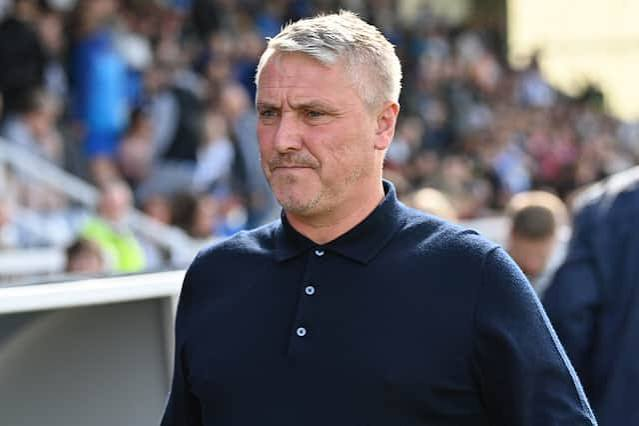
Lee Clark is an English football manager and former professional midfielder who became familiar with supporters through his performances for Newcastle United, Sunderland, and Fulham. His career connects two important sides of the game: the intensity of playing professional football and the responsibility of leading teams from the touchline.
Clark first attracted attention as part of Newcastle United’s emerging side during the 1990s. He played during an exciting period for the club, when Kevin Keegan’s team challenged for major domestic honors and developed a reputation for attacking football.
His move into management came after his playing career ended. Rather than leaving the sport, Clark moved into coaching and gradually took on greater responsibility. His appointments included clubs in England, Scotland and overseas, giving him experience across different football environments.
Although his managerial career has included mixed results, his years as a player remain an important part of his public identity.
Growing Up in Wallsend and Finding Football
Clark was born on 27 October 1972 in Wallsend, a town in North Tyneside, England. The area has a strong connection with Newcastle United, and the club became central to his development as a young footballer.
He joined Newcastle United’s youth system in 1987 and spent his teenage years developing the skills required for senior professional football. His progress through the club’s youth setup eventually led to a first-team opportunity.
Detailed public information about his childhood, schooling, and private family background remains limited. However, his early association with Newcastle provides a clear starting point for understanding his football career.
Breaking Through at Newcastle United
Clark made his senior breakthrough at Newcastle United in 1990. He became part of a squad that experienced significant changes during the early years of the Premier League era.
His midfield work combined energy, commitment, and an ability to contribute in attacking situations. He became a regular presence as Newcastle developed into one of the most exciting teams in English football.
The arrival of Kevin Keegan as manager helped transform the club’s ambitions. Newcastle won the First Division title in the 1992–93 season and earned promotion to the newly established Premier League. Clark played an important role during that successful campaign.
The following years brought even greater attention. Newcastle challenged for the Premier League title in consecutive seasons, finishing as runners-up in 1995–96 and 1996–97. Clark’s involvement in this period connected him with the famous team often remembered as the Entertainers.
The Sunderland Move and a Career-Defining Controversy
In 1997, Clark left Newcastle and joined Sunderland, creating one of the most discussed moves of his playing career. The transfer carried particular significance because of the fierce rivalry between the two clubs.
He quickly became an important player for Sunderland. During the 1997–98 campaign, the team reached the First Division play-off final but lost to Charlton Athletic in a dramatic penalty shootout.
Sunderland responded strongly the following season. The club won the First Division title in 1998–99, securing promotion with a record-breaking points total for the division at that time. Clark contributed to the successful campaign and added another promotion achievement to his playing record.
However, his relationship with Sunderland supporters became complicated after an incident at the 1999 FA Cup final. Clark attended the match as a Newcastle supporter and was photographed wearing a T-shirt containing an anti-Sunderland message. The incident attracted considerable attention and damaged his standing with some Sunderland fans.
It became one of the most memorable off-field stories of his playing career, illustrating the intensity of the Tyne-Wear rivalry.
A New Chapter at Fulham
After leaving Sunderland, Clark joined Fulham in 1999. The London club was building an ambitious team under manager Jean Tigana, with promotion to the Premier League as a major objective.
Clark became part of Fulham’s successful 2000–01 First Division campaign. The team won the title and secured promotion to the top flight, giving him a third First Division title across his spells with Newcastle, Sunderland and Fulham.
His experience and midfield qualities helped Fulham during this period of progress. The club went on to establish itself in the Premier League, although injuries affected parts of Clark’s later playing years.
His time at Craven Cottage added another important chapter to a career that had already included success in different parts of English football.
Returning to Newcastle and Ending His Playing Career
Clark returned to Newcastle United in 2005, bringing his playing career back to the club where it had started. The move gave him an opportunity to finish his senior playing days in familiar surroundings.
His second spell was shorter than his first, but it also marked the beginning of his transition into coaching. He became involved with the club’s backroom staff while still contributing as a player.
Clark retired from professional football in 2006. By then, he had experienced promotion campaigns, Premier League competition, international youth football, and the pressure of playing for rival clubs.
Rather than moving away from the game, he chose to pursue a future in management.
From Player to Coach: The Start of His Managerial Career
After retiring, Clark joined Newcastle’s coaching setup under manager Glenn Roeder. His work included involvement with the first team and reserve side, giving him an introduction to the responsibilities of coaching at a professional club.
He later followed Roeder to Norwich City, where he served as assistant manager. The experience helped him understand the demands of senior management and the daily work involved in preparing a competitive team.
In December 2008, Clark received his first major opportunity as a manager when Huddersfield Town appointed him. The role marked a turning point because he could now shape a team’s playing style, recruitment, and overall direction.
Huddersfield Town: His Most Notable Managerial Spell
Clark’s time at Huddersfield Town became one of the strongest periods of his managerial career. He took charge in 2008 and worked to build a side capable of competing for promotion.
The team developed a reputation for consistency and produced an impressive unbeaten league run. Huddersfield recorded a 43-match unbeaten sequence in league football, a significant achievement that attracted attention across the Football League.
Clark guided the club into the League One play-offs in consecutive seasons. Although Huddersfield did not secure promotion during his tenure, the team’s performances established his reputation as a manager capable of building competitive sides.
He left the club in February 2012. His Huddersfield spell remains a major reference point whenever his managerial record is discussed.
Birmingham City and the Pressure of Championship Football
In June 2012, Birmingham City appointed Clark as their manager. The club had recently experienced financial and sporting challenges, and the new manager faced the difficult task of keeping the team competitive in the Championship.
Clark guided Birmingham to a 12th-place finish in his first season. The following campaign proved more difficult, with the club battling near the relegation places.
Birmingham eventually secured survival on the final day of the 2013–14 season through a dramatic result against Bolton Wanderers. The campaign demonstrated the pressure involved in managing a club with significant expectations and limited room for error.
Results did not improve enough during the following season, and Birmingham dismissed Clark in October 2014. Despite the difficult ending, the appointment represented an important stage in his development as a manager.
Blackpool, Kilmarnock, and Bury
After leaving Birmingham, Clark became manager of Blackpool in October 2014. The club faced serious challenges during a difficult Championship season, and he was unable to reverse its fortunes. Blackpool finished at the bottom of the table, and Clark left at the end of the campaign.
In February 2016, he moved to Scotland to manage Kilmarnock. His time there gave him experience in the Scottish Premiership, but the club eventually parted ways with him in February 2017.
Clark returned to English football shortly afterwards when Bury appointed him in February 2017. He took charge during a challenging period for the League One club, but results remained inconsistent. Bury dismissed him in October 2017.
These appointments were more difficult than his Huddersfield years. They nevertheless added to his experience of managing clubs with different budgets, expectations and competitive pressures.
Blyth Spartans and His Move Into Overseas Football
In June 2019, Clark returned to management with Blyth Spartans, a club competing in the National League North. The appointment brought him closer to his North East roots and offered an opportunity to work outside the English Football League.
His time at Blyth lasted until March 2020. The role was another reminder that his career was not limited to established professional clubs.
Clark later moved into overseas football. In 2021, he took charge of Sudanese club Al-Merrikh and subsequently managed Al-Ittihad. He also returned to Al-Merrikh in 2022.
These appointments expanded his experience beyond British football. They also demonstrated his willingness to consider opportunities in different football cultures and competitions.
Lee Clark’s Return to English Football in 2026
After several years away from English league management, Clark returned to the domestic game in March 2026 when Rotherham United appointed him for the closing part of their League One campaign.
The club was fighting to avoid relegation, and Clark faced a difficult challenge with limited time to change the team’s position. His spell ended in May 2026 after Rotherham’s season concluded.
In May, Hartlepool United appointed him as head coach. The National League club hoped his experience could help build a competitive team and support its ambition to return to the English Football League.
Clark’s tenure began with positive results, but the campaign soon became difficult. On 19 September 2026, following a 3–1 home defeat against Worthing, he announced his resignation with immediate effect. Hartlepool confirmed his departure in an official club statement.
As of November 2026, the sources consulted do not confirm another managerial appointment for Clark.
Who Is Lee Clark Beyond His Football Career?
Most public information about Clark concerns his work as a player and manager. He has generally kept details of his private life away from the spotlight, and reliable public sources provide limited information about his family background and day-to-day activities.
His son, Bobby Clark, has also pursued professional football. Bobby has developed his own career in the sport, separate from his father’s playing and managerial journey.
Clark’s football background naturally attracts interest in his family, but it is important to distinguish his professional record from the careers and private lives of his relatives. His own public identity rests primarily on his achievements and experiences in the game.
Lee Clark’s Football Legacy
Clark’s career offers an interesting example of how a professional footballer can build a second career in management. As a player, he experienced promotion success with three clubs and competed at the highest level of English football.
His connection with Newcastle’s Entertainers era remains one of the most recognisable parts of his playing story. His moves to Sunderland and Fulham added further achievements, while the controversial T-shirt incident ensured that his name remained part of Tyne-Wear football discussions.
As a manager, his Huddersfield years stand out for their consistency and long unbeaten run. His later appointments brought mixed results, but they also exposed him to different levels and styles of football.
Clark’s story is not one of uninterrupted success. It is a career shaped by major achievements, difficult decisions, demanding jobs and repeated attempts to make an impact in professional football.
Lee Clark’s Net Worth and Financial Information
A verified figure for Lee Clark’s current net worth is not reliably documented in authoritative public sources. His long playing career and managerial appointments suggest that he has earned income through professional football, but public information does not establish his total assets, investments or current financial position.
Online estimates should therefore be treated cautiously. Without reliable financial records or a direct statement from Clark, assigning him a specific net worth would be speculative.
Conclusion
Lee Clark’s journey through football has included memorable playing achievements and a varied career in management. From his development at Newcastle United to promotion success with Sunderland and Fulham, he experienced several defining periods in English football.
His move into coaching opened a new chapter, with Huddersfield Town providing the clearest highlight of his managerial career. Later roles at Birmingham City, Blackpool, Kilmarnock, Bury and clubs overseas brought different challenges and lessons.
His brief return to English football with Rotherham United and Hartlepool United in 2026 added another chapter, although his Hartlepool tenure ended with his resignation in September. Clark remains a recognisable figure in English football because of both his playing history and his years in management.
FAQs
Who is Lee Clark?
Lee Clark is an English football manager and former professional midfielder. He played for Newcastle United, Sunderland and Fulham before moving into coaching and senior management.
When was Lee Clark born?
Lee Clark was born on 27 October 1972 in Wallsend, England.
Which football clubs did Lee Clark play for?
He played for Newcastle United, Sunderland and Fulham during his senior career. He also represented England at Under-21 level.
What did Lee Clark achieve at Huddersfield Town?
Clark guided Huddersfield into consecutive League One play-off campaigns and oversaw a 43-match unbeaten league run. His time at the club is widely regarded as one of the strongest periods of his managerial career.
Did Lee Clark manage Birmingham City?
Yes. Birmingham City appointed Clark in 2012. He remained in charge until October 2014, during which the club faced significant Championship challenges.
What happened to Lee Clark at Hartlepool United?
Clark became Hartlepool United’s head coach in May 2026. He resigned with immediate effect on 19 September 2026 after a 3–1 home defeat against Worthing.
What is Lee Clark’s net worth?
There is no reliably verified public figure for Lee Clark’s current net worth. Estimates published online should not be treated as confirmed financial information.
For More Visit Stay And Update
